


A cleaning appointment should make your week easier, not create another long to-do list. Knowing how to prepare for maid service helps your cleaning professional spend scheduled time where it matters most: delivering a cleaner, more comfortable home. A few practical steps before arrival can prevent confusion, protect your privacy, and set clear expectations for the visit.
You do not need to clean before a maid service. That defeats the purpose. The goal is simply to make surfaces, rooms, and priorities accessible so the cleaner can work efficiently and safely.
How to Prepare for Maid Service Before the First Visit
The first appointment is the best time to establish a clear routine. Before service day, confirm the appointment time, the type of cleaning requested, and any areas that need special attention. A recurring maintenance cleaning, one-time deep clean, move-in service, and post-renovation cleaning can each involve different expectations.
Think about what would make the biggest difference in your home. Maybe the bathrooms need more attention than the bedrooms. Maybe the kitchen floors collect pet hair, or you want the main living areas ready before guests arrive. Share those priorities in advance when possible. A cleaner can follow a more useful plan when they know what matters most to your household.
It also helps to be realistic about the condition of the space and the time booked. A home with heavy buildup, excess clutter, construction dust, or multiple pets may need a deep cleaning or additional time before recurring service can maintain the results. Honest details at the start lead to a more accurate quote and a better experience on cleaning day.
Pick Up Personal Items, Not Every Dust Bunny
The most helpful thing you can do is clear everyday clutter from the spaces you want cleaned. Put away clothing, paperwork, toys, dishes, and loose items on counters, floors, beds, and bathroom vanities. This is not about making your home look perfect before help arrives. It is about giving the cleaning professional room to clean.
For example, a bathroom counter covered with skincare products, chargers, and makeup may limit how thoroughly the surface can be wiped. A bedroom floor covered with laundry makes vacuuming difficult. Clearing these items lets your cleaner focus on cleaning rather than deciding where belongings should go.
Set aside valuables, cash, important documents, medications, jewelry, firearms, and other highly personal items before the appointment. Trusted, vetted professionals respect your home, but securing sensitive belongings is a smart standard for everyone. It protects your privacy and avoids accidental damage or misunderstandings.
If you would like specific items cleaned, leave them accessible. A dining table covered with papers may not be ready for detailed dusting. Likewise, a sink full of dishes may affect how much time is available for cleaning the surrounding kitchen. Decide whether you want to handle those tasks first or include them in the service conversation.
Make Access Simple and Secure
A smooth arrival starts with a clear access plan. If you will be home, let the cleaning professional know how to reach you and whether you prefer a quick walk-through before service begins. If you will be away, arrange access ahead of time through the approved method discussed during scheduling.
Share practical details that can save time on arrival: parking instructions, gate codes, apartment building entry procedures, the correct unit number, or a note about a door that sticks. For homes with an alarm system, explain whether it will be disarmed and what the departure procedure should be.
Keep in mind that access instructions should be current. If a code changes or a lockbox is moved, communicate that before the scheduled visit. A cleaner waiting outside cannot use that time to make your home shine.
Communicate Your Priorities and House Rules
Every home runs a little differently. A short note or conversation can help a cleaning professional work confidently within your preferences. Mention rooms that are off-limits, surfaces that need special care, and any products you do not want used.
You may also have household rules around shoes, indoor smoking, fragrances, or waste disposal. These are reasonable details to share. The more specific you are, the easier it is to provide service that fits your home instead of a generic checklist.
Consider covering these points before the appointment:
- The top two or three areas you want prioritized if time is limited
- Rooms, closets, or storage areas that should not be entered
- Delicate materials such as natural stone, antique furniture, unsealed wood, or specialty flooring
- Preferred handling for trash, recycling, laundry, and dishes
- Any health concerns, fragrance sensitivities, or product preferences
A note is especially useful if you will not be home. Keep it brief and practical. A long list of every possible task can make it hard to distinguish priorities from nice-to-haves, particularly during a standard maintenance appointment.
Prepare Pets for Cleaning Day
Pets are part of the family, and most cleaners are used to working in pet-friendly homes. Still, cleaning equipment, unfamiliar people, open doors, and strong vacuum sounds can make some animals anxious. Plan for your pet’s comfort and safety before the service begins.
If your dog is protective, nervous, or likely to slip outside, keep them in a secure room, crate, or separate area that will not need cleaning during the appointment. If your cat tends to hide, let the cleaner know where they may be. For birds, reptiles, and other sensitive pets, ask about cleaning around enclosures and avoid exposing them to products that may not be appropriate.
Tell the cleaner about pets in advance, including any bite history, escape risks, or areas where pet accidents are common. This is not something to feel embarrassed about. Clear communication supports a safer visit and helps the cleaner bring the right approach to pet hair, odors, and high-traffic areas.
Handle Safety Issues Before Service Begins
A professional cleaner can handle dirt, dust, and everyday messes, but some conditions require advance notice or specialized help. Let your service provider know about broken glass, pest activity, bodily fluids, mold concerns, unstable furniture, exposed wiring, water leaks, or other hazards.
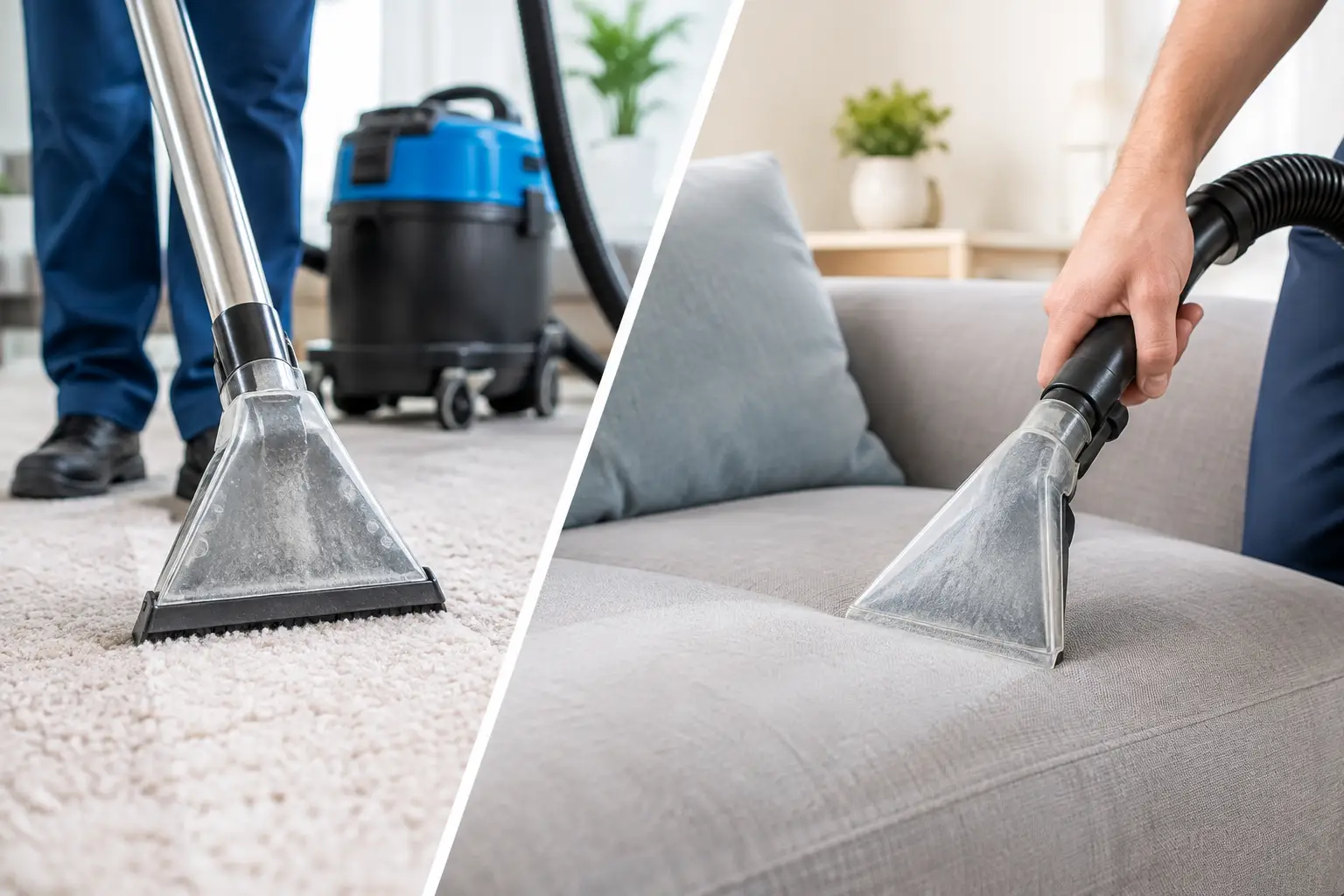
Do not expect a standard maid service to address every situation automatically. For example, post-renovation dust may require a different scope than recurring home cleaning, and severe carpet staining may call for carpet cleaning rather than routine vacuuming. Specialty services can be a better fit when the job involves materials, equipment, or time beyond a typical cleaning visit.
If someone in the home is ill, has a compromised immune system, or is sensitive to cleaning products, communicate that before the appointment. The right adjustments depend on the situation, the requested service, and the products being used.
Set Up Your Home for Efficient Results
Small preparation details can make a noticeable difference. Make sure water and electricity are available, and clear a safe path to the rooms being cleaned. If you have a large home or a specific order in mind, such as cleaning bedrooms before a baby naps, mention it early.
For a move-in or move-out cleaning, remove personal belongings whenever possible. Empty rooms allow for better access to baseboards, cabinets, closets, and floors. For short-term rentals, confirm guest checkout, remove leftover items, and provide a current turnover checklist that identifies linens, restocking expectations, and damage-reporting procedures.
Commercial clients should similarly make workspaces accessible, secure confidential paperwork, and explain building procedures. A clean office or customer-facing space reflects on your business, but the service works best when the cleaner understands traffic patterns, restricted areas, and the schedule that causes the least disruption.
After the Appointment, Build a Better Routine
Take a few minutes to walk through the home after the first visit when possible. If something was missed or a priority needs adjusting, communicate it promptly and respectfully. Good service coordination depends on clear feedback, especially when building a recurring cleaning schedule.
Over time, your preferences become easier to manage. You may decide that weekly service works best for a busy family with pets, while a biweekly schedule is enough for a smaller household. Some clients use recurring service for the basics and schedule deep cleaning, carpet cleaning, or floor care as needed.
At CJ Cleaning Services, LLC, the goal is to make professional cleaning feel organized, dependable, and easy to manage. When you prepare the space without over-preparing yourself, you create the conditions for a cleaner home and more time for the things that matter outside of chores.