


A rental turnover can get expensive fast when small details are missed. Knowing how to reset a rental property between tenants helps protect the condition of the home, shorten vacancy time, and give the next resident confidence that the property has been cared for.
A proper reset is more than a quick sweep and a fresh coat of paint. It is a coordinated process that combines inspection, repairs, cleaning, safety checks, and presentation. Whether you manage one home in Hickory or several units across Catawba County, a consistent turnover routine makes each move easier to manage.
Start With a Detailed Move-Out Inspection
The reset should begin as soon as the former tenant has fully moved out. Walk through the property room by room with the move-in condition report, photos, and any documentation from the prior inspection. This makes it easier to separate ordinary wear from damage that may require repair or follow-up.
Check walls, trim, flooring, doors, cabinets, blinds, light fixtures, appliances, plumbing fixtures, and windows. Open closets, look under sinks, test fans, and note any odors. A clean-looking room can still have a slow leak, a broken outlet cover, or a damaged blind that affects the next tenant’s experience.
Take updated photos before cleaners or maintenance professionals begin work. Clear documentation supports fair deposit decisions and gives you a reliable record of the property’s condition. If you use a property manager, make sure everyone follows the same inspection standard so no details get lost between teams.
Handle Repairs Before the Final Cleaning
Cleaning should be one of the last major steps, not the first. Schedule maintenance work before the final turnover clean whenever possible. Contractors may leave dust, footprints, drywall debris, or packaging behind, and cleaning too early can mean paying to clean the same space twice.
Prioritize repairs that affect safety, function, and livability. Leaking faucets, loose railings, damaged locks, exposed wiring, malfunctioning smoke detectors, and broken appliances should be addressed right away. Then move to cosmetic needs such as nail holes, scuffed walls, cracked switch plates, worn caulk, and damaged cabinet hardware.
Paint is often part of the reset, but it does not always need to mean repainting every room. Spot touch-ups may be enough when the finish and color match. A full repaint is usually the better choice when walls are heavily marked, odors have settled into the space, or touch-ups would look uneven. Neutral, durable colors can make future turnovers faster and help the property feel brighter for showings.
Do Not Skip Safety and Access Checks
Before a new tenant receives keys, test smoke alarms and carbon monoxide alarms where applicable. Replace batteries as needed, check exterior lighting, confirm that door and window locks operate correctly, and inspect handrails and steps. Verify that the HVAC system is working and replace the air filter.
Access control matters, too. Rekey locks or change codes according to your property policy. Collect garage remotes, mailbox keys, pool passes, parking permits, and any other access items from the previous tenant. A clean home does not feel secure if the incoming resident is unsure who may still have a key.
How to Reset a Rental Property With a Deep Clean
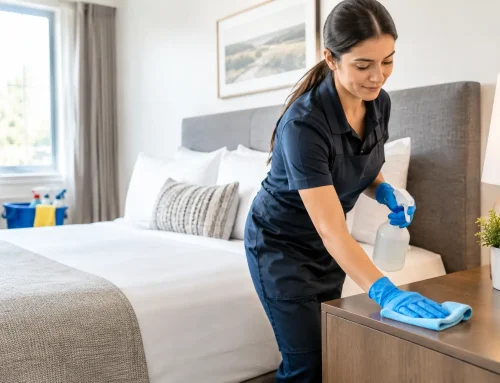
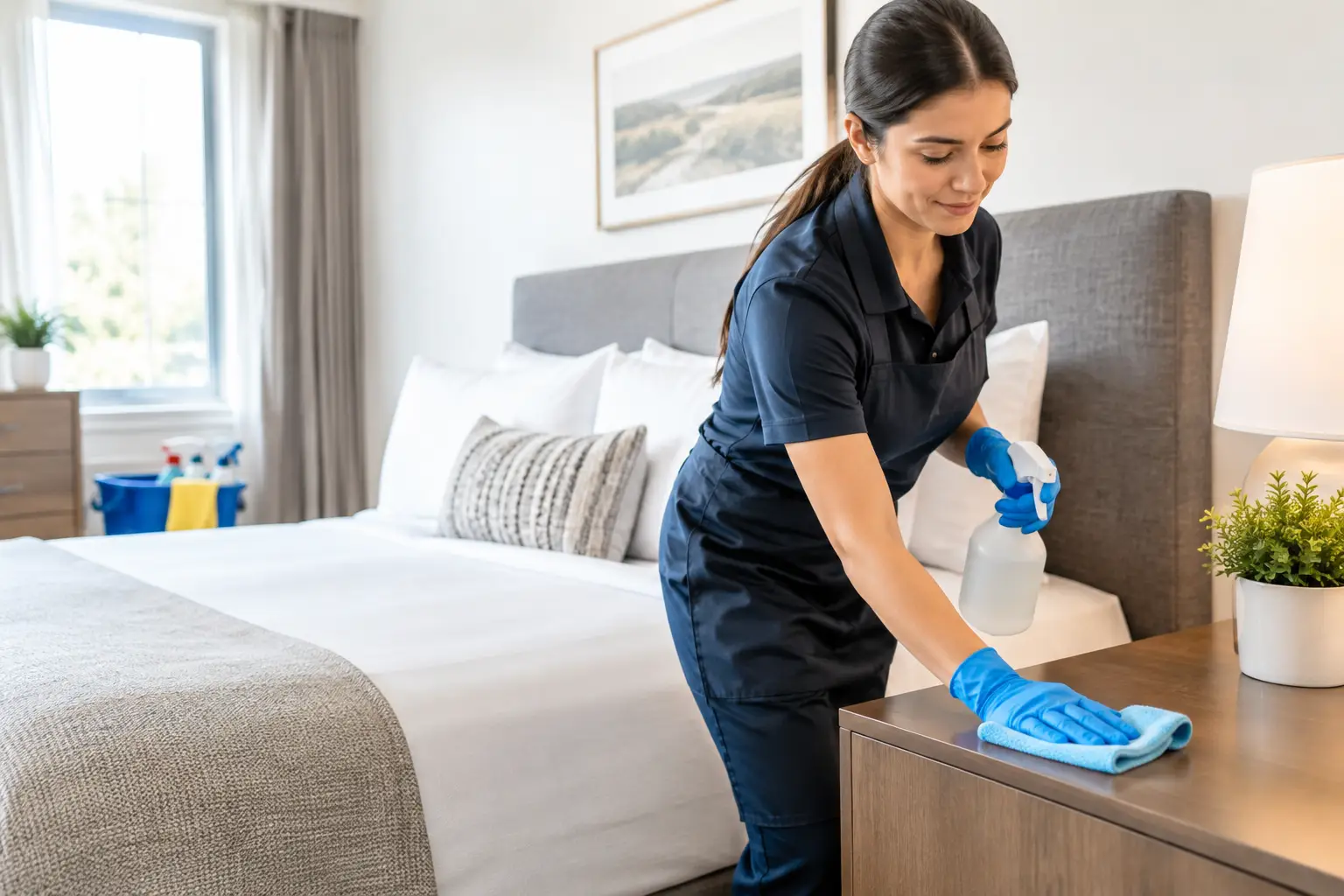
Once repairs, painting, and maintenance work are complete, the property needs a true move-out cleaning. This is the stage that turns an empty unit into a welcoming home. Renters notice details, especially in kitchens, bathrooms, and on floors.
A quality turnover clean should cover more than visible surfaces. Kitchen cleaning should include the inside and outside of cabinets and drawers, countertops, backsplash, sinks, appliance exteriors, and the interior of the refrigerator, oven, microwave, and dishwasher. Grease around range hoods and buildup in ovens are common signs that a rental was not fully reset.
In bathrooms, focus on soap residue, hard-water spots, toilet bases, tub and shower walls, grout, vents, mirrors, and cabinet interiors. Replace missing stoppers, tighten loose toilet seats, and address mildew rather than trying to cover it with fragrance. Clean, dry bathrooms signal that the property is ready for immediate use.
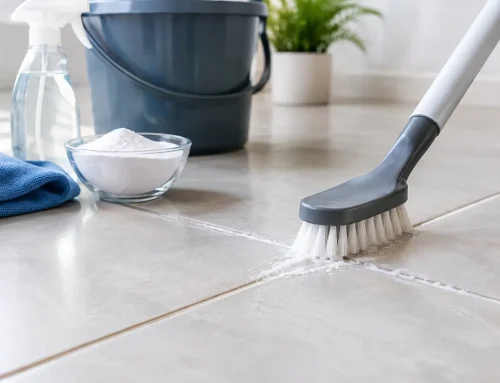
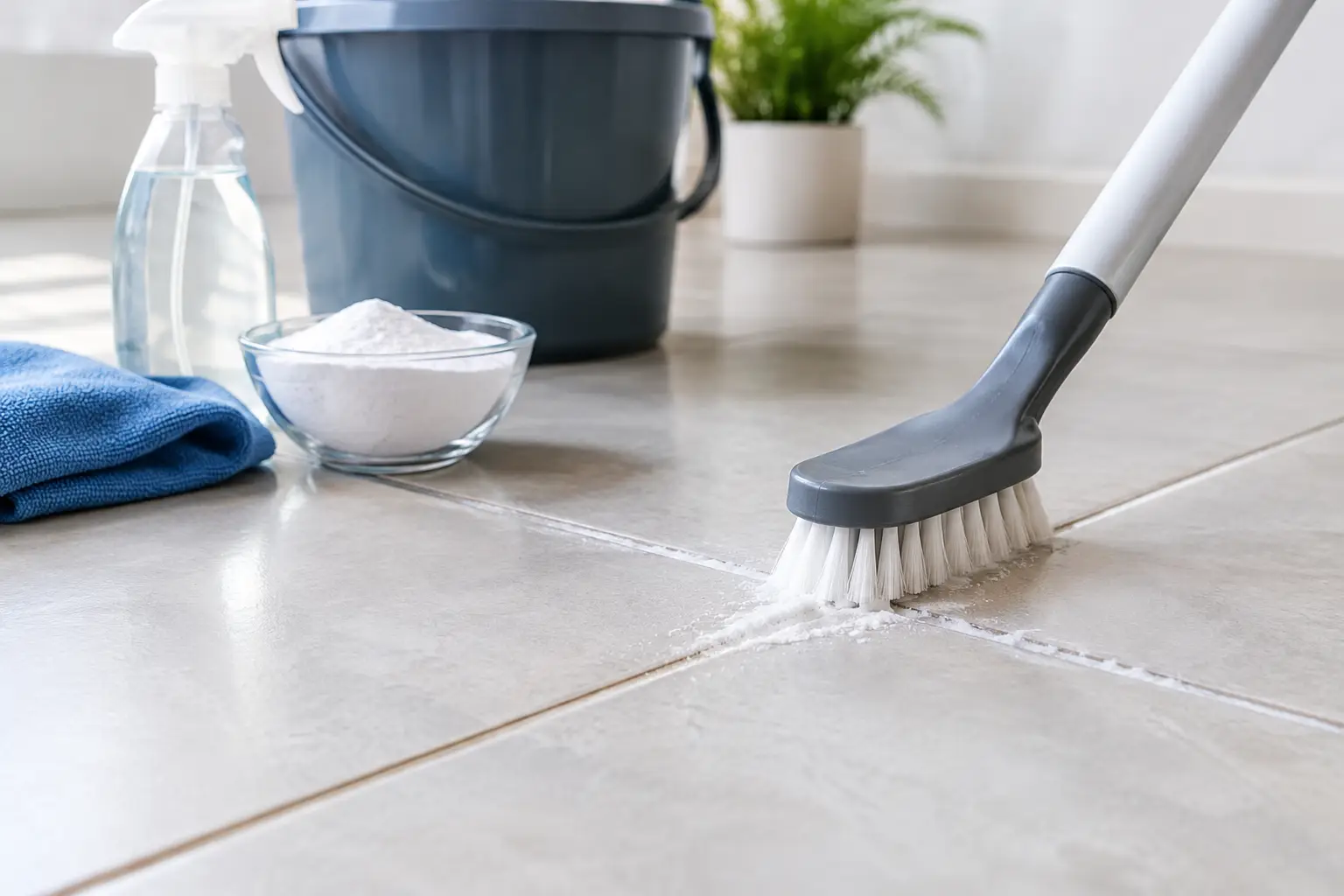
Floors need special attention because they carry the most visible evidence of prior occupancy. Vacuum carpet edges and closets, treat stains, and schedule professional carpet cleaning when the condition calls for it. Hard surfaces should be cleaned according to the material, then inspected for scratches, dull finish, stuck-on residue, and dirty grout lines. In some cases, floor revitalizing, tile and grout cleaning, or strip-and-wax service may be more cost-effective than replacement.
Do not overlook baseboards, ceiling fans, vents, light fixtures, blinds, windowsills, door frames, closets, and interior doors. These are the details that can make an otherwise clean unit feel unfinished. Odor control should be part of the process as well. Identify the source of pet, smoke, cooking, or moisture odors before using deodorizing products. Covering an odor temporarily rarely works once the home is closed up again.
Restock, Stage, and Check the Small Details
A reset is not always about furnishing or decorating the property. For most long-term rentals, a clean, empty space is best. Still, a few practical finishing touches make the turnover feel organized and professional.
Replace burned-out bulbs with matching bulbs, install fresh HVAC filters, and make sure batteries are present in required detectors. Remove leftover cleaning products, mail, trash, and personal items. Confirm that appliances are empty, shelves are wiped down, and outdoor areas are free of debris.
If the rental includes a mailbox, storage area, garage, patio, or yard responsibilities, inspect those spaces before listing the property. Cut back overgrown landscaping, remove cobwebs from entryways, and make sure exterior walkways are presentable. The front door and entry set the expectation for the rest of the home.
For furnished rentals, corporate housing, and short-term rentals, the reset has a few additional requirements. Linens, towels, consumables, kitchen inventory, Wi-Fi information, and guest instructions should all be checked before the next arrival. These properties often need a faster turnaround, but speed should not come at the expense of inspection and quality control.
Create a Repeatable Turnover Schedule
The best rental reset process is one you can repeat without scrambling. Start by working backward from the new tenant’s move-in date. Leave enough time for repair estimates, vendor scheduling, cleaning, final inspection, and unexpected delays.
A simple system may include a move-out inspection on day one, repairs and paint over the next few days, final cleaning after all work is complete, and a last walkthrough before keys are released. The exact timeline depends on the property’s condition, the availability of vendors, and whether you are turning over a single-family home, apartment, or vacation rental.
Keep a standard checklist, but allow room for property-specific needs. A unit with pets may need more odor treatment and carpet attention. An older home may require closer checks around plumbing, caulk, and windows. A recently renovated rental may need post-construction dust removal before it is ready for tenants.
Professional help can make the process more predictable, especially when you are balancing work, multiple properties, or a tight move-in date. CJ Cleaning Services can coordinate trusted cleaning support for move-in, move-out, deep cleaning, carpet care, and other turnover needs in local North Carolina communities.
Before you hand over the keys, complete one final walkthrough as if you were the incoming tenant. Turn on lights, open cabinets, run faucets, check the refrigerator, and stand at the entryway for a first impression. A rental property reset is complete when the home feels clean, functional, secure, and ready for someone to make it their own.