
A clean office can look polished at 8 a.m. and still fall short where it matters most by noon. Door handles, break room counters, restroom fixtures, shared keyboards, and reception surfaces collect frequent contact throughout the day. This office sanitation example shows what a practical routine can look like when your goal is to support a healthier, more professional workplace without disrupting the workday.
Sanitation is not simply a quick wipe-down of visible dirt. It is a planned process for reducing germs on high-touch surfaces after they have been cleaned. The right routine depends on your building layout, employee count, visitor traffic, industry, and schedule. A quiet office with ten employees needs a different level of attention than a medical office, school administration building, or customer-facing business.
A Practical Office Sanitation Example
Consider a 12,000-square-foot professional office with approximately 35 employees, a reception area, several private offices, two conference rooms, a break room, and four restrooms. The office receives clients during standard business hours and wants cleaning completed after employees leave.
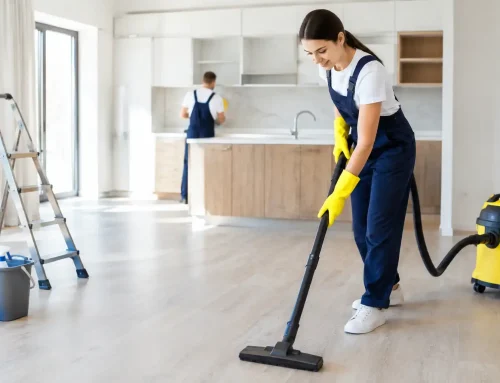
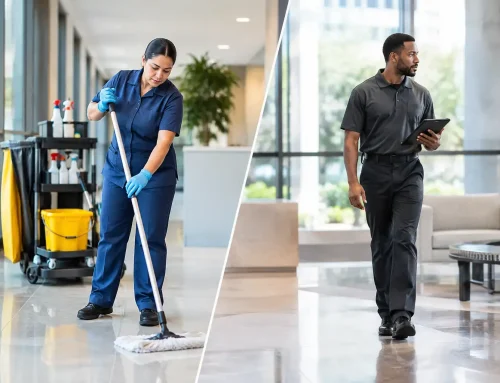
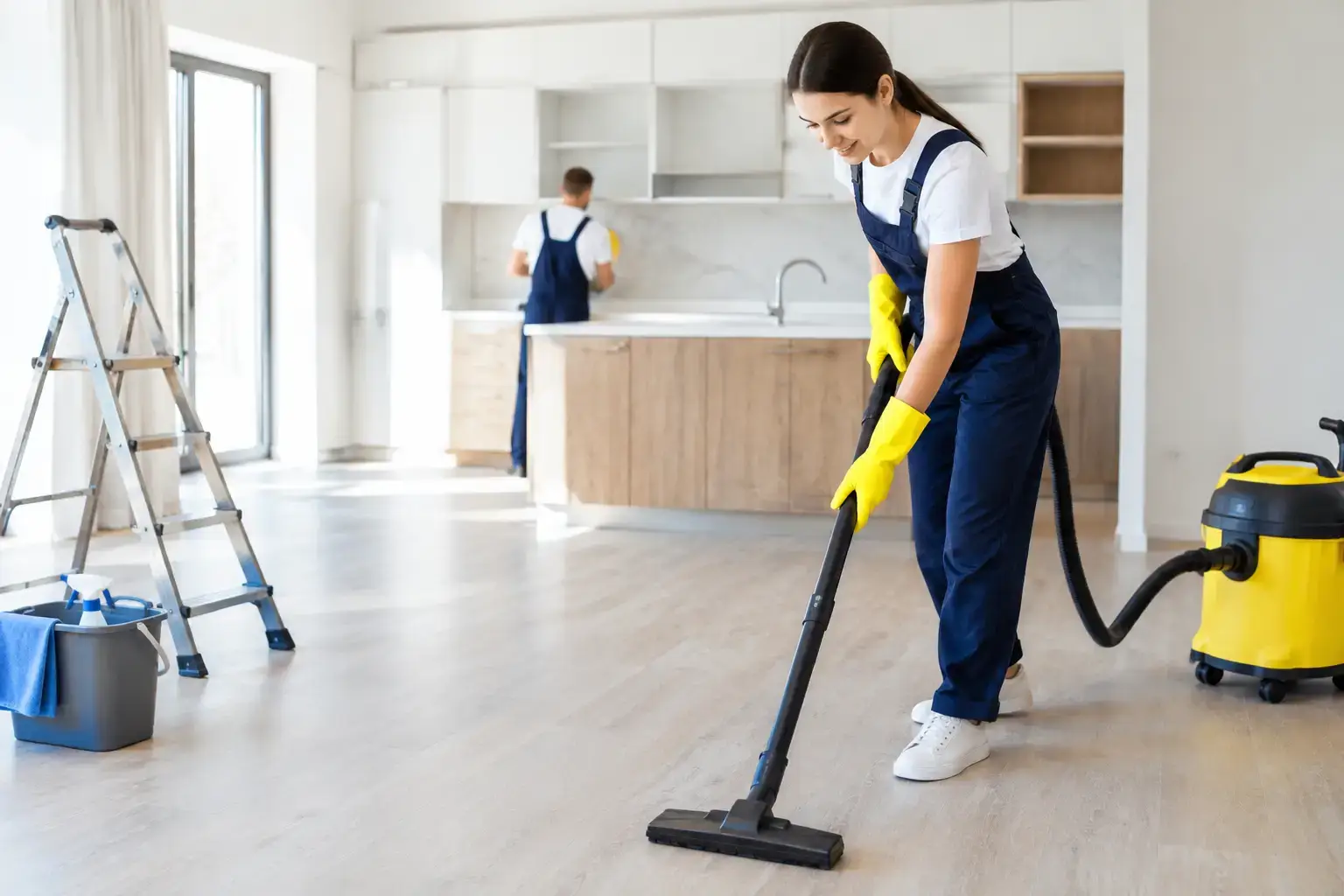
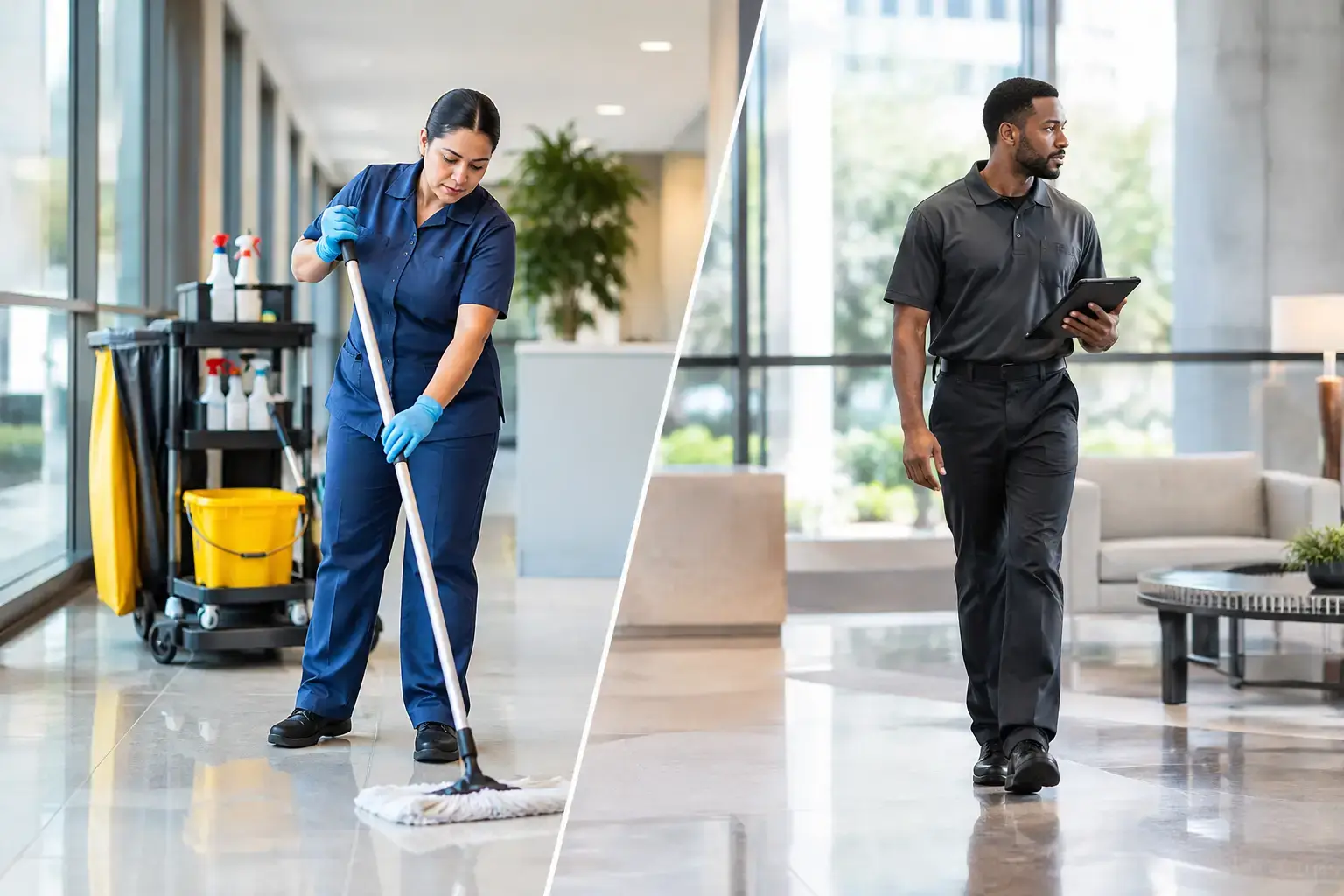
The sanitation plan begins with regular janitorial service five evenings per week. A trained cleaning team starts by removing trash and recycling, then cleans restrooms and break room areas before sanitizing high-touch points throughout the building. This order helps keep dirty materials from being carried into areas that have already been serviced.
In the restrooms, the team cleans and sanitizes toilets, urinals, sinks, faucet handles, flush handles, dispensers, door hardware, and stall latches. Floors are cleaned after fixtures and surfaces are addressed. Restrooms are also restocked with soap, paper products, and other agreed-upon supplies so employees and guests are not greeted by an empty dispenser the next morning.
In the break room, the focus includes counters, tables, cabinet pulls, refrigerator handles, microwave buttons, coffee station surfaces, sinks, faucet handles, and chair backs. Food residue is cleaned before sanitizer is applied. This matters because sanitation products work best on a clean surface, not one covered with spills, crumbs, or grease.
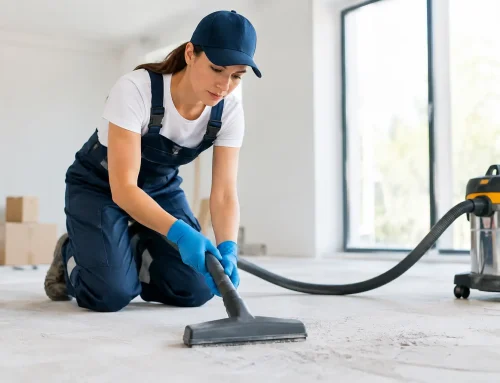
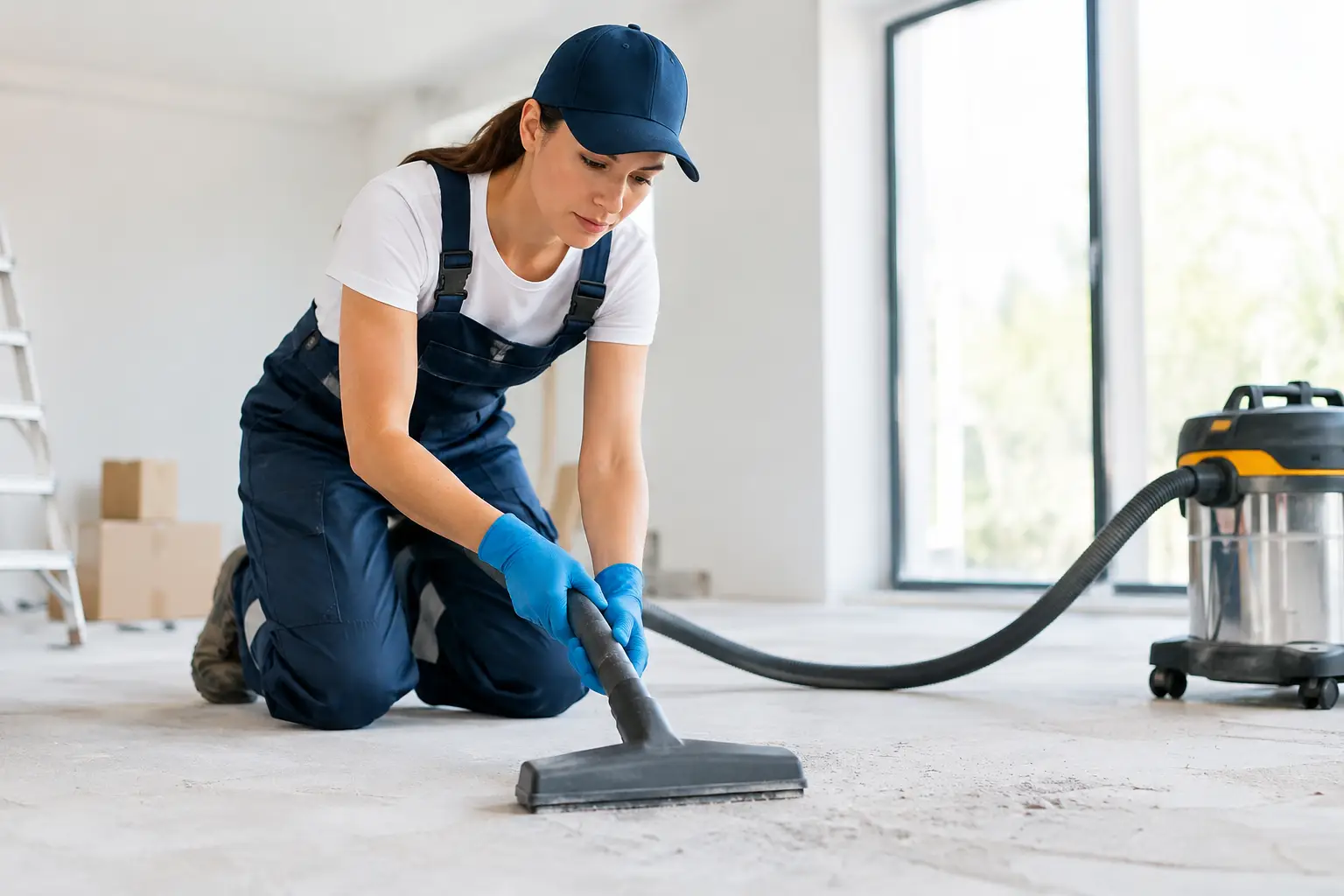
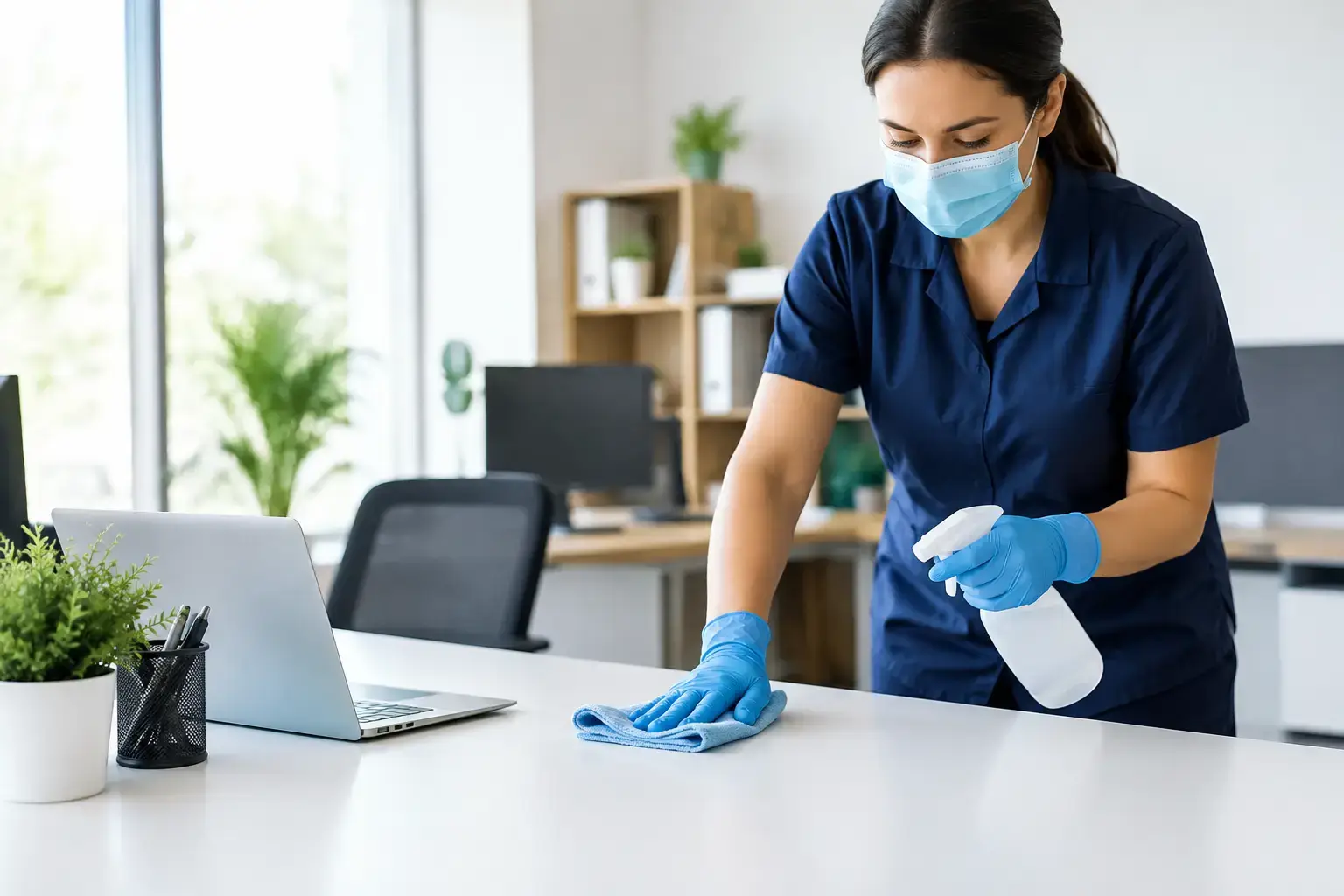
Reception and shared work areas receive close attention because they often have the highest traffic. The routine includes sanitizing door handles, elevator buttons where applicable, light switches, reception counters, shared phones, conference room tables, chair arms, and commonly used equipment. Floors are vacuumed or mopped based on the surface type and level of foot traffic.
Private desks require a clear agreement. Many offices prefer cleaners to sanitize only designated shared surfaces in individual offices, while employees manage personal items, paperwork, and computer equipment. Others request careful cleaning of desk surfaces after employees clear them. A dependable provider will follow the office’s preference rather than making assumptions around confidential documents or sensitive electronics.
What the Daily Routine Should Cover
A daily sanitation routine should concentrate on surfaces touched by many hands. These areas are easy to overlook because they may not appear dirty, yet they can affect how safe and cared for a workplace feels.
For the office in this example, the daily service includes:
- Entry door handles, push plates, light switches, and commonly used handrails
- Restroom fixtures, dispensers, stall hardware, and high-contact surfaces
- Break room counters, appliance handles, tables, sinks, and faucet handles
- Reception counters, shared phones, conference room tables, and shared equipment
- Trash removal, vacuuming, floor care, and restocking of agreed-upon supplies
The cleaning team should use products appropriate for the surface and follow the manufacturer’s directions, including required dwell time. Dwell time is the period a sanitizer needs to remain visibly wet on a surface to work as intended. Spraying and immediately wiping may look efficient, but it may not deliver the sanitation result the office expects.
Color-coded microfiber cloths and dedicated restroom tools can also help prevent cross-contamination. For example, cloths used in restrooms should never be used on break room tables or reception counters. This is a simple operational detail, but it reflects whether a cleaning process is truly organized.
Weekly and Monthly Sanitation Needs
Daily sanitation handles the immediate touchpoints. Weekly and monthly tasks help prevent the slow buildup that makes an office feel neglected and can shorten the life of its finishes.
Each week, the office may need deeper attention on baseboards, interior glass, chair legs, cabinet fronts, vents, conference room details, and areas behind or beneath movable furniture. Upholstered seating and entry mats may need vacuuming beyond the usual floor service. Hard surface floors should be reviewed for scuffs, dullness, and soil buildup, especially in entranceways and break rooms.
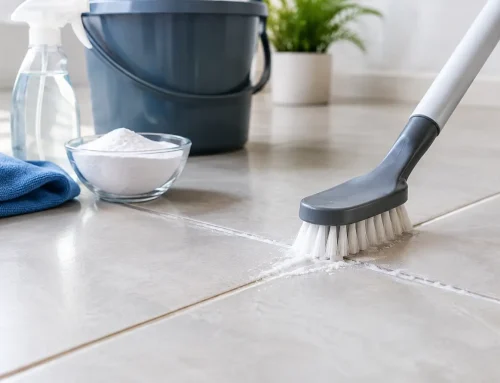
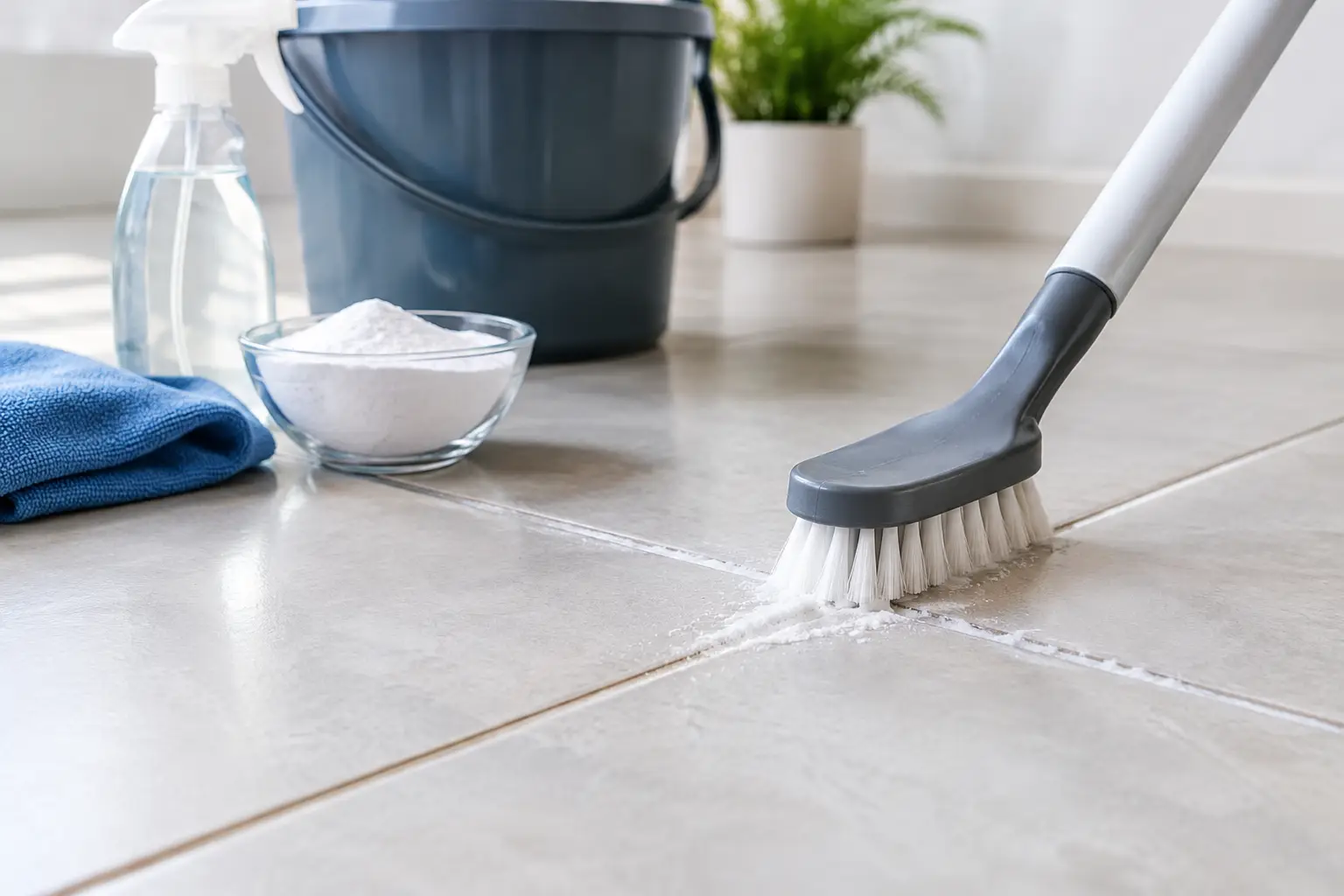
Monthly needs vary more widely. A facility with vinyl composition tile may benefit from periodic floor maintenance and, when appropriate, strip and wax service to restore appearance and protect the surface. Carpeted offices may require scheduled carpet cleaning in high-traffic corridors, waiting rooms, and entry areas. Tile and grout in restrooms and break rooms often need focused cleaning before discoloration becomes harder to remove.
Frequency should be based on conditions, not a one-size-fits-all calendar. A law office with low visitor traffic may need a lighter deep-cleaning schedule than a busy healthcare or public-facing facility. Seasonal rain, construction nearby, flu season, special events, and a growing staff can all change the level of service required.
Sanitation Is Different From Cleaning and Disinfecting
These terms are often used interchangeably, but they are not the same. Cleaning removes visible soil, dust, and residue. Sanitizing reduces the number of certain bacteria on a surface to a safer level. Disinfecting uses an approved product to kill or inactivate a broader range of germs when used according to directions.
For most general offices, a consistent cleaning and sanitation plan is the foundation. Disinfection may be requested for specific areas, higher-risk environments, illness-related situations, or facilities with stricter operational requirements. A medical office, school, or facility with vulnerable visitors may need more detailed protocols than a standard administrative office.
The best approach is to explain your facility’s use, traffic patterns, and concerns before service begins. That allows the cleaning plan to match the building rather than relying on vague promises of a “deep clean.” Clear scope protects everyone: the business knows what will be handled, and the cleaning team knows where attention is most needed.
How to Make the Plan Work After Hours
After-hours service is often the best fit for offices because cleaners can work thoroughly without interrupting calls, meetings, customers, or staff. It also means employees return to refreshed restrooms, emptied trash, clean floors, and sanitary shared spaces at the start of the next business day.
Still, access and communication need to be planned. Decide who provides keys, codes, or alarm instructions, and identify any rooms that are off-limits. Let the cleaning provider know about sensitive records, server rooms, special flooring, or areas with unusual traffic. A simple point of contact makes it easier to report supply shortages, building issues, or changes in schedule before they become problems.
Quality checks matter as much as the written checklist. A reliable janitorial partner should be responsive when a concern comes up and willing to adjust the plan as your office changes. If a conference room begins hosting more client meetings, for example, it may need more frequent attention than it did six months ago.
For offices in Newton, Hickory, Conover, and nearby Catawba County communities, CJ Cleaning Services can build a sanitation plan around your hours, facility type, and daily priorities. The goal is not to add unnecessary tasks. It is to provide the consistent care that helps your employees focus, gives visitors confidence, and keeps your workplace ready for business.
A well-run office sanitation plan should feel almost invisible: doors are clean to the touch, restrooms are stocked, shared areas are ready, and no one has to wonder who is handling the details. That quiet consistency is what turns cleaning service into dependable workplace support.