

A late checkout, a same-day arrival, and one missed detail on the bathroom mirror can turn a 5-star stay into a complaint. That is why the best Airbnb cleaning checklist is not just a nice extra for short-term rental hosts. It is part of protecting your reviews, your schedule, and your property.
For hosts in busy North Carolina markets and growing local communities, turnover cleaning needs to be fast, consistent, and easy to repeat. A solid checklist helps you avoid rushed decisions, train helpers more clearly, and make sure every guest walks into a space that feels fresh, cared for, and ready to use.
What makes the best Airbnb cleaning checklist work
A useful checklist does two jobs at once. First, it covers cleaning in the obvious places like kitchens, bathrooms, floors, and linens. Second, it keeps your turnover process organized so nothing gets skipped when time is tight.
The best checklists are practical, not overloaded. If the list is too long, people stop following it. If it is too vague, quality slips. The right balance is a room-by-room process with a final reset step for staging, supplies, and damage checks.
It also needs to reflect the type of property you manage. A one-bedroom apartment has very different turnover needs than a larger home that sleeps eight. A pet-friendly rental, family-focused home, or higher-end listing will each need a few custom items. That is where a standard checklist helps, but flexibility matters too.
Best Airbnb cleaning checklist by area
Entry and main living spaces
Start where guests start. First impressions shape how clean the whole property feels, even if the rest of the home is spotless.
Wipe the front door, door handle, keypad, light switches, and any entry table or console. Shake out or vacuum entry rugs. Remove cobwebs around the doorway and corners. If your listing has glass in or around the entrance, check for fingerprints and streaks.
In the living room, dust all reachable surfaces, including shelves, lamps, side tables, window sills, and baseboards if needed. Vacuum sofas and chairs, especially under cushions where crumbs and hair collect fast. Straighten pillows and throws so the room looks intentional, not just cleaned.
Remote controls, thermostats, lamp switches, and other touchpoints should be sanitized every turnover. Finish by vacuuming or mopping floors and checking under furniture for forgotten items.
Kitchen cleaning and reset
Guests notice kitchen cleanliness quickly, especially if they plan to cook. Even a small issue like grease on the microwave handle or crumbs in a drawer can make the whole property feel neglected.
Clean and sanitize countertops, backsplashes, cabinet pulls, and all appliance exteriors. Wipe out the microwave, check the refrigerator for leftover food, and inspect shelves and bins for spills. The stovetop should be grease-free, and the sink should be scrubbed and polished.
Open cabinets and drawers briefly to confirm dishes, utensils, and cookware are clean and put back neatly. If your rental supplies coffee, tea, filters, paper towels, dish soap, or dishwasher pods, restock them now instead of at the end. It saves time and reduces missed items.
Take out trash and replace liners. Then do one final visual scan. A clean kitchen should look uncluttered, stocked, and easy for the next guest to use right away.
Bathroom turnover standards
Bathrooms are where guests judge cleanliness most harshly. They do not expect perfection in every corner of a home, but they do expect a bathroom to feel fully sanitized and fresh.
Scrub and disinfect the toilet, sink, faucet, vanity, tub, and shower walls. Polish mirrors until they are streak-free. Pay close attention to hair around drains, corners, and baseboards because guests spot that immediately.
Replace used towels with fresh ones and check that bath mats are clean and dry. Refill toilet paper, hand soap, and any guest toiletries you provide. Empty the trash, disinfect the can lid if needed, and add a fresh liner.
If you have glass shower doors, hard water spots may need extra care. This is one of those details that separates a basic turnover from a professional-looking one.
Bedrooms and linen care
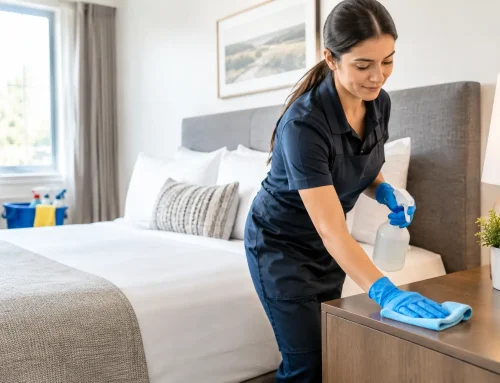
Bedrooms need to feel calm, clean, and fully reset. Strip all used linens, including sheets, pillowcases, duvet covers, and any mattress protectors that need laundering.
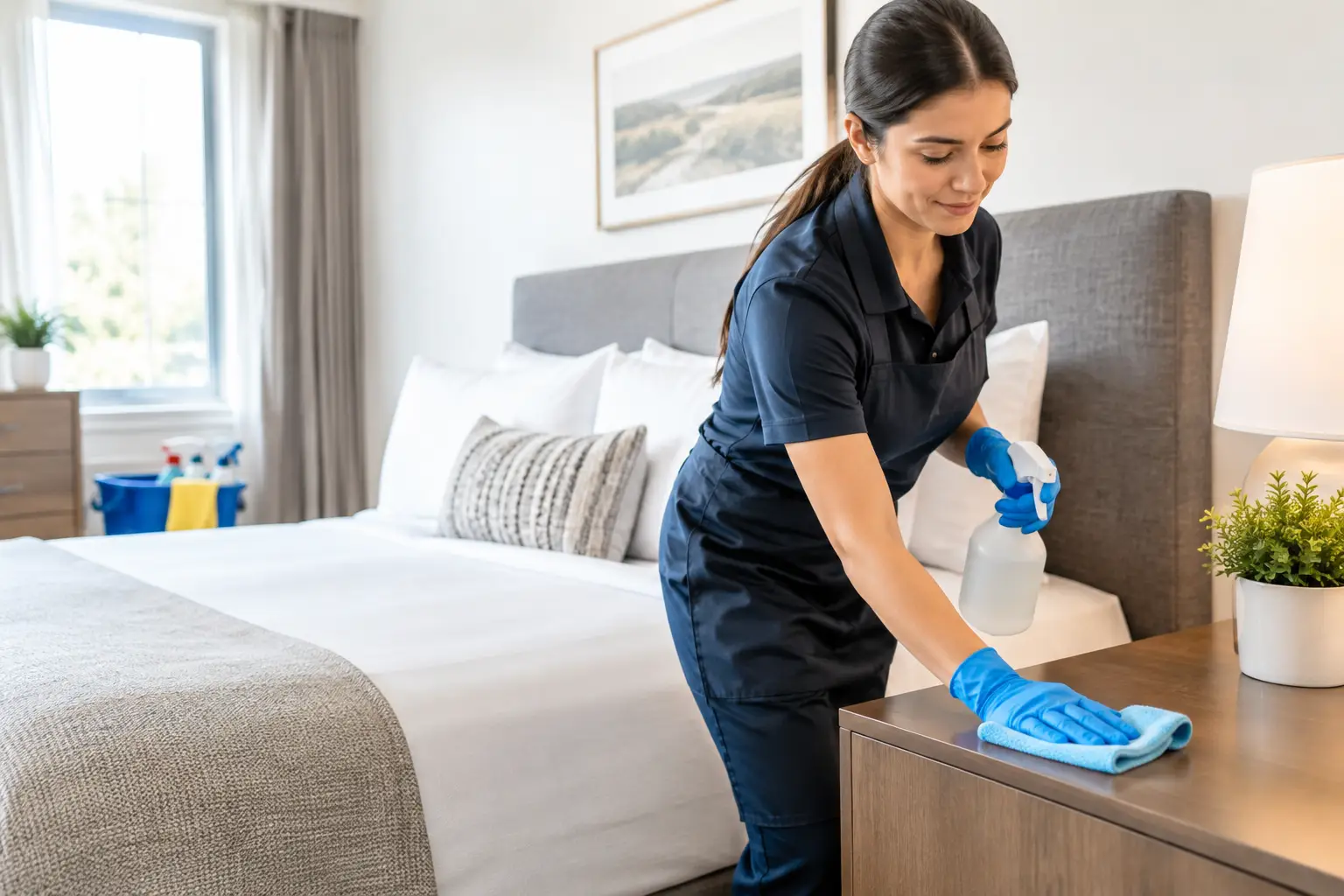
Before making the bed, inspect the mattress and pillows for stains, odors, or damage. Dust nightstands, lamps, headboards, blinds, and nearby baseboards. Check under the bed for trash or lost belongings. If there is a closet, make sure hangers are neat and the floor is clean.
Use fresh, fully dried linens and make the bed neatly. Wrinkled sheets or rushed bed-making can make an otherwise clean room feel unfinished. If your listing has decorative pillows or blankets, keep them clean and arranged the same way each time so the room has a consistent presentation.
Floors, windows, and overlooked surfaces
Floors carry the story of the last stay. Sand, pet hair, crumbs, and dust build up fast, especially in high-turnover rentals.
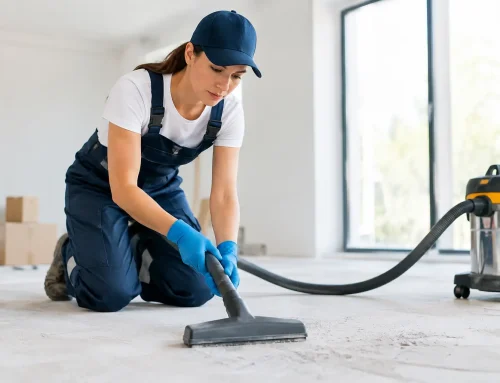
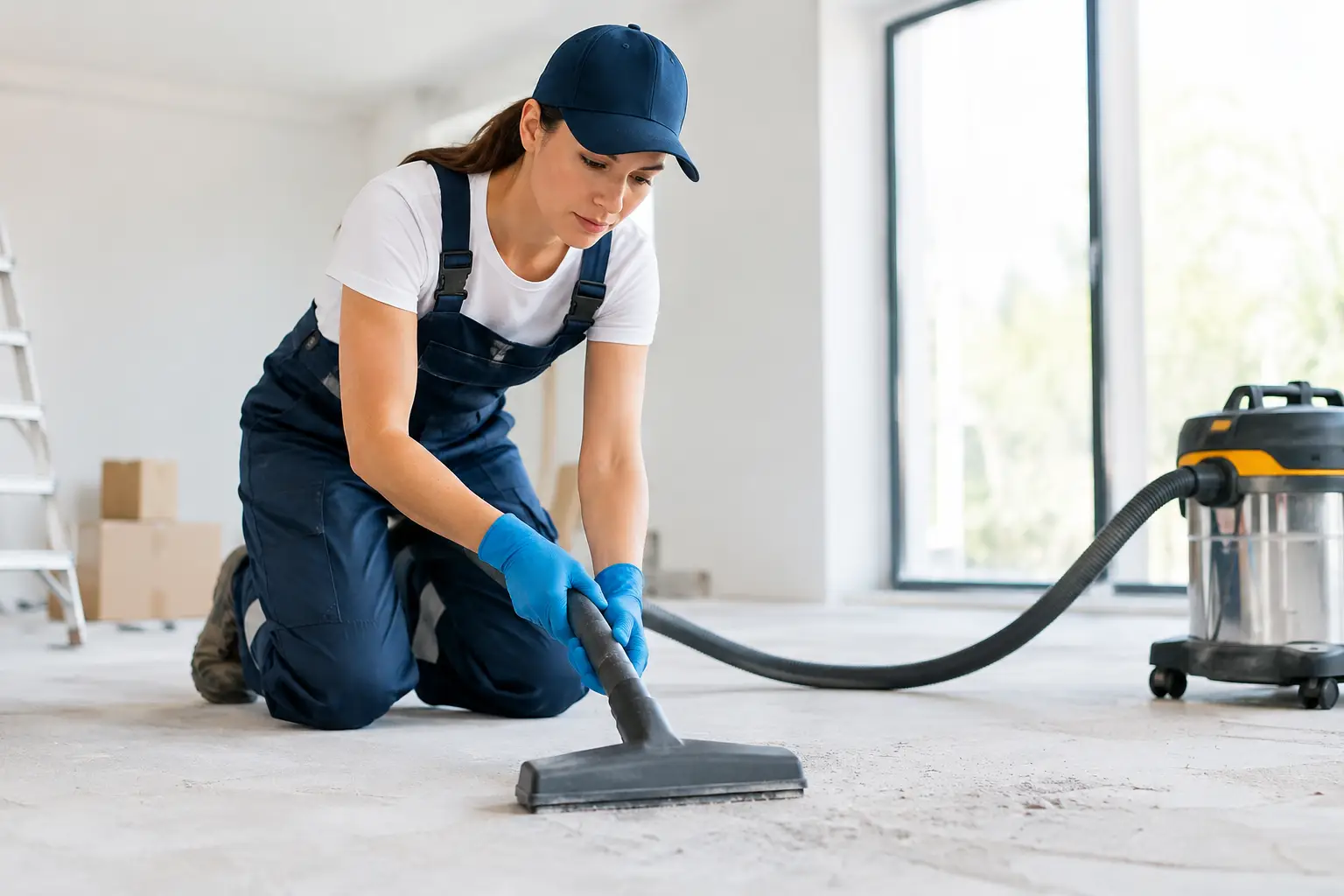
Vacuum carpets thoroughly, including edges and under beds where possible. Sweep and mop hard floors with attention to corners and under tables. Spot-clean scuffs on walls, doors, and trim if they stand out.
Check windows and mirrors for smudges. Dust ceiling fan blades, air vents, and blinds on a regular schedule, even if not every single turnover. Some tasks are better handled weekly or monthly depending on booking volume, but they still need a place in your overall cleaning system.
Don’t skip the final guest-ready check
The best Airbnb cleaning checklist should end with a walk-through, not the last spray bottle. Cleaning and staging are not exactly the same thing.
Once the property is cleaned, turn on lights, open blinds if that fits your setup, and make sure the temperature feels comfortable. Check that Wi-Fi instructions, house information, and welcome materials are where they should be. Confirm that supplies are stocked, furniture is straight, and the space smells neutral and clean.
This is also the moment to spot damage, missing items, or maintenance issues. Burned-out bulbs, a slow drain, a loose toilet paper holder, or a stained cushion may not stop a check-in, but they can affect the guest experience and your review score. It is easier to catch those problems during the final walk-through than after a complaint comes in.
When a checklist needs deeper cleaning tasks
Not every turnover needs the same level of work. That is one reason hosts get frustrated. A checklist can create consistency, but some stays create more wear than others.
A one-night business traveler may leave very little behind. A weekend family booking, pet stay, or group reservation often means extra laundry, more trash, spills, fingerprints, and heavier bathroom use. After a certain point, your regular turnover list needs support from periodic deep cleaning.
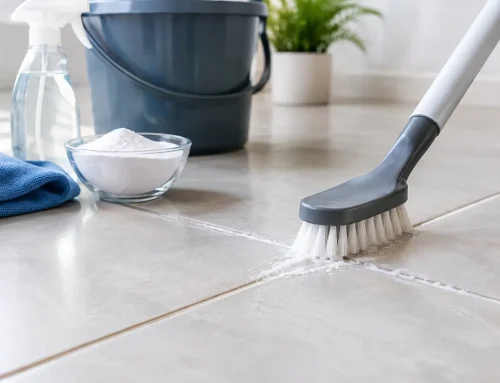
That deeper service may include inside ovens, inside refrigerators, baseboard detailing, grout scrubbing, upholstery cleaning, spot treatment for carpets, or cleaning behind furniture. If you rely only on turnover cleaning, the property can slowly look more worn even when it is technically clean.
Should hosts use a DIY checklist or hire help?
It depends on your schedule, booking volume, and standards. If you manage one property and live nearby, you may be able to handle cleanings yourself with a strong checklist and enough turnaround time.
But when bookings increase, same-day turnovers become common, or you manage multiple units, self-managing every clean can become the biggest stress point in hosting. That is usually when hosts start looking for a dependable cleaning partner who can follow a repeatable process and show up on schedule.
For many local hosts, that reliability matters as much as the cleaning itself. A missed turnover or rushed job can cost far more than the cleaning fee. Working with vetted professionals helps reduce that risk, especially when your calendar is full and guest expectations are high. In areas like Hickory, Newton, Maiden, Lincolnton, Mooresville, and nearby communities, having a dependable turnover system can make hosting much easier to manage.
How to build your own best Airbnb cleaning checklist
Start with the basics of every room, then add the details specific to your property. Think about what your guests use most, what they comment on most, and what tends to get missed. Build the checklist in the same order the cleaner moves through the home so it feels natural to follow.
Keep it simple enough to use under time pressure. A checklist only helps if it gets completed every time. You may also want separate sections for turnover cleaning, supply restocking, laundry, and maintenance reporting. That gives you a cleaner record of what was done and what still needs attention.
If you work with a cleaning service or referral agency, a clear checklist also improves communication. Expectations are easier to meet when they are written down, consistent, and tailored to the property.
A clean rental does more than look good in photos. It builds trust the moment a guest opens the door, and that trust is what keeps good reviews coming back.