

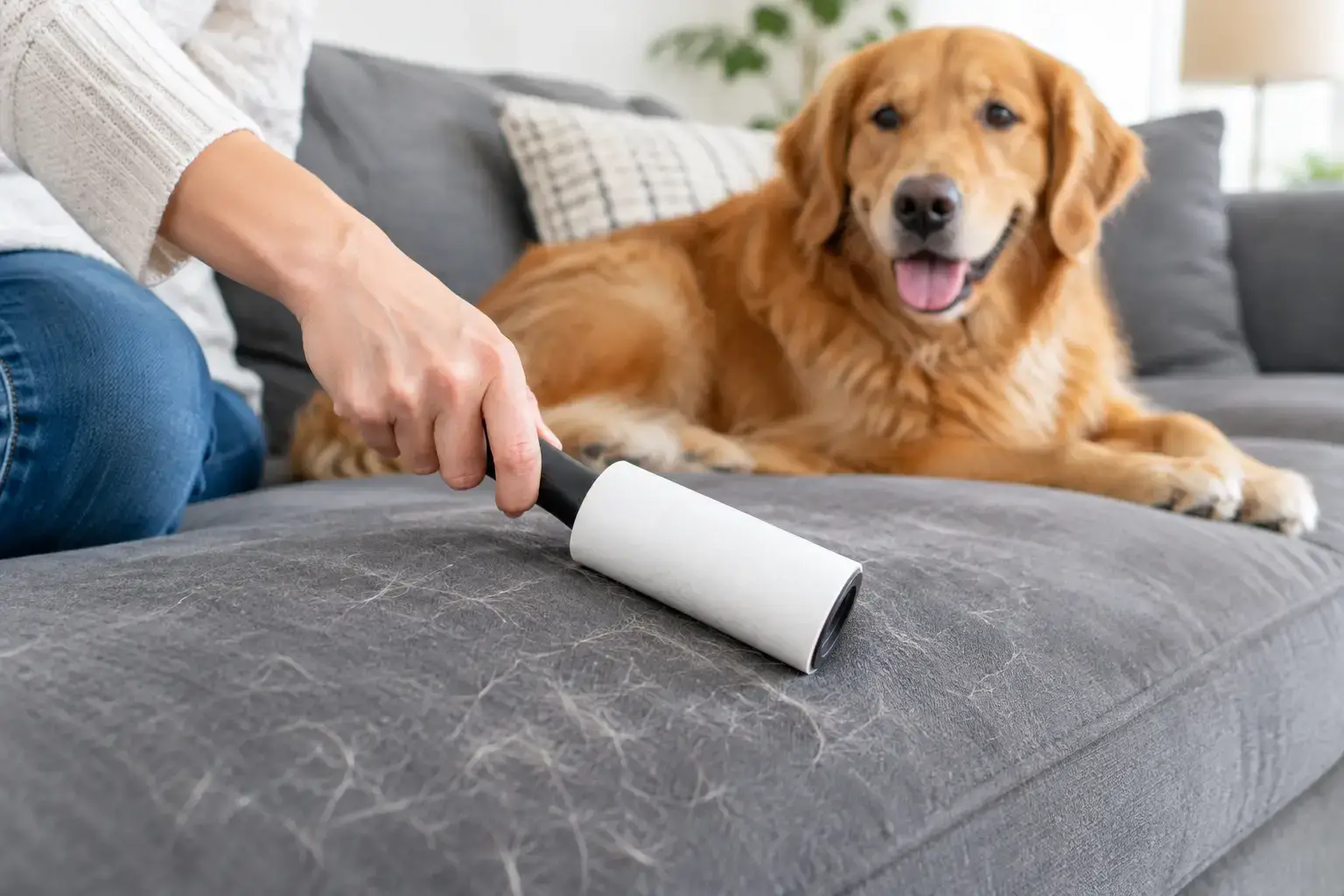
Pet hair has a way of settling into the places people notice most: the sofa cushions, dining chairs, upholstered headboard, and favorite recliner. To remove pet hair from upholstery effectively, it helps to treat it as more than a quick surface-cleaning task. Hair can weave into fabric, collect along seams, and hold onto dander, dust, and odors that affect how a room looks and feels.
For busy households, rental properties, and workplaces with upholstered seating, the best approach depends on the fabric, the amount of buildup, and whether stains or odors are part of the problem. A few careful habits can keep hair manageable between cleanings, while professional upholstery cleaning can make sense when the furniture needs a deeper refresh.
Why Pet Hair Clings to Upholstery
Pet hair is lightweight, but static electricity and fabric texture make it surprisingly difficult to remove. Loose-weave materials, velvet-like fabrics, microfiber, and textured upholstery tend to catch hair below the surface. Long hair may wrap around fibers, while short, stiff hair can work its way into cushion seams and corners.
Hair also rarely arrives alone. Pets bring in outdoor dust, pollen, skin oils, and occasional mud. Over time, these soils can leave upholstery looking dull or feeling rough, even after the visible hair is gone. That is why vacuuming alone is often helpful but not always enough.
Before cleaning, check the furniture manufacturer’s care tag. Upholstery codes can indicate whether water-based cleaning, solvent-based cleaning, or vacuuming only is recommended. When the tag is missing or the fabric is delicate, test any method in a small hidden area first. A well-intended cleaning shortcut can leave water rings, color changes, or fabric damage.
How to Remove Pet Hair From Upholstery Between Deep Cleanings
Start with a thorough vacuum using an upholstery tool or a brush attachment designed for fabric. Work slowly in overlapping passes, then vacuum in a second direction. This lifts hair from different angles rather than pressing it further into the material. Pay close attention to cushion edges, piping, tufted buttons, armrests, and the gap between the seat and back cushions.
For hair that remains after vacuuming, a slightly damp rubber glove can be useful on many durable fabrics. Put on the glove, lightly dampen it, and move your hand across the upholstery in one direction. The hair will often gather into small clumps that are easier to pick up. The glove should be damp, not dripping. Too much moisture is unnecessary and can create problems for certain fabrics or cushion fillings.
A dry rubber squeegee can work similarly on broad, flat upholstery surfaces. Use light pressure and short strokes. If the fabric starts to pull, snag, or develop a rough appearance, stop and switch methods. Furniture should look better after cleaning, not worn down by aggressive rubbing.
Lint rollers are convenient for quick touch-ups on throw pillows, chair backs, and smaller upholstered pieces. They are less practical for an entire sectional, and adhesive sheets can become wasteful during heavy shedding seasons. Reusable fabric brushes may be a better choice for regular maintenance, especially in homes with more than one pet.
Avoid using strong tape directly on delicate upholstery, loose weaves, aging fabric, or leather. It may lift fibers, leave adhesive behind, or damage the surface. A standard clothing brush or vacuum attachment is usually the safer option when you are unsure.
Match the Method to the Fabric
Microfiber furniture is popular with pet owners because it is durable and often easier to maintain than heavily textured materials. Vacuum gently with the upholstery attachment, then use a dry brush or barely damp rubber glove to gather remaining hair. Brush in the direction of the fabric’s nap to help preserve an even appearance.
For woven fabrics, use a vacuum first and avoid hard scraping tools. Woven fibers can snag, particularly along seams and decorative stitching. If hair is embedded deeply, repeated gentle passes are safer than trying to remove everything in one forceful attempt.
Velvet, chenille, and other delicate fabrics require extra care. These materials can show pressure marks and changes in pile direction. A soft upholstery brush and low-suction vacuuming are typically better than rubber tools or tape. If the piece is valuable, antique, or especially delicate, professional assessment is the safer path.
Leather and faux leather do not hold hair in the same way as fabric, but it can collect in creases and around cushion edges. A soft microfiber cloth or vacuum crevice tool is usually enough. Do not use abrasive brushes, excessive water, or products not intended for the specific leather finish.
Keep Hair From Building Up So Quickly
The simplest way to make upholstery cleaning easier is to reduce the amount of loose hair reaching the furniture. Regular pet grooming helps, particularly during seasonal shedding. Washing pet blankets and vacuuming floors routinely also limits the hair that travels through the house and settles on seating.
Washable throws can protect a favorite sofa or chair without making the room feel off-limits to pets. Choose a cover that stays in place and is easy to launder. This is especially useful for homes with large dogs, multiple pets, or upholstered furniture that is difficult to clean safely.
A regular vacuuming schedule matters more than an occasional intensive session. In a home with active shedding, giving upholstered furniture a quick vacuum once or twice a week is easier on the fabric and less time-consuming than waiting until hair has become packed into the cushions.
For short-term rentals, move-out cleanings, or homes preparing for guests, inspect upholstery under good lighting. Dark hair on light fabric and light hair on dark fabric are easy to miss until someone sits down. Check the backs of cushions, under removable cushions, and nearby curtains or rugs, where hair often transfers from one surface to another.
When Pet Hair Calls for Professional Upholstery Cleaning
Visible pet hair is often only the surface issue. If the upholstery also has pet odor, body oils, stains, discoloration, or a dusty feel, deeper cleaning may be the better answer. Professional equipment and fabric-appropriate methods can address embedded soil while helping avoid overwetting, residue, and unnecessary wear.
Professional service is particularly worthwhile for large sectionals, upholstered dining chairs, office reception seating, and furniture with fabric care restrictions. It can also be a practical option after a move, renovation, extended rental stay, or a period when regular cleaning has fallen behind.
For businesses, clean upholstered seating supports a more professional environment for employees, patients, customers, and visitors. Waiting room chairs and office furniture can quietly collect hair and dust over time, especially in pet-friendly workplaces or spaces where service animals are present. Scheduling upholstery cleaning around business hours can help maintain the space without disrupting daily operations.
CJ Cleaning Services provides upholstery cleaning for homes and commercial spaces in Newton, Catawba County, and nearby communities. A personalized assessment helps determine the appropriate approach for the furniture and the condition it is in.
A Cleaner Seat Makes the Whole Room Feel Better
Pet hair is part of sharing a home with an animal, but it does not have to become part of the furniture’s permanent look. Use gentle, fabric-appropriate maintenance to stay ahead of everyday buildup, and bring in professional help when odors, stains, or deeply embedded soil need more than a surface pass. Clean upholstery gives everyone, including the pets who claim the best seat, a more comfortable place to settle in.