


Fresh paint and new finishes can make a space look complete, but construction dust has a way of settling everywhere – inside cabinets, along baseboards, on light fixtures, and across floors that appeared clean the day before. This post renovation cleanup example shows what a professional final clean should address before a renovated home, office, retail space, or rental property is ready to use.
Renovation cleanup is not a quick sweep and trash pickup. Fine drywall dust, sawdust, adhesive residue, paint splatter, and leftover job materials each require a different approach. The goal is to make the finished work look its best while preparing the space for employees, tenants, customers, guests, or your family.
A Post Renovation Cleanup Example: From Worksite to Ready
Picture a small office in Newton that has received new flooring, fresh paint, updated lighting, and a remodeled break room. The contractor has completed the installation work, the major debris has been removed, and the project is almost ready for the business to reopen. It still does not feel finished.
There is a light film of dust on window sills and desks. Fine debris has collected in corners. Protective tape remains around a few surfaces, and the new floor shows footprints from final walkthroughs. The break room cabinets are clean-looking at a glance, but dust has settled on shelves and in drawer tracks.
A thorough post-renovation cleanup begins with an assessment of the space. A cleaning team identifies the types of surfaces involved, the amount of dust and debris present, areas that need detailed work, and any materials that require special care. New finishes can be easy to scratch or dull if the wrong cleaning method is used, so this step matters.
The team then removes remaining non-hazardous construction debris and packaging. This may include cardboard, plastic wrap, tape, empty materials containers, and small scraps left after the contractor’s final work. Large construction waste, hazardous materials, and contractor equipment should be handled before the cleaning crew arrives unless other arrangements have been made.
Once the space is clear, the detailed cleaning can begin.
High-to-low dust removal
Fine dust travels farther than most people expect. Even when renovations are contained to one room, dust can settle on nearby vents, ledges, door frames, blinds, and furniture. Cleaning starts at higher surfaces so debris does not fall onto areas that have already been finished.
Ceiling vents, light fixtures, trim, window ledges, doors, and wall surfaces are carefully dusted or wiped as appropriate. In an office, this may also include shelving, reception counters, workstations, and the tops of cabinets. In a home, attention often goes to ceiling fans, built-in shelving, closets, and inside cabinetry.
This is where a basic post-construction tidy-up often falls short. If the fine dust remains in elevated areas, it will keep settling after the property is occupied. A space may look good immediately after cleaning, then develop a noticeable layer of dust within a day or two.
Detailed cleaning of finished surfaces
After the dusting stage, cleaners focus on the surfaces people will see and touch. Countertops, cabinet fronts, interior shelving, appliances, sinks, toilets, mirrors, glass doors, and window frames all receive detailed cleaning. Stickers, labels, tape residue, fingerprints, and light paint splatter may be removed when it is safe to do so.
The exact scope depends on the renovation. A kitchen remodel usually needs close attention to cabinet interiors, appliance exteriors, backsplash surfaces, and drawers. A newly renovated medical or office suite may require thorough cleaning of exam rooms, reception areas, restrooms, doors, and high-touch points before staff return.
There is a trade-off with residue removal. Some adhesives and paint marks can be addressed during routine post-renovation cleaning, but hardened materials or damage to a delicate new surface may require the contractor or a specialty provider. Professional cleaners should protect the finish rather than take unnecessary risks with newly installed flooring, stone, glass, or fixtures.
Floors receive the final attention
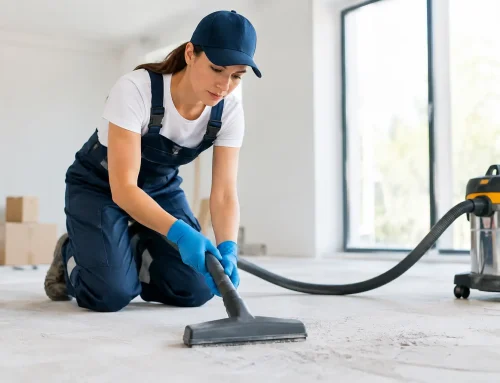
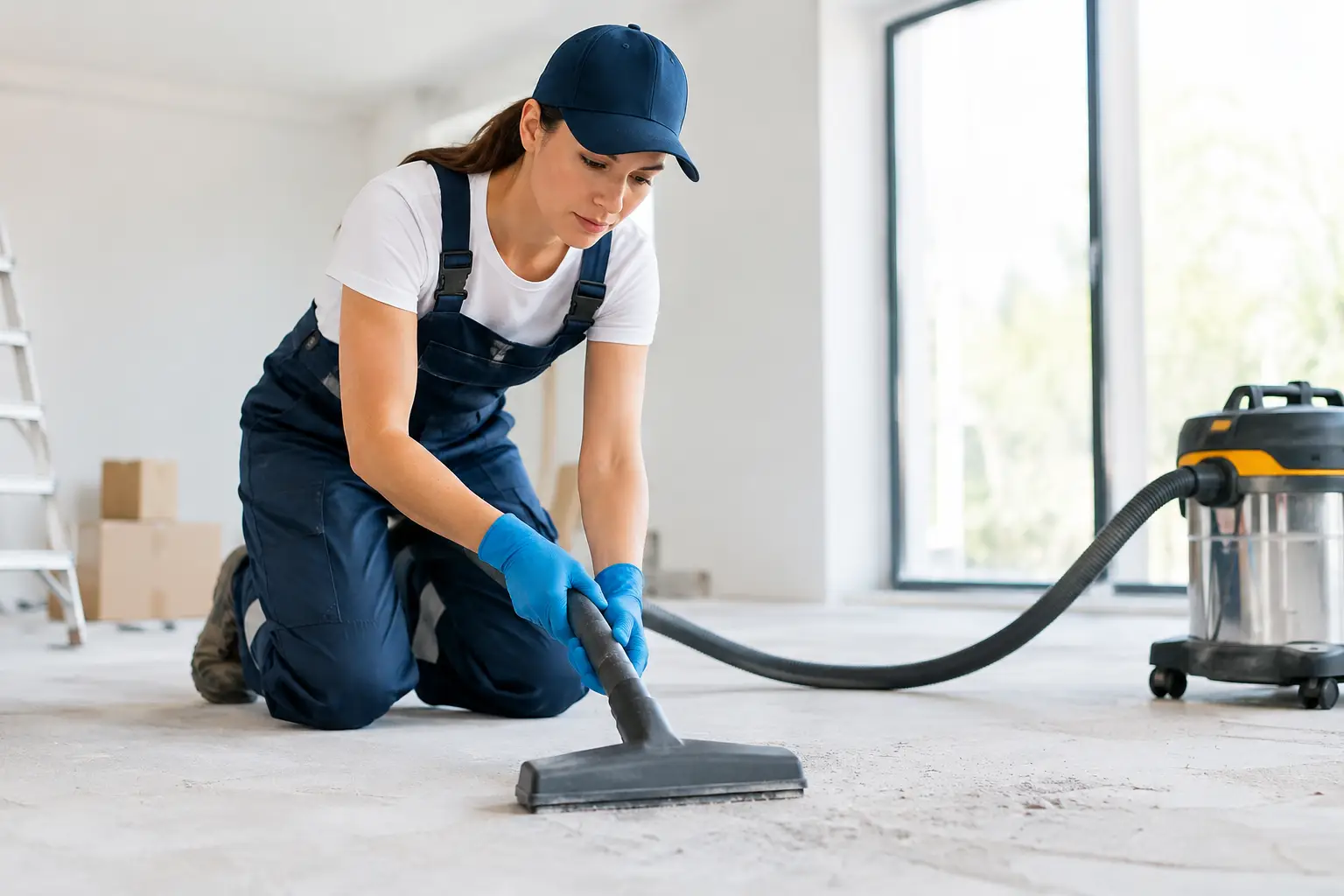
Floors are typically cleaned last because every other task can create dust or foot traffic. Carpeted areas may need detailed vacuuming to remove fine debris from fibers and edges. Hard floors may need vacuuming, sweeping, mopping, or a more specialized service depending on the material and condition.
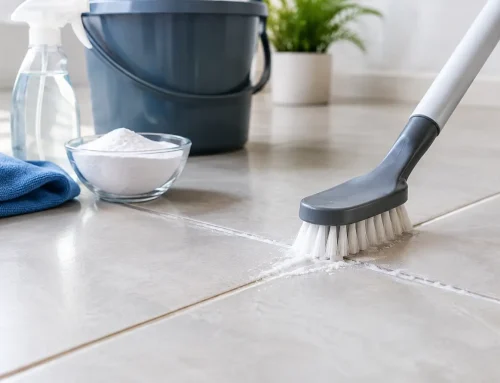
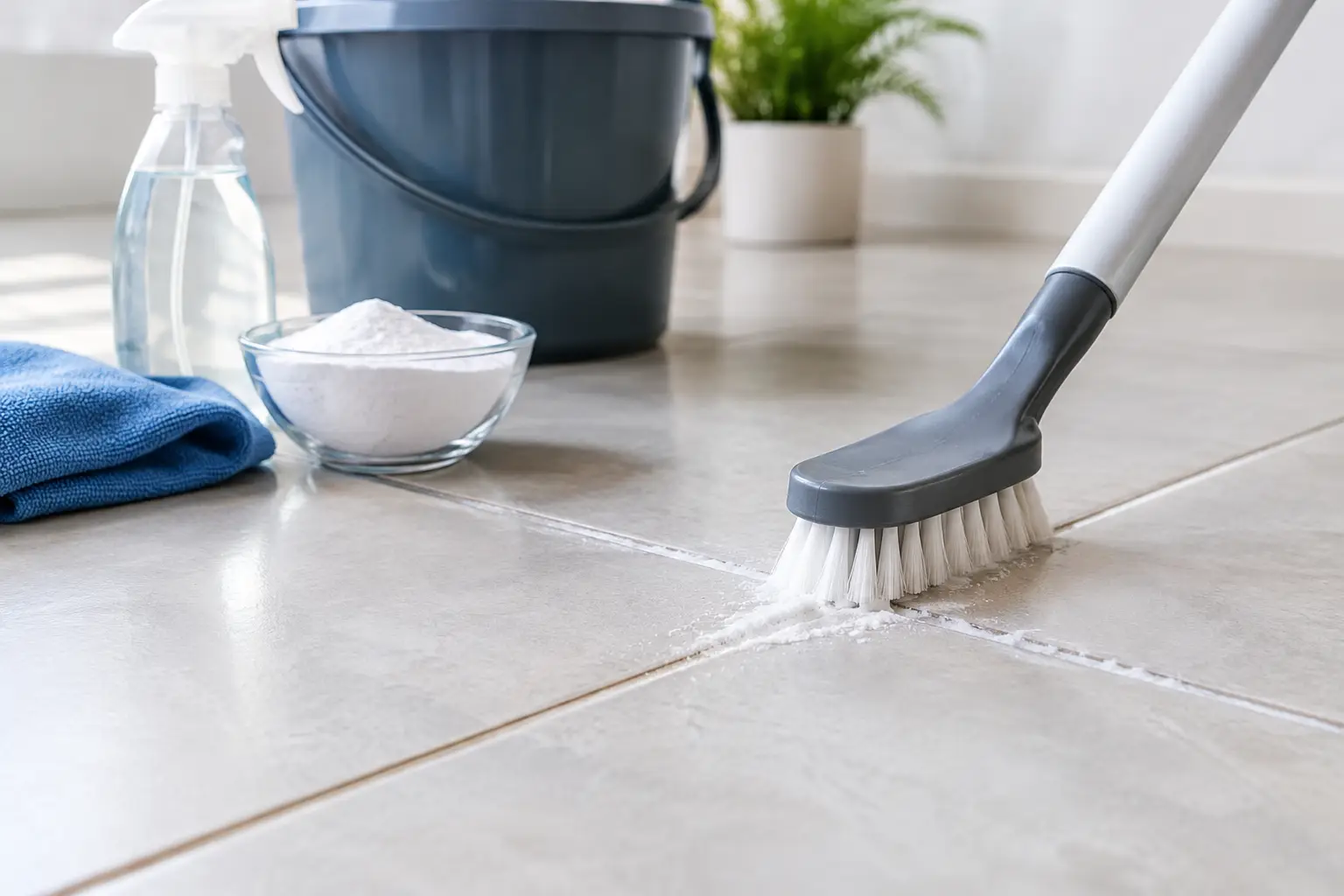
For commercial spaces, the floor is often one of the first details customers notice. A newly renovated lobby or office can lose its polished appearance if it has dusty corners, scuff marks, or residue on the flooring. Services such as carpet cleaning, tile and grout cleaning, or strip and wax floor care may be appropriate when the project scope and flooring type call for them.
A final walkthrough checks for overlooked dust, debris in corners, streaks on glass, and areas where construction residue may still be visible. The objective is simple: the space should feel ready to open, move into, photograph, show to a client, or welcome guests.
What a Professional Cleanup Typically Covers
The details of a renovation clean vary by property, but a complete service generally addresses the visible and hidden dust that remains after construction. That includes wall and trim dusting, doors and frames, baseboards, vents, cabinets, countertops, bathrooms, windows and glass surfaces, and floors.
For a commercial project, cleaning may also include break rooms, common areas, entryways, elevators, interior glass, and workspaces. For homes and rental properties, cleaners may focus on bedrooms, closets, kitchens, bathrooms, living areas, appliances, and interior windows. A personalized quote helps ensure the cleaning plan matches the condition of the property instead of treating every renovation as the same.
It also helps to distinguish between a rough clean and a final clean. A rough clean happens while work is still underway and may focus on removing larger debris so trades can continue safely. A final clean is performed after the main construction work is complete and is centered on detail, presentation, and occupancy readiness. Some larger projects need both, plus a touch-up clean after final inspections or punch-list work.
When to Schedule Post-Renovation Cleaning
The best time to schedule is after dusty work such as sanding, cutting, drilling, and drywall finishing is complete. If painters, flooring installers, electricians, or other trades are still actively working, a final clean may need to wait until they are done. Otherwise, fresh dust, footprints, and debris can quickly undo detailed cleaning work.
For businesses, scheduling after-hours or on a weekend can reduce interruption and help the property transition back into service with less downtime. Property managers may prefer cleanup between construction completion and tenant move-in. Homeowners often schedule it before furniture arrives, since open rooms allow the cleaning team to reach every surface more effectively.
A touch-up visit can be worthwhile for projects with many final inspections or late contractor returns. It depends on how much activity remains after the initial clean and how polished the space needs to be for opening day, listing photos, or a client walkthrough.
Why Experience Matters After Renovation Work
Post-renovation cleaning requires more than ordinary housekeeping. The work calls for an organized process, appropriate equipment, and respect for surfaces that may be brand new. A dependable team also understands that timing matters. Contractors, owners, managers, and tenants are often working around a tight handoff date.
CJ Cleaning Services provides post-renovation and commercial construction final cleaning for properties in Newton, Catawba County, and nearby North Carolina communities. Whether the project is a refreshed office, a remodeled home, a rental turnover, or a commercial build-out, the service can be planned around the condition of the space and the schedule that works for you.
The best result is not simply a room that looks cleaner from the doorway. It is a finished space where dust is no longer clinging to the details, floors look cared for, and the next person through the door can focus on the renovation itself.