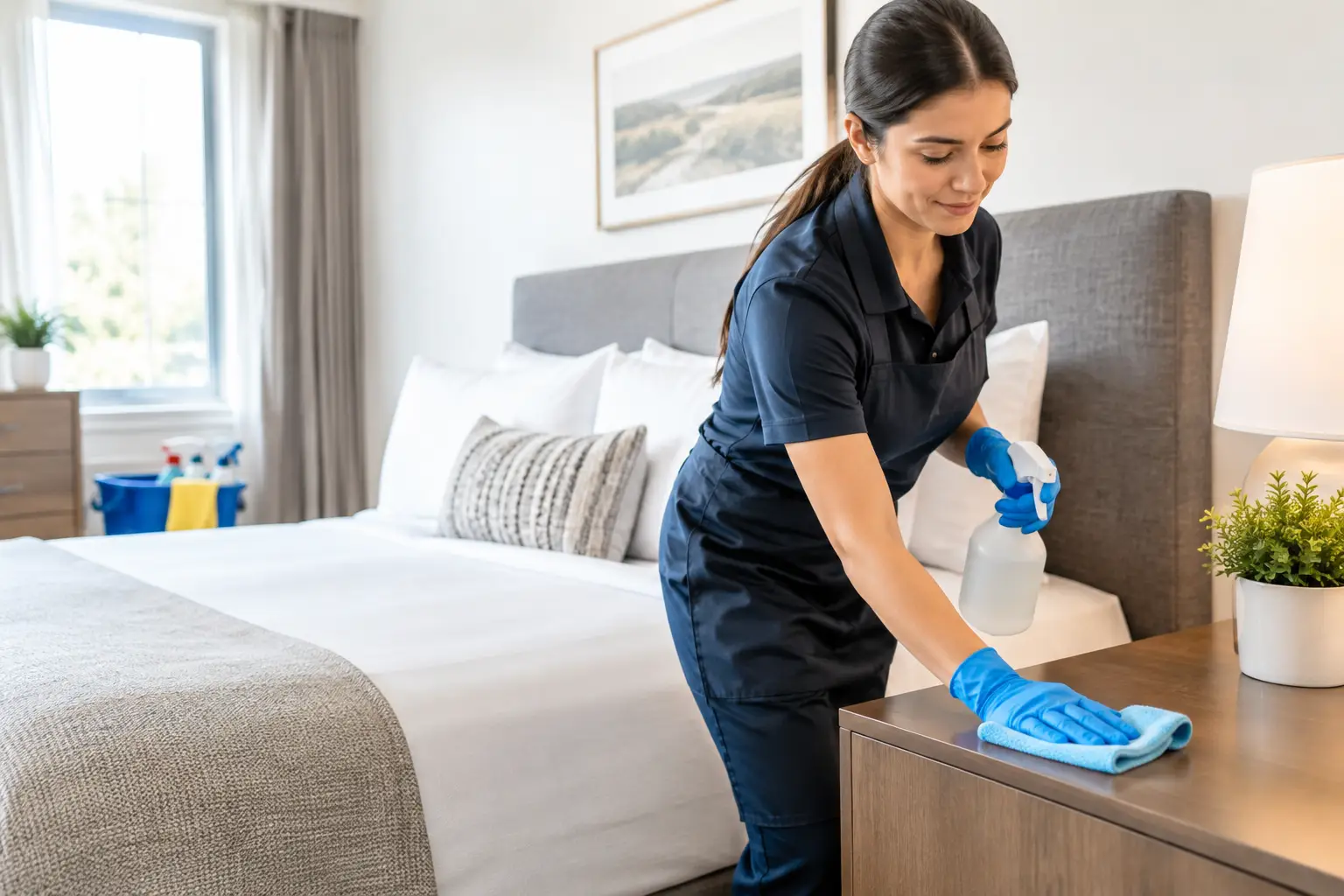


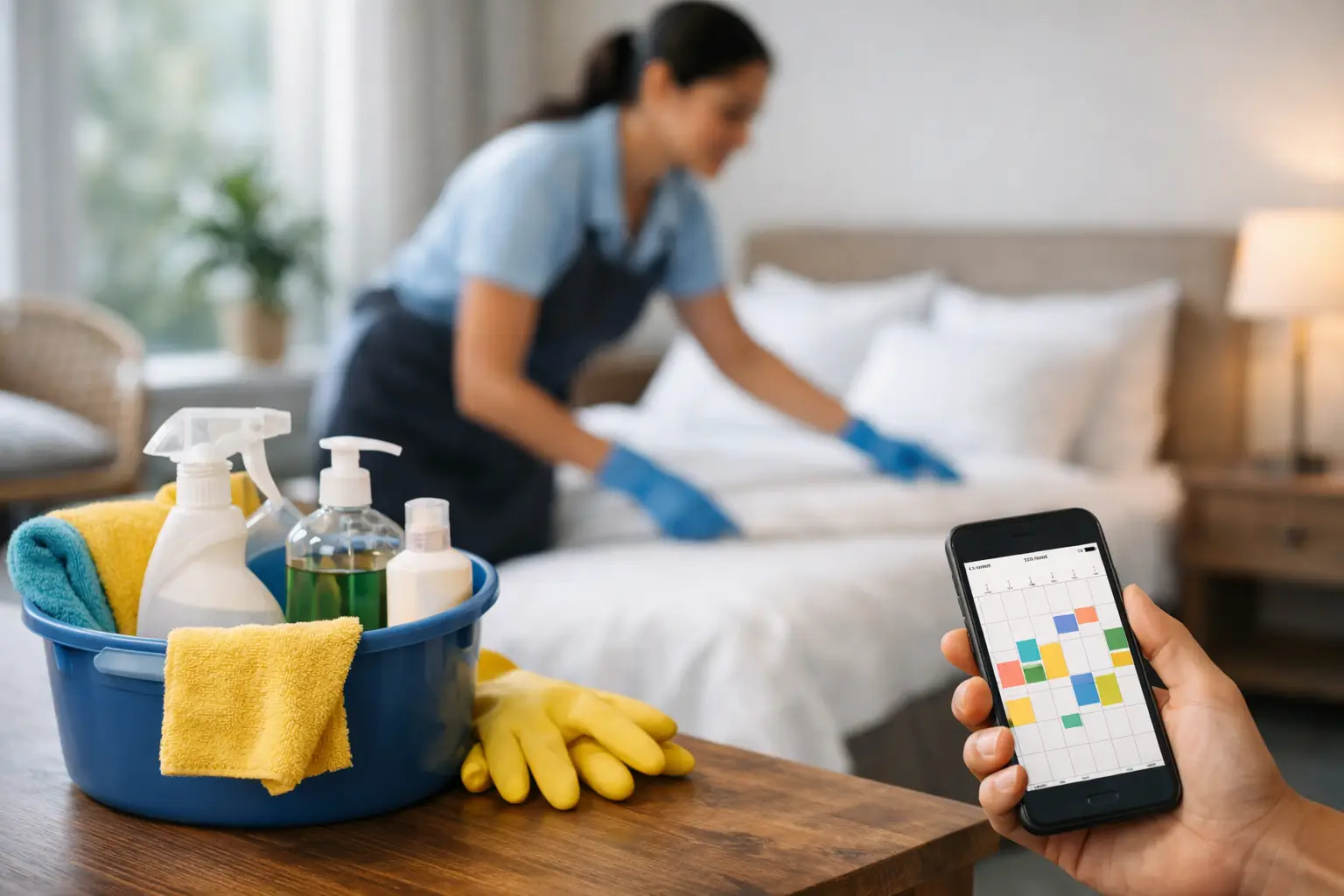
A 10:00 a.m. checkout and a 3:00 p.m. arrival leave very little room for error. When you schedule cleaning between rental guests, the goal is not simply to make the property look tidy. You need a dependable turnover plan that confirms the home is clean, stocked, inspected, and ready before the next guest reaches the door.
For short-term rental hosts and property managers across Catawba County and nearby North Carolina communities, reliable cleaning is part of the guest experience. A missed bathroom detail, damp towels left in the laundry, or a late turnover can quickly become a poor review, a refund request, or a stressful call on a busy day. The right schedule protects your calendar, your property, and your reputation.
Start With the Actual Turnover Window
Your available cleaning window is the time between a confirmed checkout and the earliest possible next check-in. Do not plan around the ideal version of that window. Plan around the real one, including guest delays, laundry time, supply restocking, trash removal, and a final walk-through.
If checkout is at 10:00 a.m. and check-in is at 3:00 p.m., a cleaner may have five hours on paper. In practice, that time disappears quickly when a guest leaves late, linens must be washed on-site, or the property needs extra attention after a longer stay. A two-bedroom rental may be turned over comfortably in a few hours, while a larger home with multiple bathrooms, outdoor areas, or high-end finishes may require a longer service block.
Whenever possible, build a buffer into your booking settings. Even one additional hour between reservations can make service more reliable. A buffer is especially useful during holiday weekends, peak travel periods, or when you manage several properties with same-day turnovers.
How to Schedule Cleaning Between Rental Guests Reliably
The most effective system starts as soon as a reservation is confirmed, not on checkout day. Add the cleaning appointment to your calendar immediately and include the address, checkout time, next check-in time, guest count, and any property-specific instructions. This gives your cleaning professional clear expectations before the workday begins.
It also helps to use a consistent communication routine. Send checkout reminders to guests the day before departure, then have a process for confirming when they have left. If you use smart locks, door activity can provide an extra signal that the property is vacant. Still, avoid assuming the home is ready until checkout time has passed or the guest has confirmed departure.
For properties with frequent bookings, set recurring availability with a trusted cleaning team. A cleaner who knows the layout, supply locations, laundry routine, and quality expectations can complete turnovers more efficiently than someone seeing the property for the first time. Familiarity reduces missed details and makes it easier to spot anything unusual, such as damage, missing items, or maintenance concerns.
CJ Cleaning Services can coordinate short-term rental cleaning with vetted independent professionals, helping local hosts arrange dependable service without having to search for a new cleaner after every reservation. That consistency matters when your calendar changes quickly.
Assign Enough Time for the Scope of Work
Not every turnover requires the same amount of time. A one-night stay with two guests may only need a standard reset, while a weekend group booking may require extra laundry, deeper kitchen cleaning, more trash removal, and additional bathroom work.
Consider the number of bedrooms and bathrooms, the size of the home, whether linens are washed on-site, and whether guests have access to amenities such as patios, grills, hot tubs, or pet-friendly spaces. These areas add time and should be included in the service plan from the beginning.
Avoid booking the shortest possible cleaning slot simply to fit another reservation. A rushed turnover can create bigger problems than an open night on the calendar. Guests notice hair in the shower, crumbs in drawers, smudges on mirrors, and poorly made beds. They also notice when basic supplies are missing.
Build a Turnover Checklist That Fits Your Property
A standard checklist gives cleaners and hosts a shared definition of ready. It should cover cleaning tasks, but it should also include inspection and reset items that directly affect the next guest.
For most rentals, the turnover checklist should address these core areas:
- Kitchen surfaces, appliances, sink, dishes, refrigerator check, and trash removal
- Bathrooms, including toilets, showers, mirrors, floors, fresh towels, and toiletries
- Bedrooms, with stripped linens, freshly made beds, dusting, and a scan for guest belongings
- Living areas, floors, high-touch surfaces, remote controls, cushions, and visible cobwebs
- Entryways and outdoor guest areas, including trash bins, seating, walkways, and door appearance
- Restocking of paper products, soap, trash bags, coffee supplies, and other promised amenities
Keep the list specific to the property. If the thermostat needs to be reset, the grill cover secured, the hot tub checked, or a welcome guide placed on the counter, include it. A generic list is better than none, but a property-specific one creates better consistency.
Plan for Laundry Before It Becomes a Bottleneck
Laundry is often the reason a turnover runs late. Sheets, towels, bath mats, comforters, and kitchen linens can take longer than expected, particularly when washers and dryers are located inside the rental and must be used during the cleaning appointment.
For high-volume properties, consider keeping multiple complete linen sets. That allows cleaners to make beds with clean, prepared linens while used items are processed later. The upfront investment can save valuable turnover time and prevents the next guest from waiting on a dryer cycle.
If you use a linen service or off-site laundry support, set clear pickup and delivery deadlines. Make sure backup supplies are available in the property or a nearby storage area. A clean home is not guest-ready if there are not enough towels or correctly sized sheets for every bed.
Add a Final Inspection Before Guest Arrival
Cleaning and inspection are related, but they are not identical. The person who completes the cleaning may catch many issues, yet a final quality check gives you one more chance to protect the guest experience.
A quick inspection should confirm that the property smells fresh, lights and basic appliances are working, beds are properly made, bathrooms are fully stocked, and no personal items were left behind. It is also the right time to check for damage, stains, broken items, or maintenance needs that a departing guest may not have reported.
Photos can be useful for vacant-property documentation, especially if you manage multiple rentals or work with a remote owner. They provide a record of the property condition after each turnover and help resolve questions if they arise later.
For same-day bookings, complete this inspection early enough to fix a problem. Finding an empty propane tank or a malfunctioning lock 20 minutes before check-in puts everyone under pressure. A little time reserved for corrections is one of the best safeguards in your schedule.
Prepare for Late Checkouts and Last-Minute Bookings
Even well-run rentals have exceptions. A guest may request a late checkout, leave belongings behind, or fail to depart on time. A new reservation may come through with limited notice. Your cleaning calendar needs a plan for both situations.
Set a clear late-checkout policy and communicate it before arrival. When a late departure is approved, update the cleaner immediately rather than waiting until the day of service. If you accept last-minute bookings, only do so when you can confirm cleaning availability and allow enough time for a proper reset.
It may be tempting to accept every available reservation, but there is a trade-off. A full calendar is valuable only when each stay can begin in a clean, safe, and well-prepared home. Protecting service quality usually earns more long-term value than squeezing in one extra night.
Keep Supplies Organized and Easy to Access
A cleaning professional should not have to search through cabinets for trash bags, toilet paper, replacement light bulbs, or extra pillowcases. Create a dedicated, labeled supply area and keep an inventory list for essentials. Store owner items separately so they are not mistaken for guest supplies.
Check inventory after every turnover or establish a set schedule for restocking. This is especially helpful for properties that provide coffee, snacks, toiletries, or specialty amenities. If a cleaner notices supplies running low, they should have a clear way to report it before the next arrival.
The best turnover schedules are not built on rushing. They are built on realistic timing, clear instructions, dependable cleaning support, and enough room to handle the unexpected. When every guest walks into a property that feels clean, cared for, and ready for them, your rental has a better chance to earn the reviews and repeat bookings it deserves.