

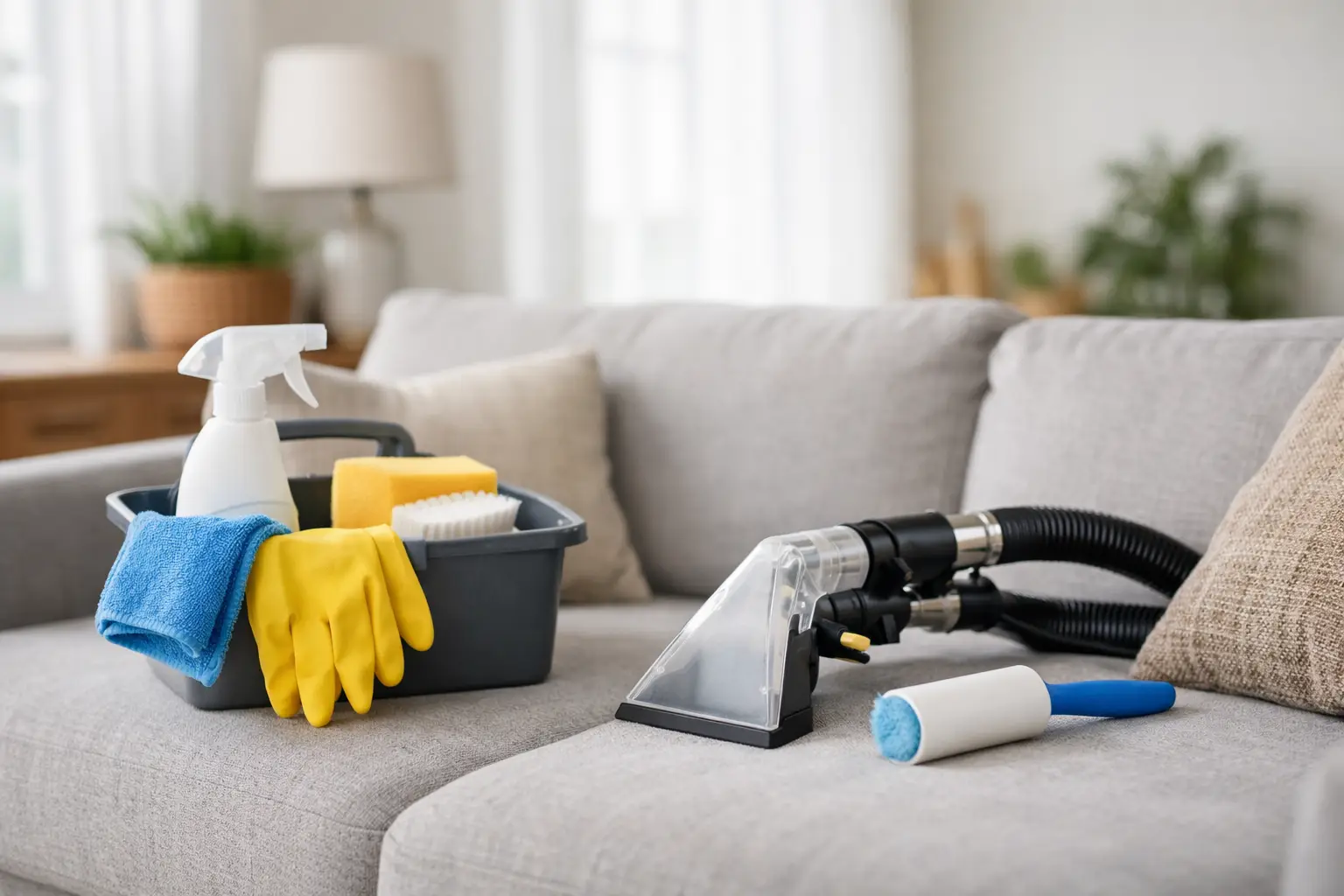
A sofa can look clean from across the room while holding months of body oils, pet hair, snack crumbs, and everyday dust in its fabric. The right upholstery cleaning preparation guide helps your service appointment focus on the deep cleaning work rather than avoidable delays. A few practical steps can also protect your belongings, clarify concerns about stains, and help your furniture dry properly afterward.
For homeowners, renters, short-term rental hosts, and property managers in Catawba County and nearby North Carolina communities, preparation does not need to be complicated. It simply gives the cleaning professional safe, clear access to the pieces that need attention.
Why Preparation Makes Upholstery Cleaning Better
Professional upholstery cleaning is not a one-method service. The best approach depends on the fabric, construction, condition of the furniture, and the type of soil or staining present. A microfiber sectional, a delicate linen chair, and a synthetic office waiting-room sofa may all require different products, tools, moisture levels, and drying expectations.
Preparing ahead gives the cleaner time and room to inspect the upholstery before work begins. It also reduces the chance that loose items, pet toys, sharp objects, or fragile décor get misplaced or damaged during the process. When the area is ready, the appointment can stay efficient and the cleaner can give proper attention to high-use cushions, arms, headrests, and visible spots.
There is a practical trade-off to keep in mind: moving every piece of furniture yourself is not always necessary or advisable. Heavy sectionals, sleeper sofas, antique pieces, and furniture with weak legs should be discussed before the appointment. Clear the surrounding area when possible, but do not risk injury or damage trying to move something that requires assistance.
Upholstery Cleaning Preparation Guide: What to Do First
Check the Manufacturer’s Cleaning Tag
Look for the care tag, usually under a cushion, beneath the furniture frame, or along a skirt. It may show a cleaning code that provides useful direction:
- W means water-based cleaning methods are generally acceptable.
- S means solvent-based products may be required.
- WS or SW indicates either method may be appropriate.
- X means vacuuming or professional care only, with no water or solvents applied by the owner.
These codes are helpful, but they are not the only factor. Age, prior cleaning attempts, fabric blends, dyes, and the furniture’s overall condition can affect the recommended method. Share what you find with the cleaning professional, especially if the furniture has a label that warns against water-based products.
Remove Personal Items and Loose Cushions
Take blankets, throws, decorative pillows, remotes, chargers, books, and other personal items off the furniture. Check between and beneath cushions for small belongings, coins, pens, hair clips, and children’s toys. This is especially helpful for sectional sofas and recliners, where items can slip into crevices or mechanisms.
If cushions are removable, set them aside nearby unless you have been asked to leave them in place. The cleaner may want to inspect both sides and determine whether the cushions should be cleaned separately. Do not remove attached cushions, stapled fabric panels, or protective covers unless directed to do so.
Vacuum Loose Debris If You Can
A quick vacuum is one of the most useful things you can do before an upholstery appointment. Use an upholstery attachment to pick up loose pet hair, crumbs, dust, and dry soil from cushions, seams, and under the edges. This does not replace professional cleaning. It helps prevent loose debris from turning into a muddy residue once moisture is introduced.
If your upholstery is delicate, heavily worn, or shedding fibers, skip aggressive vacuuming. Gentle passes are enough. Do not use a stiff brush that could snag loops, roughen velvet, or damage fragile fabric.
Make a Clear Path to the Furniture
Cleaning equipment needs a safe route from the entry point to the room where the furniture is located. Move breakable items, floor lamps, baskets, and small tables out of the walkway. Make sure pets are secured and children are supervised away from the work area.
For apartments, offices, and rental properties, consider practical access details before the scheduled time. Let the cleaner know about stairs, elevators, gate codes, parking limitations, loading areas, or buildings with specific service-entry rules. A little advance communication helps avoid lost time and makes the visit more convenient for everyone.
Point Out Stains and Problem Areas
Before cleaning begins, point out the spots that concern you most. Common trouble areas include armrests, seat cushions, headrests, pet accidents, spilled drinks, makeup, ink, food grease, and odors. Tell the cleaner what caused the stain if you know. Coffee, red wine, pet urine, cooking oil, and marker stains respond differently, so that information can guide treatment.
Be honest about previous cleaning attempts. A store-bought spot remover, soap, bleach, vinegar mixture, or rental machine may leave residue or change the fabric’s color. That does not mean the furniture cannot be cleaned, but it may affect the results and the products that can be safely used.
Professional cleaning can improve many stains and odors, but no reputable service should promise that every mark will disappear. Some stains permanently alter fibers or dyes, particularly if they have set over time, been exposed to heat, or received the wrong chemical treatment. The goal is cleaner, fresher upholstery and the best safe result for the material.
Protect Nearby Floors and Belongings
Move fragile décor and valuables away from the furniture. If a sofa sits directly against a wall, remove pictures or items that could be bumped during cleaning. Clear nearby coffee tables and end tables so there is enough room for cushions, hoses, and equipment.
If you have hardwood floors, specialty flooring, or an area rug beneath the furniture, mention it during scheduling or at the start of the appointment. Cleaning professionals can assess the space and take appropriate precautions. Avoid placing plastic sheets or towels under the furniture on your own unless you are instructed to do so, as trapped moisture can create a different problem.
For commercial spaces and short-term rentals, make sure guest items, office supplies, and electronics are removed from upholstered seating. A clean, organized work area supports a faster service and helps keep the property ready for employees, customers, or incoming guests.
Plan for Drying Time
Upholstery is typically damp after professional cleaning, even when low-moisture methods are used. Drying time depends on the material, amount of soil removed, indoor temperature, humidity, airflow, and the cleaning method used. Many pieces dry within several hours, but thick cushions and humid conditions can take longer.
Plan to keep people and pets off the furniture until it is dry. Sitting on damp upholstery can transfer body oils back into the fabric, flatten fibers, and slow the drying process. If possible, keep the room comfortably ventilated with ceiling fans, an HVAC system, or open windows when weather conditions allow.
Avoid using portable heaters directly on furniture or applying hair dryers to one area. Too much concentrated heat can affect fabric, adhesives, foam, or color. Air movement is usually the safer choice.
Special Considerations for Pets, Kids, and Rentals
Households with pets may benefit from a little extra preparation. Pick up pet bedding and toys, secure animals in a comfortable room away from the service area, and mention any odor or accident concerns in advance. Odor treatment often depends on whether the source has reached the cushion filling or furniture frame.
For homes with children, check cushions carefully for crayons, slime, gum, stickers, and small objects. Let the cleaner know if a stain came from paint, nail polish, medicine, or another unusual material. The sooner this information is shared, the better the chance of choosing the safest treatment.
Property managers and Airbnb hosts should inspect furniture between guests and schedule upholstery cleaning before a turnover deadline whenever possible. Last-minute service can be available based on scheduling, but allowing time for cleaning and drying helps keep the next check-in smooth and protects the guest experience.
When to Ask Questions Before Booking
Ask about the expected method, approximate drying time, and whether the furniture should be moved or left in place. If you have silk, velvet, leather, antique upholstery, a down-filled sofa, or furniture with water-damage concerns, describe it before the appointment. Specialty materials may need a different approach or a referral to a provider with specific expertise.
CJ Cleaning Services, LLC helps local clients coordinate dependable cleaning services with vetted independent professionals, making it easier to arrange specialty care around your home, rental, or business schedule. Clear details at the quote stage help ensure the right expectations are set before service day.
A little preparation lets the cleaning professional spend more time where it counts: restoring the comfort, appearance, and freshness of the furniture your family, guests, employees, or customers use every day. Clear the space, share what you know about the fabric and stains, and give the upholstery time to dry well afterward.