

A clean floor changes how an entire space feels. It is one of the first things guests, customers, tenants, and employees notice, yet it also takes the hardest daily wear from shoes, pets, spills, rolling chairs, and furniture. Consistent floor care helps protect your investment while keeping your home or business cleaner, safer, and more welcoming.
For busy homeowners, rental hosts, property managers, and local businesses, the goal is not simply to make floors look good for a day. It is to use the right cleaning method often enough to prevent dullness, buildup, stains, and premature wear. The right plan depends on the type of flooring, how much traffic it receives, and what happens in the space each week.
Why Floor Care Should Match the Surface
Floors are not one-size-fits-all. A product or tool that works well on ceramic tile can leave residue on luxury vinyl plank. Too much water may damage hardwood or work its way into laminate seams. Aggressive scrubbing can wear down a protective finish, while mild cleaning alone may not remove embedded grime from grout or carpet fibers.
That is why surface-specific care matters. Hardwood needs moisture control and products made for sealed wood. Tile and grout need attention to the textured areas where soil collects. Vinyl and laminate benefit from gentle, low-moisture cleaning that avoids leaving a slippery film. Carpet requires routine vacuuming, prompt spot treatment, and periodic deep cleaning to lift dirt from below the surface.
In homes with children or pets, floors may need more frequent attention around entryways, kitchens, feeding areas, and living rooms. In offices, retail spaces, and other commercial settings, the priorities often include appearance, safety, and keeping high-traffic paths from looking worn before their time.
A Practical Floor Care Routine for Homes and Businesses
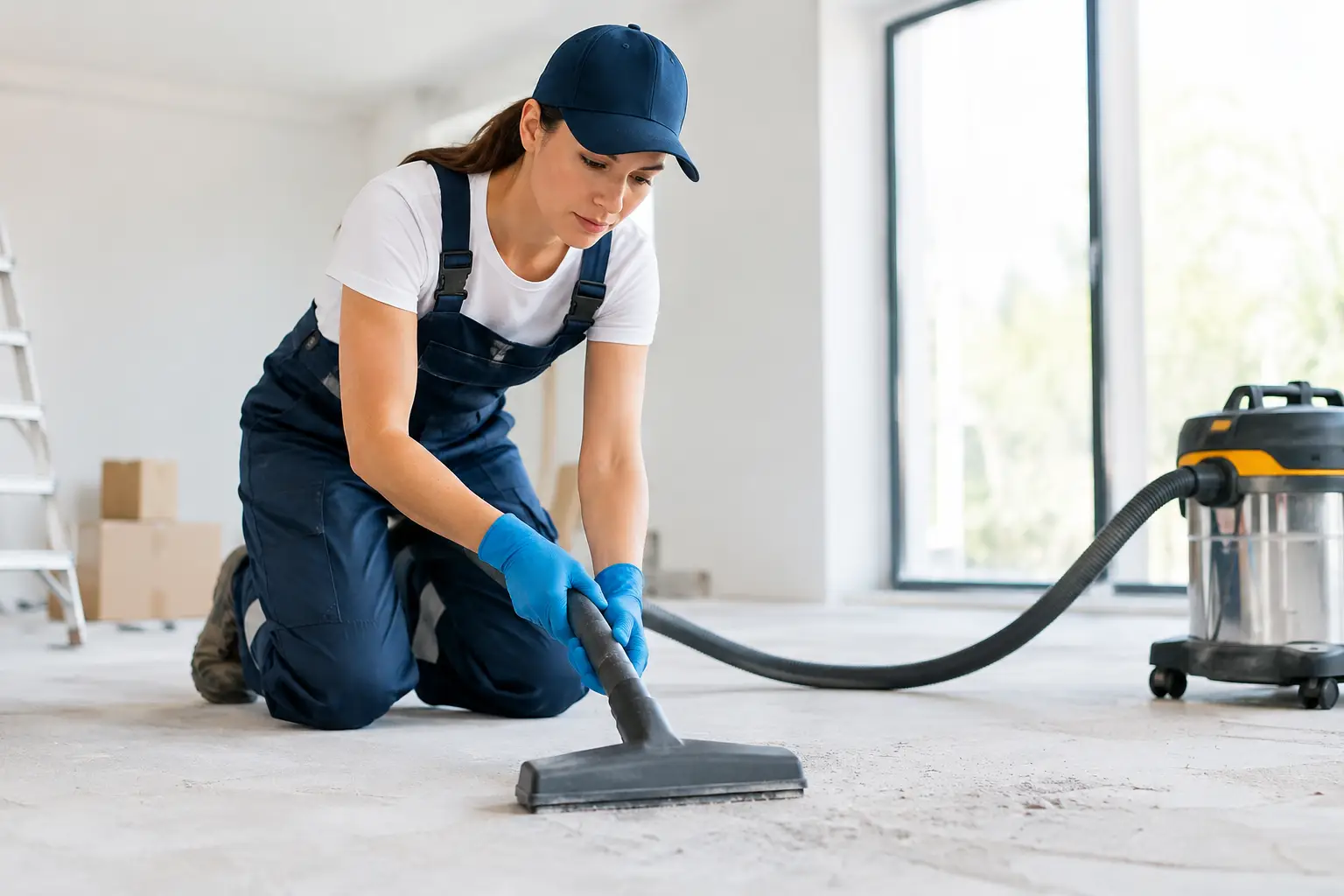
A dependable routine does not have to be complicated, but it should be consistent. Dry soil is one of the main causes of surface wear. Sand, grit, and tracked-in debris act like abrasives underfoot, especially on hardwood, vinyl, and finished commercial floors. Regular vacuuming or sweeping removes that material before it gets ground in.
For most homes, high-traffic areas should be vacuumed or swept several times a week. Entryways may need daily attention during rainy weather, pollen season, or when pets spend time outdoors. Businesses with steady customer or employee traffic often benefit from daily cleaning in entrances, hallways, restrooms, break rooms, and reception areas.
Mopping should be based on the floor material and visible use, not just a calendar reminder. A lightly damp microfiber mop is generally a better choice than soaking a floor with water. Using too much liquid can create streaks, leave residue, and cause damage to moisture-sensitive surfaces. Clean mop pads also matter. A dirty pad can spread soil across the floor instead of removing it.
Area rugs and mats provide another simple layer of protection. Place durable mats at exterior doors and encourage visitors, employees, or guests to wipe their shoes before entering. Rugs in hallways, near sinks, and in front of frequently used doors can reduce wear in the spots that take the most traffic. Just make sure mats are secure and do not create a tripping hazard.
When Routine Cleaning Is Not Enough
Even well-maintained floors eventually need more than a quick sweep and mop. Grout can darken slowly as soil settles into its porous surface. Carpet may look flat or dingy in pathways despite regular vacuuming. Vinyl and commercial flooring can develop dull areas from foot traffic and cleaning-product buildup. Hardwood can lose its luster when its finish becomes scratched or worn.
These changes are often gradual, which makes them easy to overlook until the floor no longer reflects the condition of the rest of the room. Specialty cleaning can make a noticeable difference when routine maintenance no longer delivers the result you expect.
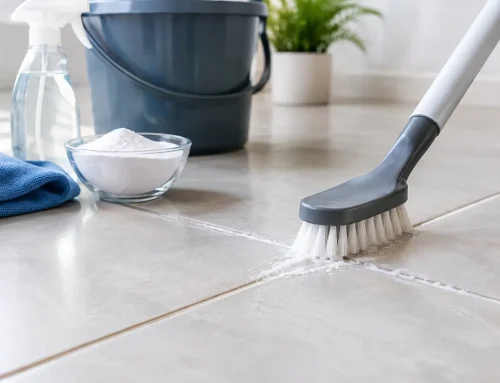
Tile and grout cleaning is especially helpful in kitchens, bathrooms, entryways, and commercial restrooms. Cleaning the tile surface alone may not address discoloration in the grout lines. Professional methods can remove accumulated soil more effectively and improve the overall look of the room without replacing the tile.
Carpet cleaning is a smart choice after heavy seasonal use, before a move, after renovation work, or when a rental property needs to be prepared for incoming guests. It can also help refresh upholstered furniture that shares the same high-use areas. The best timing depends on household size, pets, allergies, and traffic. A quiet home may need less frequent service than a busy office or short-term rental.
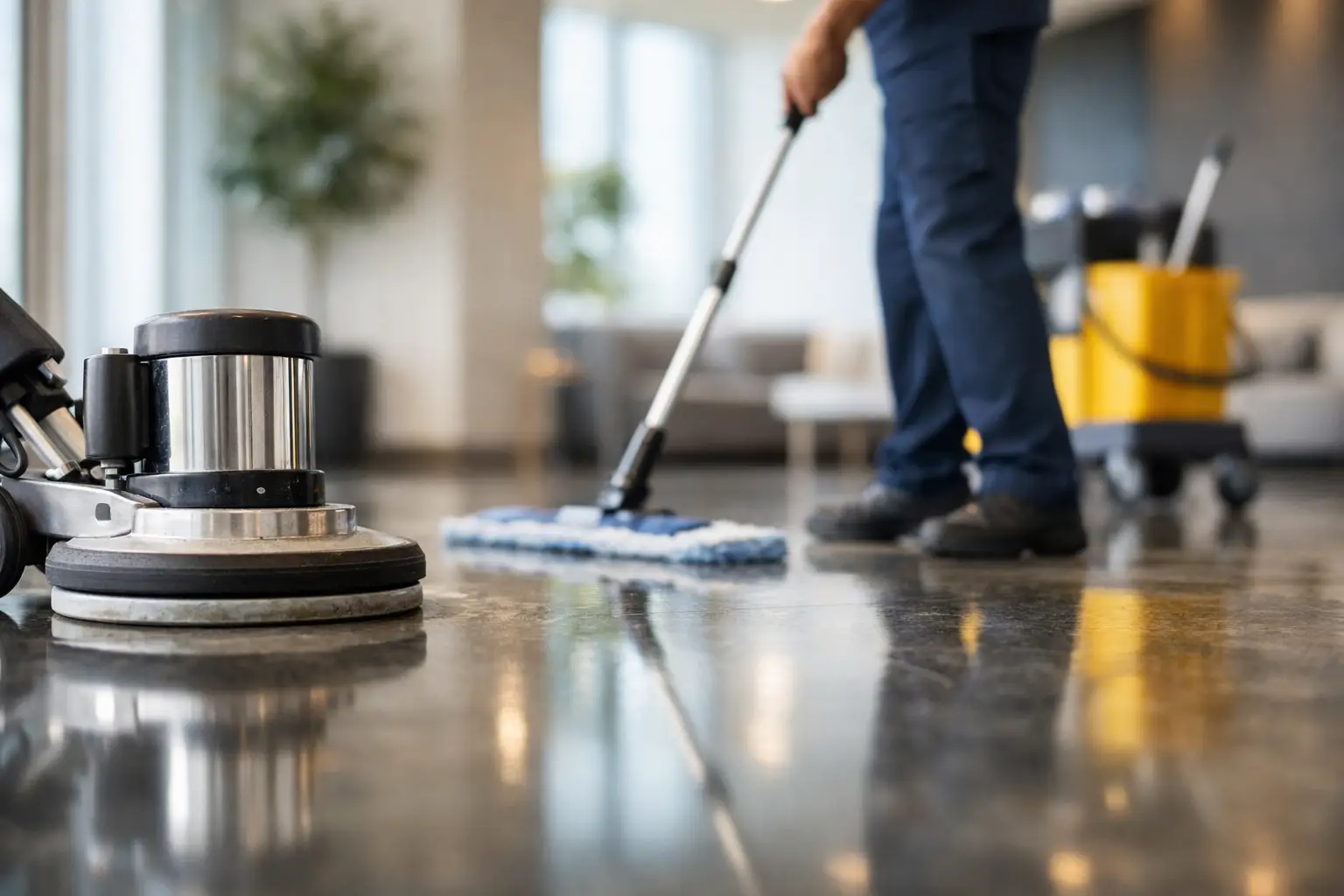
For resilient commercial flooring, strip-and-wax service may be appropriate when the existing finish is heavily scuffed, yellowed, or difficult to clean. This process is more involved than basic mopping, but it can restore a cleaner, more uniform appearance and help protect the floor beneath. It is not necessary for every type of flooring, so the surface should be assessed before scheduling service.
Common Floor Care Mistakes to Avoid
The quickest way to shorten a floor’s lifespan is to use a cleaning method that does not fit the material. Harsh chemicals, abrasive scrubbers, and excessive water can create problems that regular cleaning cannot fix. A few habits are worth avoiding:
- Using vinegar, bleach, or strong degreasers without confirming they are safe for the floor finish.
- Applying too much water to hardwood, laminate, or flooring with seams that can absorb moisture.
- Letting spills sit, especially on wood, grout, carpet, and around the edges of vinyl planks.
- Using wax or polish products on floors that are not designed for them, which can leave a cloudy or difficult-to-remove buildup.
- Waiting until a floor looks severely dirty before arranging deeper cleaning or restoration.
Prompt spill cleanup is one of the simplest protections available. Blot carpet spills rather than rubbing them deeper into the fibers. Wipe up liquid from hard surfaces quickly, then clean the area with an appropriate product. For grease, paint, pet accidents, or unknown stains, testing a small hidden area first can prevent a minor issue from becoming visible damage.
Floor Care During Moves, Renovations, and Turnovers
Floor condition becomes especially important during transitions. Home sellers want rooms to photograph well. Renters want to meet move-out expectations. Property managers need units ready for the next resident. Short-term rental hosts need floors that feel clean and well cared for before every arrival.
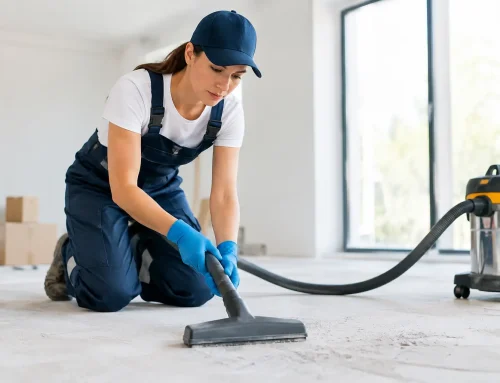
Post-renovation cleaning deserves extra attention because fine dust can settle into carpet, grout lines, corners, and vents. Construction residue may also leave a film on hard surfaces. The right cleaning approach helps remove the remaining dust without scratching newly finished floors or spreading debris throughout the property.
For move-in and move-out service, floor cleaning should be part of a broader reset that includes baseboards, corners, closets, bathrooms, and kitchens. A clean floor stands out more when the rest of the room is also ready for the next chapter.
Dependable Help for Floors That Work Hard
Some floor care tasks are easy to manage between professional visits. Others require more time, equipment, or expertise than a busy schedule allows. That is where a customized cleaning plan can help. Recurring home cleaning can keep routine dust and tracked-in dirt under control, while specialty carpet, tile and grout, floor revitalizing, or strip-and-wax services address deeper needs.
CJ Cleaning Services helps clients throughout Catawba County and nearby North Carolina communities coordinate dependable cleaning support based on the property, flooring type, and schedule. Whether you are maintaining a family home, preparing an Airbnb, managing a rental turnover, or keeping a customer-facing business polished, reliable service makes it easier to stay ahead of the work.
Your floors carry the daily life of your space. Give them the regular attention they deserve, and they can continue to make every room feel cared for long after the cleaning is done.