

A carpet can look clean after a quick pass with a rental machine yet still hold the soil, pet dander, spills, and oily residue that make it look worn again a few weeks later. When choosing steam cleaning versus shampooing, the better option depends on your carpet’s condition, the type of traffic it handles, and how quickly the area needs to be back in use.
For homeowners, renters, property managers, and business owners in Catawba County and nearby communities, the decision often comes down to two practical questions: Will it remove the buildup, and how long will the carpet take to dry? Here is what each method does and when it makes sense to schedule professional carpet care.
Steam Cleaning Versus Shampooing: The Main Difference
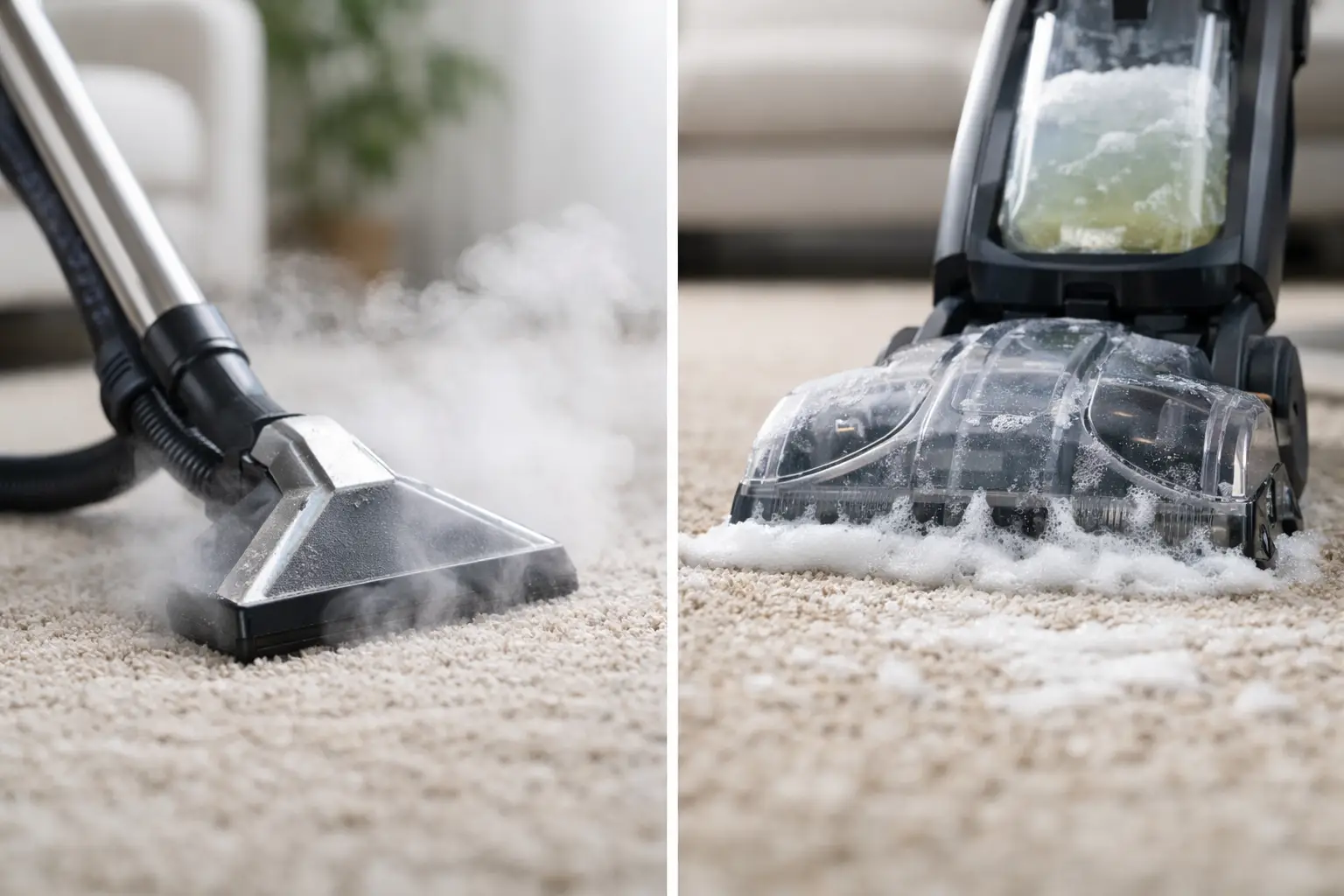
Although people commonly call it steam cleaning, professional carpet steam cleaning is usually hot water extraction. A technician applies heated water and a cleaning solution into the carpet fibers, then uses powerful suction to pull out the water along with loosened dirt, allergens, and cleaning residue. True steam is not typically what cleans a wall-to-wall carpet.
Shampooing relies more heavily on a foaming or liquid detergent worked into the carpet with a machine. The product lifts soil to the surface, where it is removed through extraction, vacuuming, or both, depending on the equipment and method used. Modern shampooing can be effective, but it requires careful product selection and thorough removal of the cleaning solution.
The difference matters because leftover detergent can attract new soil. If a carpet feels stiff, looks dull soon after cleaning, or becomes dirty again unusually fast, excess residue may be part of the problem.
When Hot Water Extraction Is the Better Fit
Hot water extraction is often the preferred choice for carpets with embedded soil, tracked-in dirt, pet-related messes, food spills, and heavy household traffic. It is especially useful in living rooms, hallways, bedrooms, office walkways, and rental properties where carpets have not received a deep cleaning in some time.
The combination of heat, cleaning solution, agitation, and extraction reaches farther into the pile than surface cleaning alone. That makes it a strong option for families with children, homes with pets, and businesses that need a cleaner appearance for customers and employees.
A professional service also adjusts the approach based on carpet type and condition. Synthetic carpet can often handle more moisture and stronger cleaning action than delicate natural fibers. Older carpet, loose seams, and previous DIY treatments may call for a more cautious process. The goal is not simply to make carpet look brighter for the day. It is to remove as much soil as possible without overwetting or damaging the fibers.
Drying Time After Steam Cleaning
Drying time is the most common concern with hot water extraction. In many homes, carpets dry in roughly 6 to 12 hours, though conditions vary. Thick carpet, high humidity, poor air circulation, and heavy cleaning can extend that window. A lightly soiled room with good airflow may dry sooner.
To speed up drying, keep the thermostat at a comfortable temperature, run ceiling fans, turn on the HVAC system, and avoid walking on the carpet until it is mostly dry. If walking is unavoidable, clean socks or shoe covers are better than outdoor shoes.
For offices, short-term rentals, and move-out properties, scheduling matters. Cleaning early in the day or between guest stays can provide the needed drying time before the space is used again.
When Carpet Shampooing Makes Sense
Shampooing can be a reasonable choice for certain carpet conditions, particularly when the main need is surface refreshment or when a cleaning professional uses a low-residue formula with proper extraction. It can help improve the appearance of lightly soiled carpet and address specific visible spots.
Some low-moisture shampoo or encapsulation-style products are also useful where faster drying is a priority. These methods use less water than traditional hot water extraction. As the cleaning solution dries, it can surround remaining soil particles so they can be removed during vacuuming.
This can be helpful in a busy commercial setting, a rental turnover, or a home where rooms must be used soon after service. Still, low-moisture methods are not always the answer for deeply embedded grime, old pet accidents, or carpet that has gone years without professional cleaning.
The Residue Question
Shampooing gets a mixed reputation for a good reason: too much product, weak extraction, or an improper rinse can leave residue behind. That residue may feel sticky or crunchy underfoot and can cause dirt to cling to the fibers more quickly.
This does not mean every shampooing service creates a problem. It means technique matters. A qualified cleaning professional uses the appropriate amount of solution, treats spots based on their source, and removes cleaning agents as thoroughly as possible. Carpet should feel clean and soft when dry, not soapy or stiff.
Compare Results Based on Your Carpet’s Needs
There is no single method that is right for every room. The condition of the carpet should guide the choice.
Hot water extraction is generally the stronger option when carpet has visible traffic lanes, ground-in dirt, odors, pet hair, old spills, or a dingy overall appearance. It is also a practical reset before listing a home, moving into a new space, or preparing a rental for the next tenant.
Shampooing or low-moisture cleaning may be the better fit when the carpet is regularly maintained, only lightly soiled, and needs a quicker turnaround. It can also be part of an ongoing maintenance plan between deeper extraction cleanings.
For severe stains, the cleaning method is only one part of the answer. Coffee, wine, grease, ink, makeup, and pet urine all react differently. A stain that has been treated repeatedly with household products may require specialized spot treatment, and some discoloration may be permanent. Honest expectations are part of professional service. Cleaning can significantly improve many carpets, but it cannot always reverse bleach spots, fiber damage, or years of neglected wear.
What About Pet Odors and Allergens?
Pet homes often benefit from hot water extraction because it helps remove dander, fur, and soil from deeper in the carpet. However, odor removal depends on whether the source is in the carpet fibers alone or has reached the backing, padding, or subfloor.
If urine has soaked below the carpet, a standard surface cleaning may improve the smell temporarily without fully removing it. The affected area may need targeted treatment, odor-neutralizing products, or further inspection. The same principle applies to mildew odors caused by past water issues. A clean carpet is not a substitute for fixing an active moisture problem.
For households with allergy concerns, regular vacuuming with a quality vacuum and periodic professional extraction can reduce the buildup that settles into carpet. Entry mats, prompt spill cleanup, and a no-shoes policy can also make a noticeable difference in how long carpets stay cleaner.
Choosing a Carpet Cleaning Service
The equipment matters, but the process matters just as much. Before scheduling service, ask what method will be used, how stains and odors are evaluated, whether furniture moving is included, and what drying time to expect. It is also smart to mention pets, delicate rugs, previous stains, and any areas with loose carpet or water damage before the appointment.
A reliable provider should give clear expectations rather than promise that every stain will disappear. They should also recommend the cleaning method that fits the carpet instead of using the same approach for every home or business.
CJ Cleaning Services helps connect local clients with vetted independent cleaning professionals for carpet cleaning and other specialty services. Whether you are preparing a home for guests, refreshing an office, turning over a rental, or dealing with high-traffic carpet, coordinated service makes the process easier to schedule and manage.
Fresh carpet should make a room feel more comfortable, not create another item on your to-do list. Choose the method based on the soil level, drying needs, and condition of the fibers, then give the carpet enough time to dry properly before bringing normal foot traffic back into the space.