


Fresh paint, new flooring, and updated fixtures can make a space feel brand new. The dust left behind can make it feel unfinished. Renovation dust removal is the step that turns a construction site back into a comfortable home, ready-to-use office, rental property, or customer-facing business.
Fine construction dust does not stay where the work happened. It settles on trim, inside cabinets, across window sills, under appliances, and into vents. A quick sweep may improve the appearance, but it rarely removes the fine particles that continue to show up on floors and furniture for days afterward.
Why renovation dust needs more than a basic cleaning
Construction debris comes in different sizes. Larger scraps, sawdust, drywall pieces, and packaging are usually easy to spot and remove. The harder issue is the fine dust created by drywall sanding, cutting wood, drilling, grout work, and flooring installation. It can coat every horizontal surface and travel through nearby rooms, even when contractors use protective barriers.
This dust affects more than appearance. It can leave floors hazy, make countertops feel gritty, and create a dull film on windows, fixtures, and appliances. For households with children, pets, allergies, or respiratory sensitivities, lingering dust can be especially frustrating. In commercial settings, it can also affect the first impression customers and employees have when they enter the building.
Post-renovation cleaning is detail-oriented because dust has to be removed in the right order. If floors are cleaned before high surfaces, more dust simply falls back down. If a vacuum is not suited for fine particles, it may move dust around instead of capturing it. Professional cleaners use a systematic approach that helps prevent repeat work and leaves the space ready for normal use.
What thorough renovation dust removal includes
The exact scope depends on the size of the project, the materials used, and whether the space was occupied during construction. A bathroom refresh may need focused cleaning in one area, while a kitchen remodel or commercial build-out often requires a complete top-to-bottom service.
High and low surfaces both matter
Professional post-renovation cleaning usually begins with dry dusting and detailed wiping of high surfaces. This can include ceiling fans, light fixtures, vents, ledges, molding, blinds, doors, baseboards, and window tracks. These are the places dust settles first and often gets missed during a rushed cleanup.
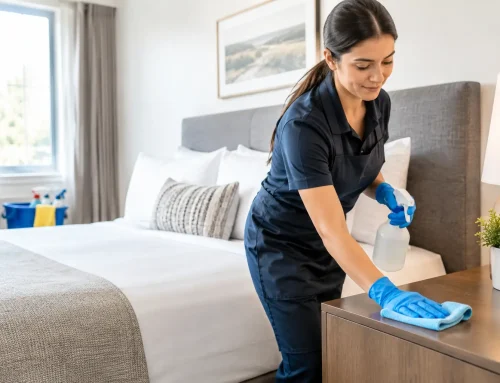
Cleaners then address lower surfaces such as cabinets, shelving, countertops, switches, outlets, appliance exteriors, and interior glass. New cabinetry and fixtures often have a visible layer of dust, along with fingerprints, adhesive residue, and protective film left behind after installation.
Floors need the right approach
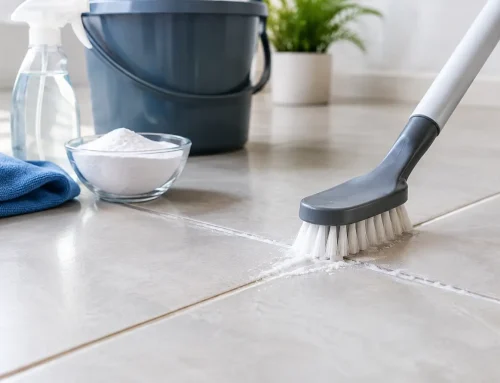
Floor cleaning after a renovation should account for the surface type. Hardwood, luxury vinyl plank, tile, laminate, carpet, and sealed concrete all have different care requirements. Grit left on a hard floor can create scratches when it is dragged under shoes or cleaning equipment. Carpet can hold onto fine dust long after the visible construction mess is gone.
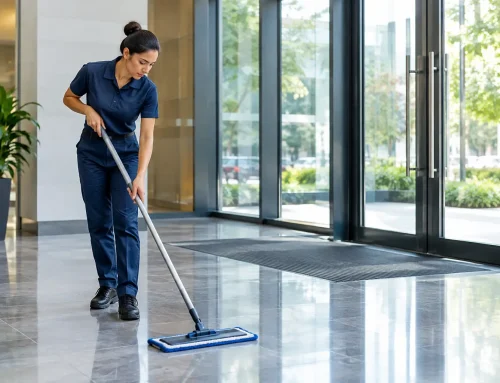
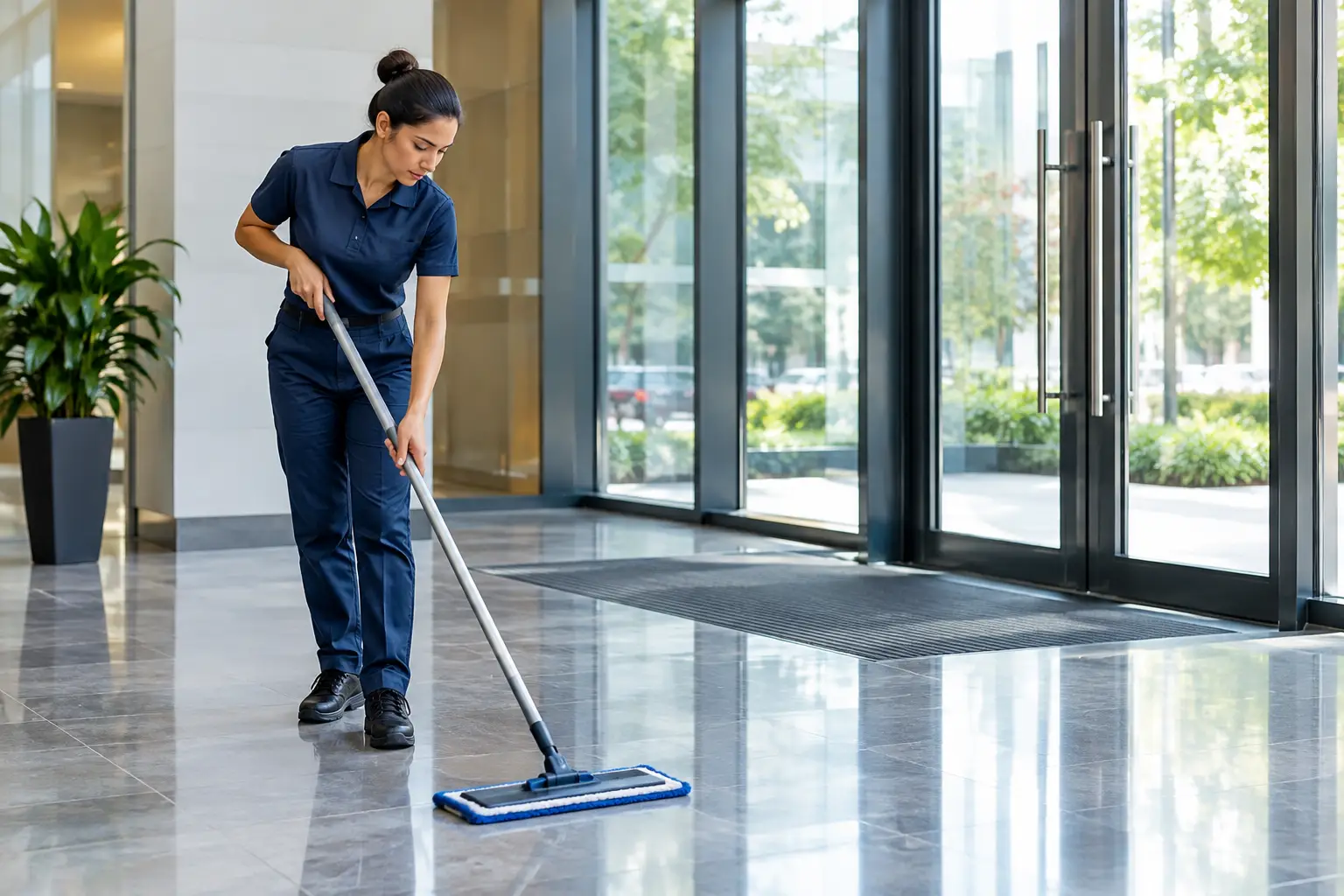
A careful service may include vacuuming edges and corners, mopping hard surfaces with appropriate products, and arranging specialty carpet or upholstery cleaning when needed. For commercial properties, strip-and-wax or floor revitalizing services may be worth considering if renovation traffic has left resilient flooring looking scuffed or dull.
Kitchens, bathrooms, and built-ins require close attention
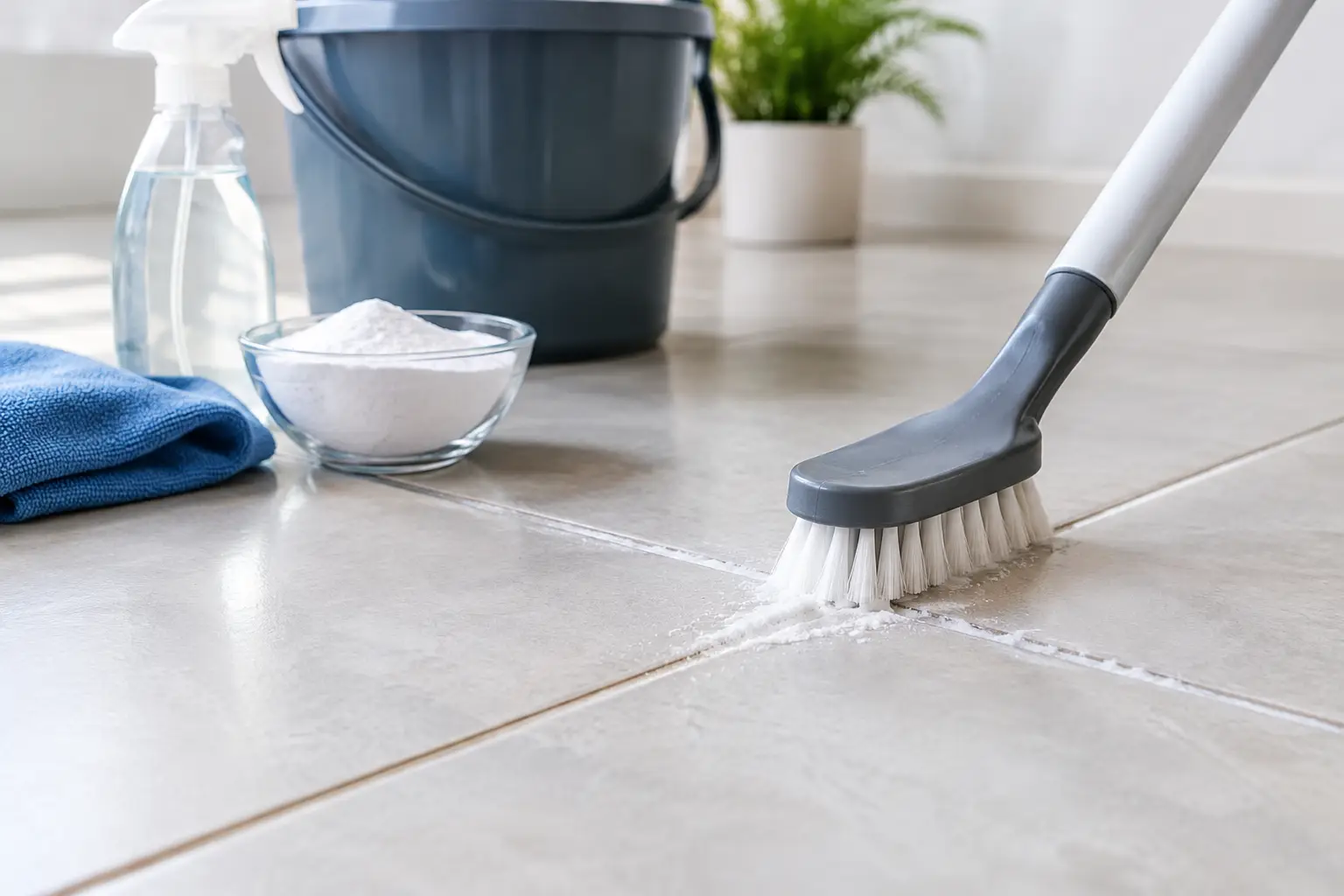
Newly renovated kitchens and bathrooms often need extra time. Dust collects inside drawers, cabinets, vanity storage, and under sinks. Tile work can leave grout haze, while new fixtures may have labels, caulk residue, or smudges that need careful removal.
It is also common to find dust inside built-in shelving, closets, pantry areas, and laundry rooms. These spaces should be cleaned before dishes, linens, office supplies, or personal belongings are put away. Starting with a clean interior prevents the need to unpack and clean everything again later.
When to schedule post-renovation cleaning
The best time to schedule cleaning is after the contractors have completed their work and removed their tools, materials, and major debris. If painters, flooring installers, electricians, or punch-list crews are still entering the space, new dust and scuffs can quickly undo the work.
For larger projects, a two-stage approach can be helpful. The first cleaning happens after the heavy work is done, removing the bulk of the dust and debris. A final touch-up cleaning takes place after contractors finish minor repairs, install final hardware, or complete inspections. This approach is especially useful for property managers preparing a unit for a new tenant or business owners opening a remodeled location.
If you are moving into a newly renovated home, schedule cleaning before movers arrive. If you manage a short-term rental, plan service before restocking linens, décor, and guest supplies. The fewer items in the space during the cleaning, the easier it is to reach the dust that has collected in corners and storage areas.
What to handle before the cleaners arrive
A cleaning team can work more efficiently when the renovation site is ready. Contractors should remove lumber, scrap materials, nails, sharp objects, paint cans, and other job-related debris. Any surfaces that need special care, such as unfinished wood, natural stone, newly sealed floors, or delicate fixtures, should be identified in advance.
It also helps to confirm that water and electricity are on. Cleaners may need access to sinks, outlets, and lighting to complete detailed work safely. If there are access instructions, parking limits, alarm codes, elevator reservations, or building rules, sharing them before the appointment prevents delays.
For occupied homes, consider moving fragile décor, important documents, and valuable personal items out of the work area. A professional cleaner can handle the dust, but clear access allows them to clean more thoroughly and safely.
When specialty services make sense
Not every renovation requires the same service. A one-room project may only need a detailed cleaning of the affected area and adjacent rooms. A full remodel, however, may call for deep cleaning throughout the property, carpet cleaning, tile and grout care, or attention to upholstered furniture that was exposed to dust.
Businesses may need services tailored to their operating schedule. An office may need evening cleaning to avoid disrupting employees. A retail store may need a final polish before reopening. Rental owners may need a move-in-ready reset that includes kitchens, bathrooms, floors, and interior windows. The right plan depends on the condition of the space and how soon it needs to be used.
Be clear about what was renovated when requesting a quote. Mention drywall work, flooring installation, paint, cabinetry, demolition, tile, or any other work that created dust or residue. Photos and a walkthrough can also help determine whether the job needs standard post-renovation cleaning or a more intensive service.
Choose dependable help for the final step
After paying for a renovation, most people want to enjoy the results, not spend a weekend wiping dust from every ledge and re-cleaning floors. Reliable cleaning coordination gives homeowners, property managers, and business owners a practical way to finish the project without adding another demanding task to the schedule.
CJ Cleaning Services helps connect local customers with vetted independent cleaning professionals for customized post-renovation cleaning in Catawba County and surrounding communities. Whether the job involves a single remodeled room, a rental turnover, or a commercial space preparing to reopen, the goal is straightforward: clear the dust, restore the presentation, and help the space feel ready.
A renovation is not truly finished when the last tool leaves. It is finished when you can walk in, take a full breath, and enjoy the space you worked hard to improve.