

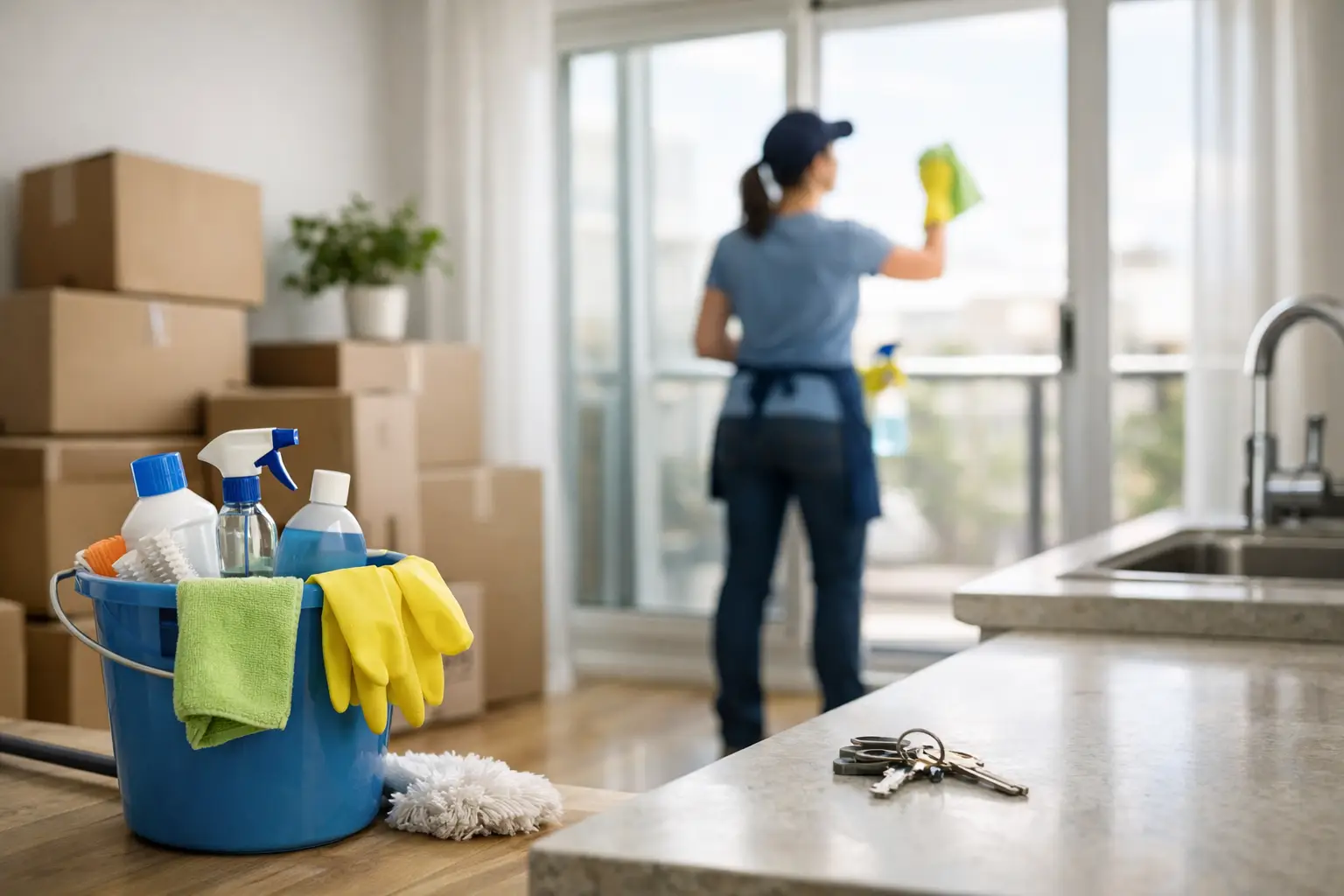
A new set of keys should feel exciting, not like a reminder that the previous occupants missed the baseboards. This move in cleaning service guide helps homeowners, renters, property managers, and landlords decide what needs attention before furniture, boxes, and daily life fill the space.
A move-in cleaning is more than a quick wipe-down. It is the opportunity to start with clean kitchen surfaces, sanitized bathrooms, dust-free floors, and a home that feels ready for your family. Whether you are moving into a recently purchased house in Hickory, a rental in Newton, or an apartment near Mooresville, handling the cleaning before move day can save time, reduce stress, and make unpacking easier.
What a Move-In Cleaning Service Should Cover
Move-in cleaning focuses on the areas that are hardest to reach once the home is furnished. Empty rooms give cleaners access to corners, shelves, closets, cabinets, and floor edges that can otherwise be overlooked during routine service.
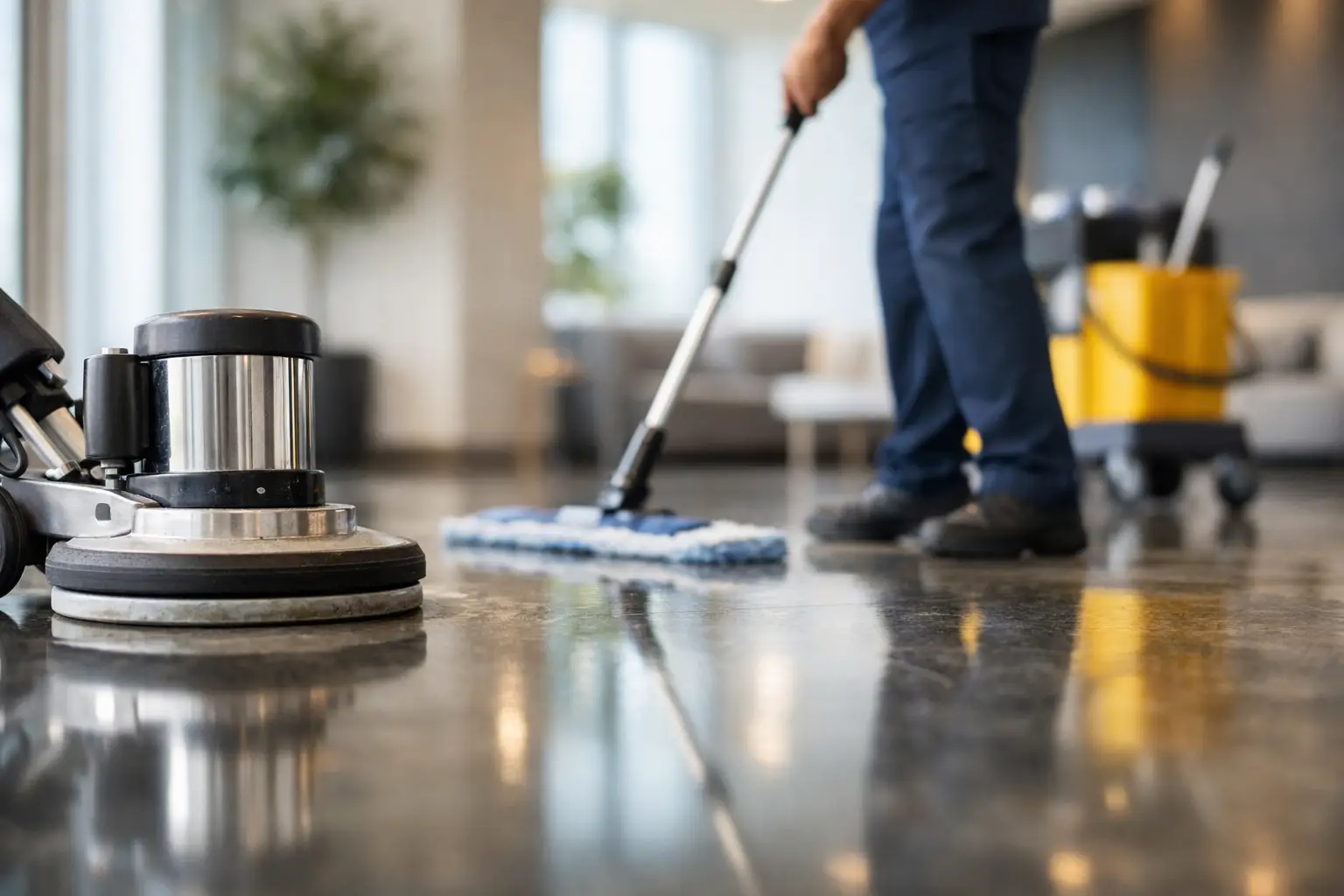
A standard move-in cleaning commonly includes wiping accessible surfaces, dusting ceiling fans and trim, cleaning interior windows where requested, vacuuming and mopping floors, and removing dust or debris from closets. In kitchens, the work should focus on counters, sinks, cabinet exteriors and interiors when empty, appliance exteriors, and the areas around appliances that are accessible. Bathrooms typically receive detailed attention to toilets, tubs, showers, sinks, mirrors, fixtures, and tile surfaces.
The exact scope should match the home’s condition. A property that was professionally cleaned after a sale may only need a refresh before move-in. A home that has been vacant for months, recently renovated, or left in poor condition may need a deeper service and specialty work. Clear expectations matter more than a one-size-fits-all checklist.
When to Schedule Your Move-In Cleaning
The best time for a move-in cleaning is after the previous residents have fully moved out and before movers arrive. Ideally, schedule service one to three days before your planned move date. That window gives you time to inspect the results, address any property maintenance issues, and keep the home empty while cleaning is completed.
If you are closing on a home the same day you move, timing can be tighter. In that case, prioritize the kitchen, bathrooms, bedrooms, and floors first. These are the spaces that affect comfort most immediately. You can arrange follow-up cleaning for garages, storage rooms, blinds, or other lower-priority areas after you are settled.
For rental properties, confirm access with the landlord or property manager before booking. Ask whether utilities will be active, whether the prior tenant’s cleaning is already scheduled, and when keys or entry codes will be available. A cleaner cannot properly inspect lighting, run water, or clean many surfaces without working electricity and water.
A Practical Move In Cleaning Service Guide for Your Walk-Through
Before requesting a quote, walk through the property with your phone and make notes room by room. Photos are helpful when there are visible concerns such as grease buildup, stained grout, pet hair, construction dust, or heavily soiled appliances. This allows the cleaning team to recommend the right level of service and provide more accurate pricing.
Start with the kitchen. Open cabinets and drawers, look inside the refrigerator and oven, and inspect the sink, backsplash, pantry, and floor edges. Grease behind the stove, crumbs in drawers, and residue inside appliances are common move-in concerns. If you want the inside of the refrigerator, oven, cabinets, or drawers cleaned, say so clearly when scheduling. These details are often separate from a basic cleaning scope because they require additional time.
Then check each bathroom for soap residue, mineral buildup, mold or mildew concerns, hair, and dust around fixtures. Cleaning can improve the appearance of many surfaces, but damaged caulk, cracked tile, rust, or persistent staining may be maintenance issues rather than cleaning issues. Document anything that should be addressed by the landlord, seller, or contractor before service begins.
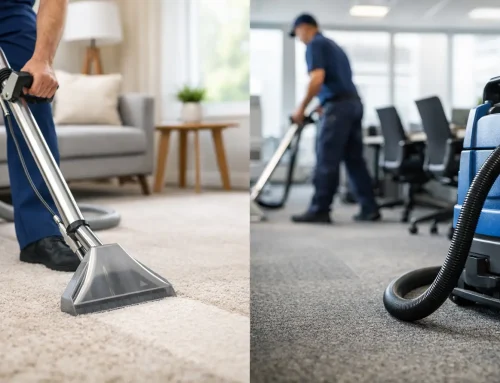
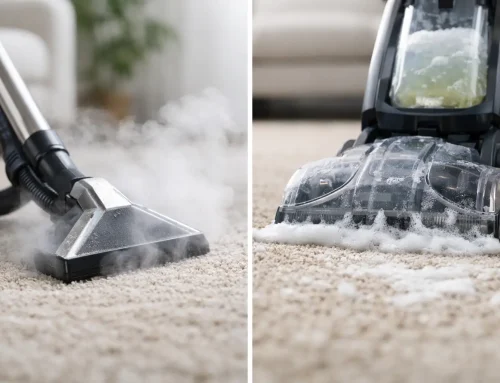
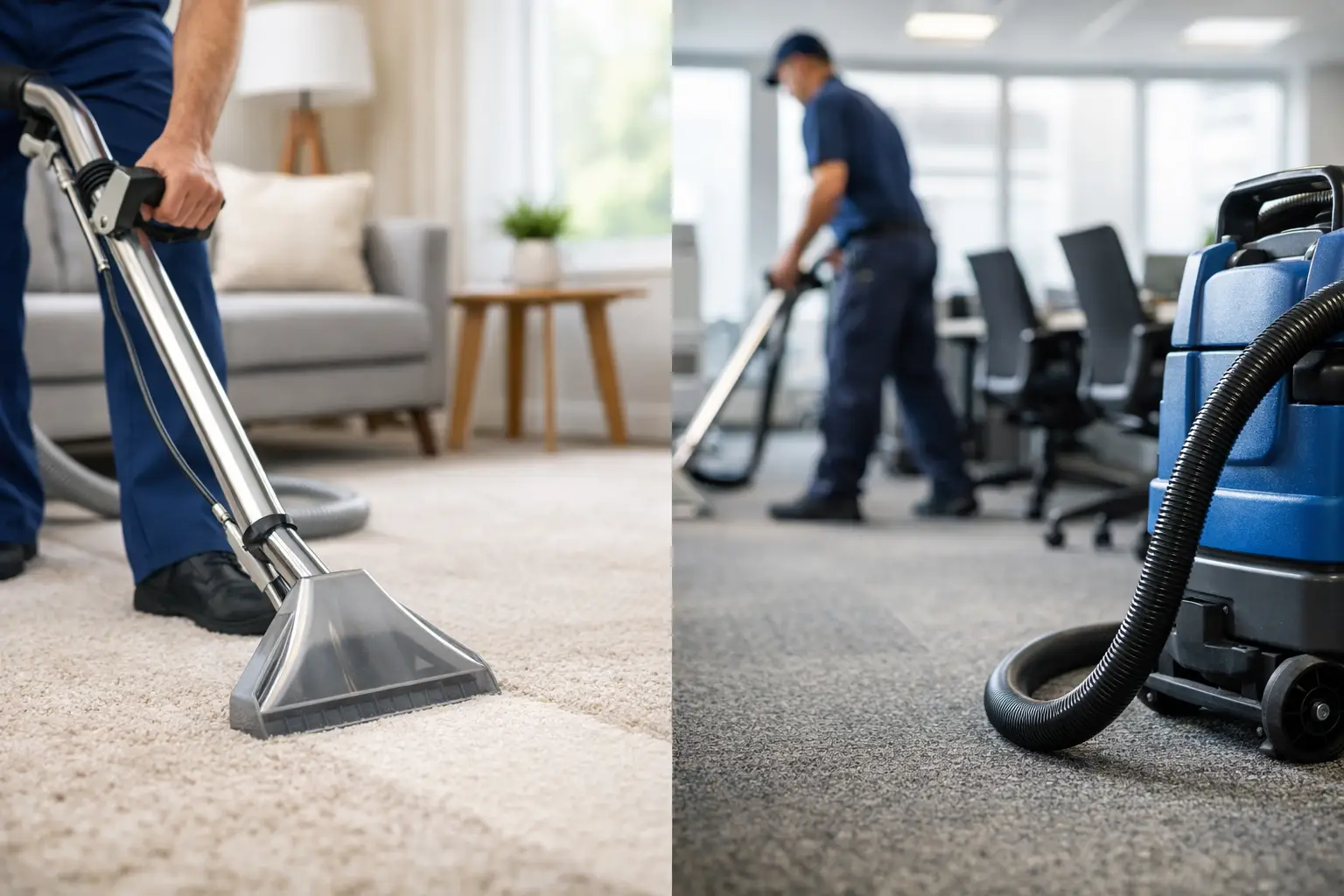
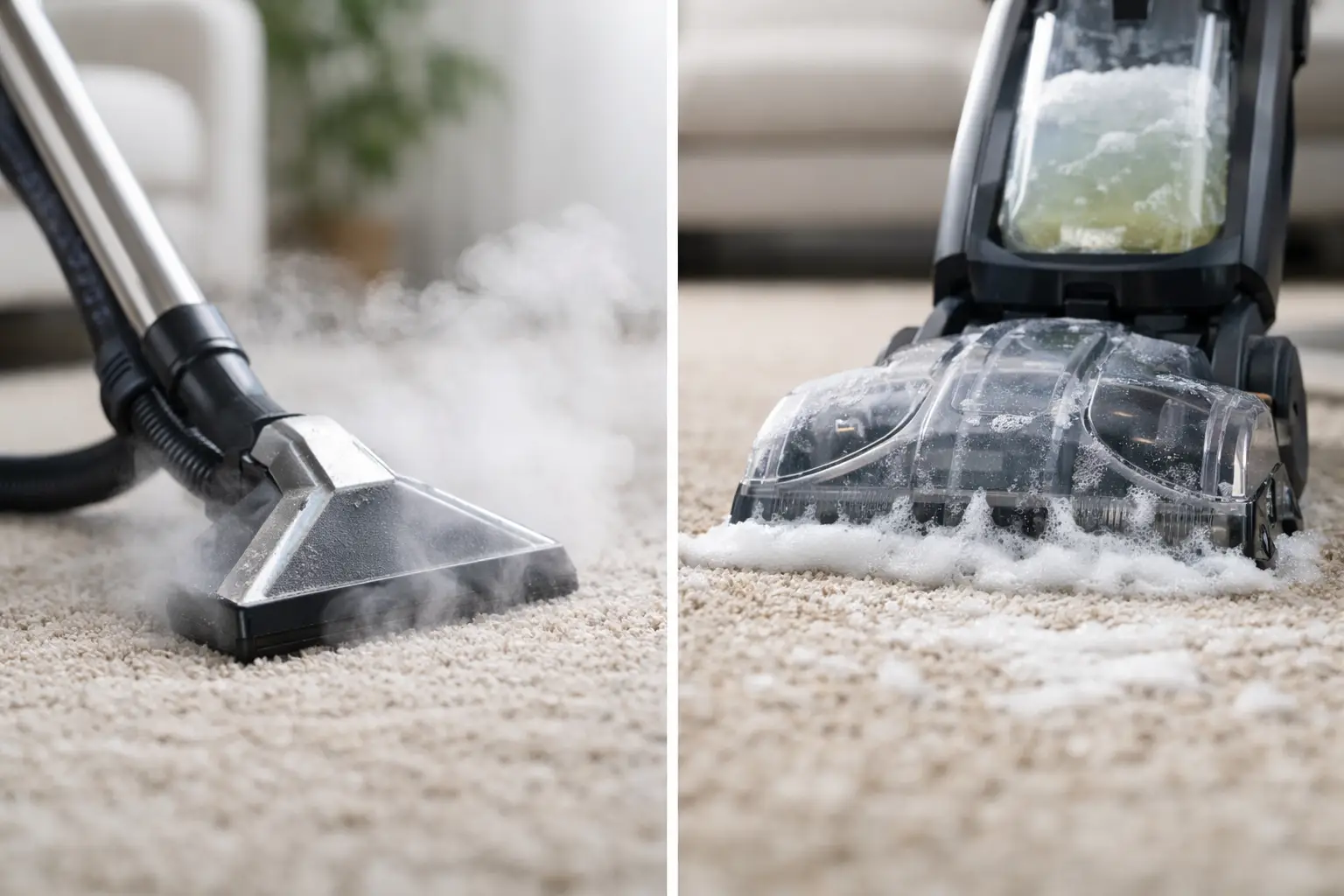
In bedrooms and living areas, pay close attention to vents, ceiling fans, blinds, window tracks, baseboards, closets, and flooring. Empty closets often reveal dust, debris, or shelving that needs wiping. If the home has carpet, consider whether a professional carpet cleaning is needed before your belongings arrive. Vacuuming removes surface debris, while carpet cleaning is better suited for embedded dirt, odors, and noticeable traffic patterns.
Choose Services Based on the Home’s Condition
Not every move requires the same cleaning plan. A thoughtful service plan prevents you from paying for work you do not need while making sure important areas are not missed.
A standard empty-home cleaning may be the right fit when the property is already in good condition and needs a final reset. A deep cleaning is often a better choice for homes with accumulated dust, grease, soap scum, pet hair, or neglected details. Post-renovation cleaning is designed for fine dust and debris left after painting, flooring, drywall, or remodeling work. It may require multiple visits if contractors are still completing final tasks.
Specialty services can also make a noticeable difference. Carpet cleaning can help refresh bedrooms and living areas before beds and sofas are in place. Tile and grout cleaning may be worthwhile in older bathrooms, entryways, and kitchens where mopping alone cannot lift buildup. Upholstery cleaning can be scheduled separately for furniture you are bringing from your previous home.
Be realistic about what cleaning can accomplish. Professionals can remove soil, residue, and many common stains, but they cannot repair damaged flooring, replace worn grout, eliminate all permanent discoloration, or correct poor workmanship. A dependable provider will be clear about those limits before the appointment.
How to Prepare Before the Cleaners Arrive
An empty home is the ideal setup, but a little preparation still helps the visit go smoothly. Confirm that water and electricity are on, secure pets, and provide clear access instructions. If the home is in a gated community or a large apartment complex, make sure the cleaner has the correct building information, gate code, and parking guidance.
Remove any remaining personal items, boxes, trash, or renovation materials from the areas being cleaned. If you want certain rooms prioritized, label them or communicate the order in advance. This is especially useful when access is limited or you are working around movers, painters, flooring installers, or delivery schedules.
Keep a short list of requested add-ons ready. Interior cabinets, interior appliances, blinds, window tracks, and heavily soiled floors can all affect the time needed. The more specific you are before the appointment, the easier it is to receive a service plan that matches the home and your budget.
Why Vetted Cleaning Support Matters During a Move
Moving creates enough coordination on its own. You may be managing utility transfers, closing paperwork, lease requirements, contractors, deliveries, and work schedules all at once. Cleaning should not become another uncertainty.
Working with a local service coordinator gives you a clearer path from quote request to scheduled service. CJ Cleaning Services connects clients in Catawba County and nearby communities with vetted independent cleaning professionals, helping make it easier to arrange dependable cleaning support for the home, rental, office, or short-term property in front of you.
Trust also comes from communication. Confirm the service date, arrival window, scope of work, access instructions, and payment process before the appointment. If your move date changes, notify the provider as early as possible. Flexible scheduling is valuable, but advance notice gives everyone the best chance to adjust without disrupting your move.
Protect Your Fresh Start After Cleaning
Once the cleaning is complete, do a final walk-through before movers unload. Check the areas you identified as priorities and make sure the home is ready for belongings. This is also the right time to photograph pre-existing damage, note maintenance needs, and replace or rekey locks if you have not already done so.
As boxes come in, consider using doormats, removing shoes indoors, and unpacking one room at a time. Those small habits help protect freshly cleaned floors and keep dust from spreading through the home. If you are moving into a larger property or know your schedule will be full after the move, arranging recurring cleaning can help you maintain the clean start you worked hard to create.
The goal is not a picture-perfect house for one afternoon. It is walking into a space that feels cared for, comfortable, and ready to become yours.