


The night before a cleaning appointment is usually when people realize the same thing: they want the cleaners to come, but they are not sure what they are supposed to do first. If you have ever wondered how to prepare for cleaners without wasting time or overthinking it, the good news is that preparation is usually simple. A few small steps can make the visit smoother, faster, and more productive.
You do not need to pre-clean your home. That defeats the purpose. What helps is making the space accessible so the cleaner can focus on actual cleaning instead of spending the appointment moving clutter, sorting personal items, or trying to guess what should stay and what should go. When the home is ready, you get more value from the service and a better result where it matters most.
How to Prepare for Cleaners Without Doing Their Job
The best preparation is not scrubbing sinks or vacuuming floors. It is clearing the path so those tasks can be done thoroughly. Think of it this way: cleaners are there to clean surfaces, floors, kitchens, bathrooms, and living spaces. If those areas are covered with laundry, paperwork, toys, or unopened packages, part of the appointment can get used on basic pickup instead of detailed work.
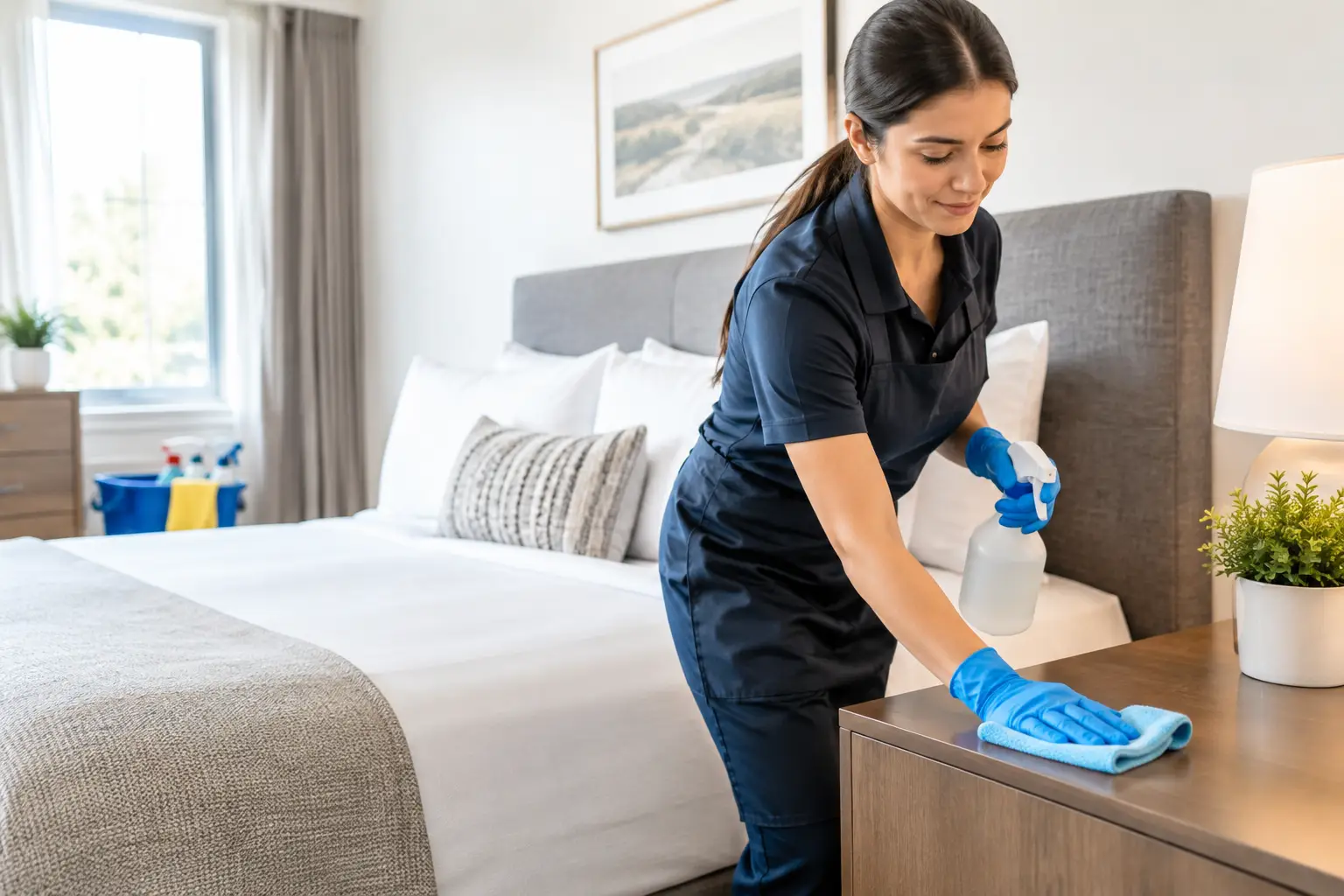
A quick reset goes a long way. Put dirty clothes in hampers, stack dishes or load the dishwasher if you can, and move everyday clutter off counters, tables, and floors. In bathrooms, place personal toiletries in a basket or drawer if possible. In bedrooms, clear nightstands and dressers enough for dusting. These are small tasks, but they make a real difference.
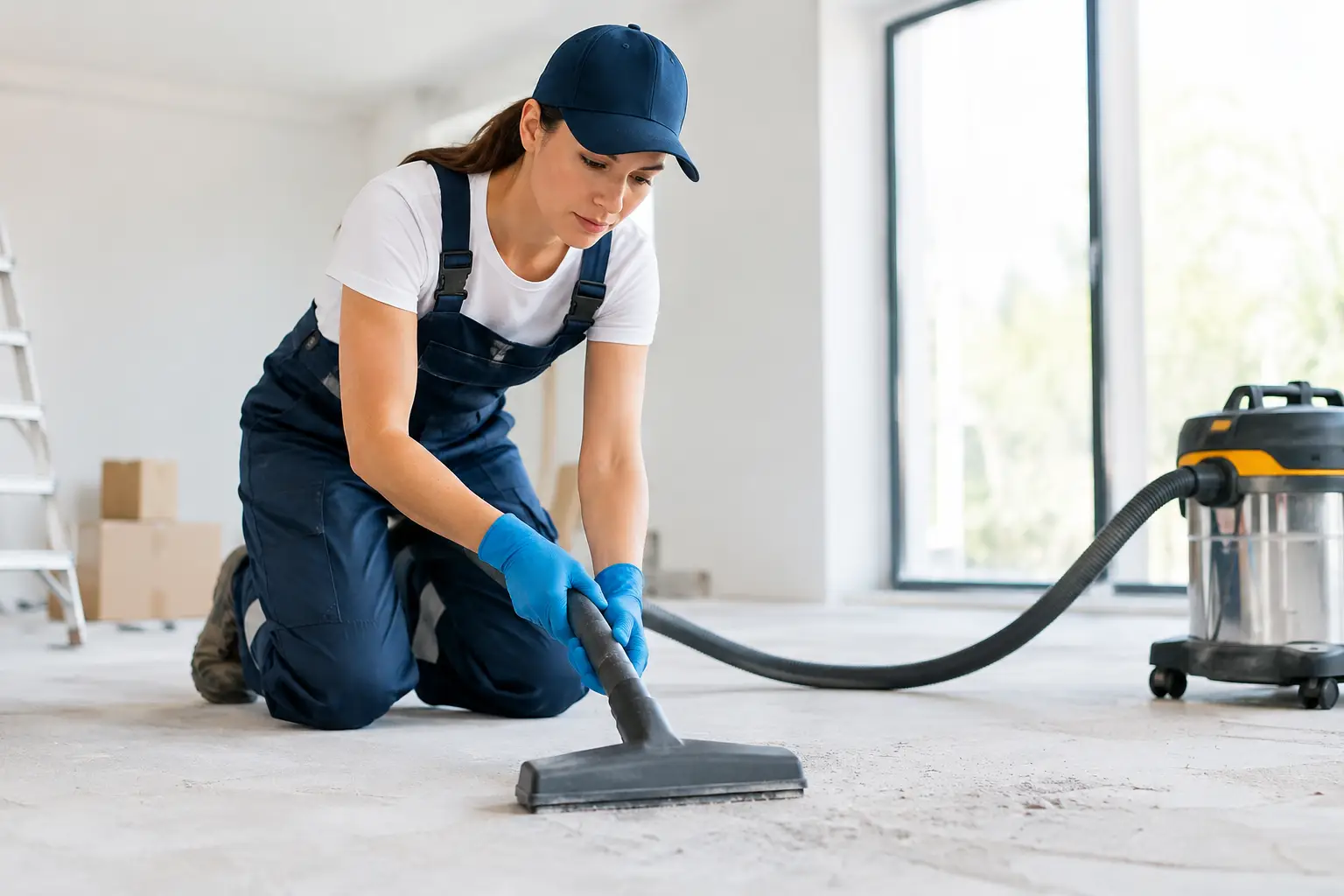
If you are booking a deep cleaning, move-in or move-out cleaning, or post-renovation service, the amount of prep may vary. A lived-in home with heavy buildup needs one kind of access. An empty property needs another. The right level of preparation depends on the service you booked, so it helps to think about what the cleaners will actually need to reach.
Focus on Access, Not Perfection
People often assume they need to tidy every corner before the team arrives. In reality, you do not need perfection. You need access. That means clear floors in the rooms being cleaned, open routes between spaces, and enough room around sinks, tubs, kitchen counters, and furniture for a cleaner to work safely and efficiently.
If there are rooms you do not want cleaned, close the doors or mention that in advance. If there are rooms that matter most, say so. Clear communication can be more useful than extra prep. A cleaner can work around normal daily living, but they should not have to guess your priorities.
This matters even more for busy households. If you have children, pets, or a full work schedule, your goal is not to make the home look untouched. Your goal is to remove the things that slow a cleaning visit down.
What to Put Away Before a Cleaning Visit
Start with anything personal, fragile, or easy to misplace. Jewelry, cash, medications, confidential paperwork, chargers, and small electronics should be put somewhere secure. This protects your belongings and avoids confusion during the appointment.
Then think about breakables and sentimental items. If you have delicate decor, family heirlooms, or unstable items on shelves or side tables, it is smart to move them before service day. Even careful professionals work faster when they are not navigating around valuables in every room.
Pet items also deserve a quick check. Move food bowls if they are in the way, secure leashes and toys, and decide where pets will be during the visit. Some animals are calm around cleaning activity. Others are stressed by vacuums, door movement, or unfamiliar people. It depends on the pet and the setup of your home.
Kitchen and Bathroom Prep Makes the Biggest Difference
If you only have time to prep two spaces, choose the kitchen and bathrooms. These areas usually take the most detailed work and show the quickest visual improvement after a professional cleaning.
In the kitchen, clear countertops of mail, small appliances you do not use daily, grocery bags, and random items that collect near the sink. If the sink is full of dishes, that can limit how much attention goes to scrubbing and disinfecting the sink area itself. Some cleaning services will work around dishes, but if you want the most thorough result, an empty sink helps.
In bathrooms, remove used towels from the floor, put away toothbrushes and razors, and clear the vanity as much as possible. If the shower ledge is packed with bottles, the cleaner may not be able to fully clean around them. Again, the issue is not whether your home looks perfect. The issue is whether the surfaces can be reached.
How to Prepare for Cleaners in Homes With Kids or Pets
Family homes need a practical approach. If you have toys spread across the living room or bedrooms, gather them into bins before the appointment. If school papers, backpacks, and shoes tend to collect by the door, move them to a set spot. The cleaner does not need a staged home, but open floor space allows better vacuuming, mopping, and dusting.
With pets, it helps to plan ahead. Some owners prefer to crate their dog, keep pets in a separate room, or take them out during the appointment. Others simply let the cleaner know which animals are in the home and what to expect. What works best depends on the pet’s comfort level and how much movement will happen during the visit.
If there are litter boxes, pet accidents, or strong odors in certain areas, mention that upfront. That is not embarrassing. It is useful information that helps the cleaner come prepared and set realistic expectations for the service.
Communicate Special Requests Before the Appointment
One of the easiest ways to get better results is to be specific before the cleaning starts. If the main concern is soap scum in the primary bath, dust on ceiling fans, fingerprints on glass doors, or baseboards in high-traffic areas, say so. A clear priority list helps the appointment stay focused.
This is especially important for first-time cleanings, deep cleans, and move-related services. A recurring service often becomes more predictable after the first visit, but the first appointment usually works best when expectations are clearly discussed. If there are areas that need extra time, heavy buildup, or special handling, mention them in advance rather than hoping they will be noticed on the spot.
For homeowners, renters, and property managers, access details also matter. If there is a gate code, alarm instructions, a lockbox, or a preferred entry point, make that clear before arrival. A smooth start prevents delays and helps the cleaner get right to work.
Should You Stay Home During the Cleaning?
Either option can work. Some clients prefer to be home to answer questions, point out priorities, or manage pets. Others would rather leave and come back to a clean space. There is no single right answer.
If you stay home, it helps to give the cleaner room to work. Try to avoid using the same room at the same time, especially kitchens and bathrooms. If you leave, make sure the cleaner has a reliable way to enter and secure the home afterward.
For commercial spaces, rental turnovers, and offices, access planning matters even more. If the cleaner is coming after hours or between guests, timing, keys, and task scope should be settled ahead of time so there is no confusion when the service begins.
What Not to Worry About
A lot of clients stress over things that do not need to be stressful. Dust happens. Floors get tracked up. Bathrooms get used. That is normal. Professional cleaners expect to walk into homes and businesses that actually live and work in their spaces.
What you do not need to do is apologize for the mess, rush through a full cleanup before they arrive, or feel like your home has to look service-ready. A cleaner is there to help. The prep is simply there to make that help more effective.
If you are using a trusted local service or referral agency, the process should feel organized from the start. That means clear scheduling, straightforward expectations, and vetted professionals who know how to work efficiently in occupied homes, rentals, and business settings. At CJ Cleaning Services, LLC, that practical, customer-first approach is a big part of making cleaning easier for busy clients across our area.
The simplest way to think about how to prepare for cleaners is this: put away what is personal, clear what is blocking access, and speak up about what matters most. That is usually all it takes to turn a cleaning appointment into real relief instead of one more thing to manage.