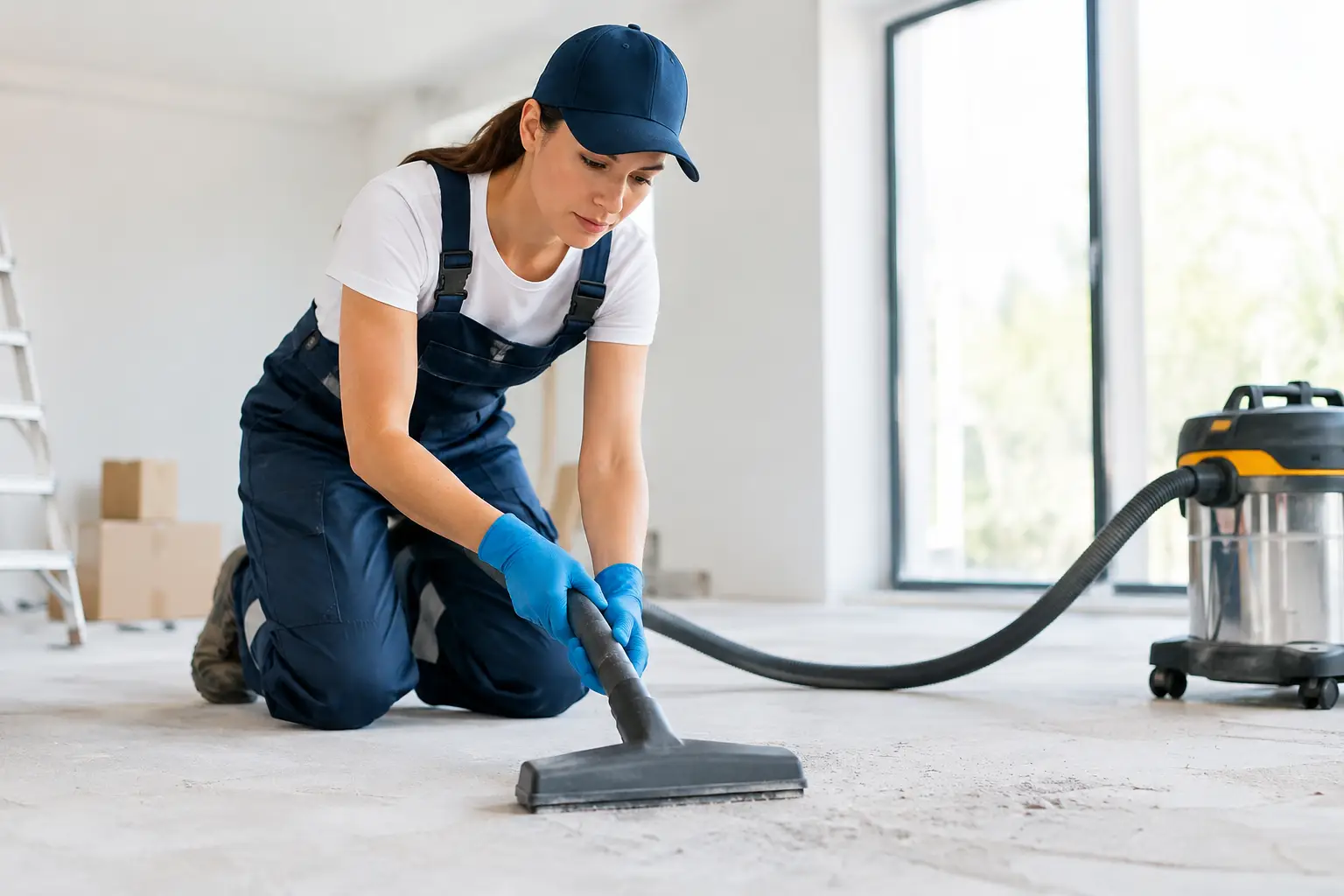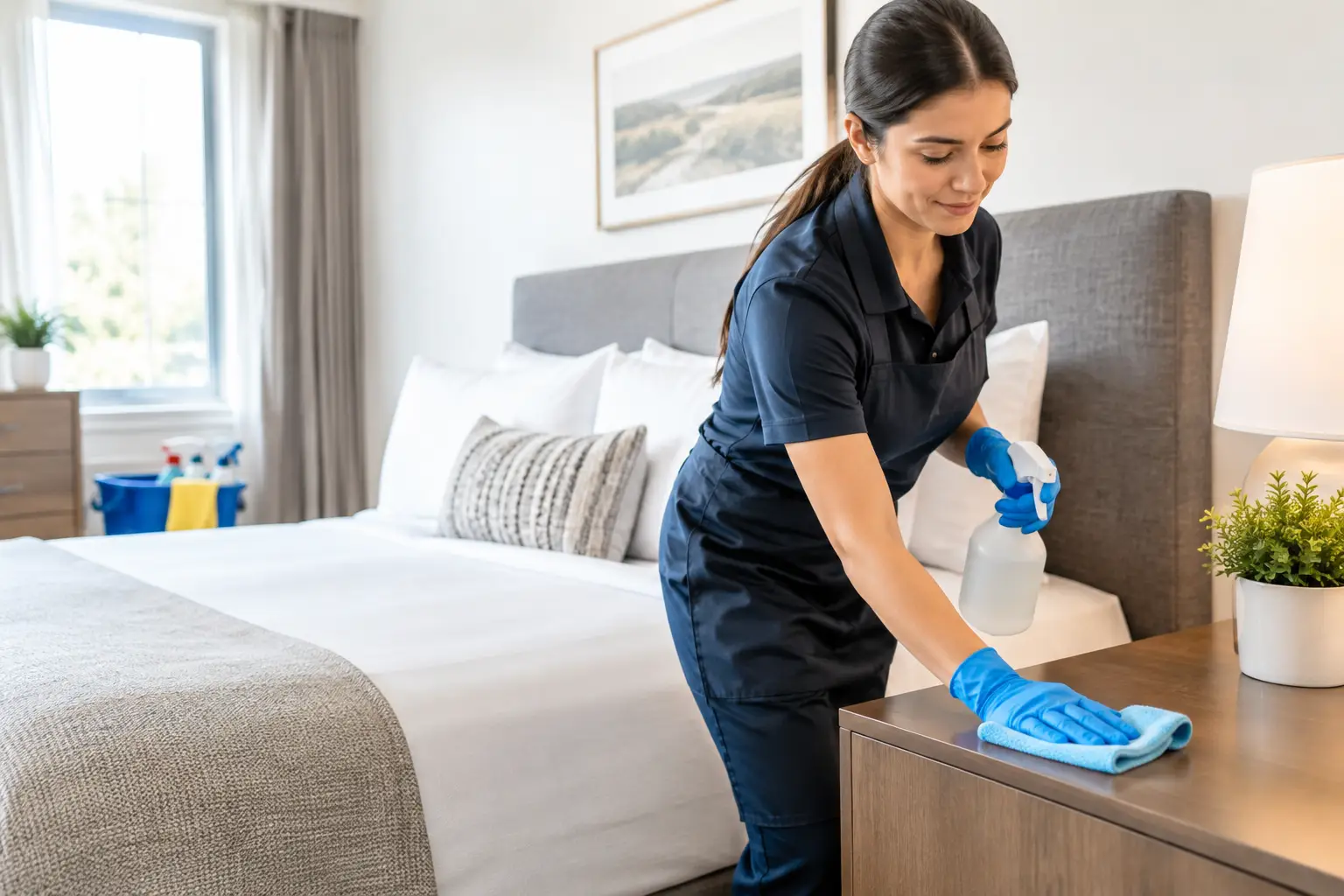



Fresh paint, new floors, and updated fixtures can make a space feel brand new. What most people do not expect is how much dust, film, and leftover debris remain after the contractors leave. If you have been wondering how post renovation cleaning works, the short answer is this: it is a detailed cleaning process designed to remove construction dust, fine particles, adhesive residue, and job-site mess so the space is safe, presentable, and ready to use.
This is not the same as a standard house cleaning. Post-renovation work requires a more methodical approach because renovation dust travels farther than most people realize. It settles on baseboards, vents, light fixtures, inside cabinets, and even walls. In offices, rental properties, and commercial spaces, it can also affect first impressions fast.
How post renovation cleaning works in real spaces
The process usually starts with a walk-through. Before any cleaning begins, the cleaner needs to understand what kind of work was completed, which rooms were affected, and whether the renovation is fully finished. That last point matters. If painters, flooring crews, or installers are still coming back, cleaning too early can waste time and money.
A proper walk-through also helps identify problem areas. Maybe drywall dust settled into window tracks, stickers were left on new glass, or grout haze is still visible on tile. In some homes, the mess is mostly fine dust. In others, there may be sawdust, caulk smears, packaging material, and footprints from multiple trades.
Once the condition of the space is clear, cleaning is usually done from top to bottom. Ceiling fans, vents, ledges, trim, and other high surfaces are addressed first so dust does not fall onto already-cleaned areas. After that, attention shifts to walls, doors, fixtures, counters, cabinets, appliances, and floors.
Why post-renovation cleaning takes more than one pass
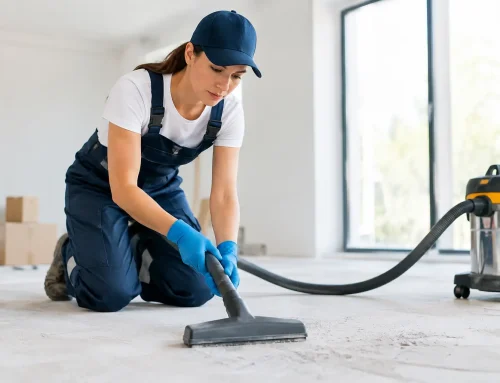
One of the biggest misunderstandings about this service is assuming everything can be handled in a single quick visit. Renovation dust is extremely fine, and it tends to resettle. Even after vacuuming and wiping, particles can continue to show up on horizontal surfaces.
That is why experienced cleaners work in stages. The first pass removes loose debris and heavy dust. The next pass targets residue, smudges, and finer particles. Depending on the project, a final detail clean may be needed to get glass, trim, floors, and fixtures looking finished rather than just less messy.
This matters even more in homes with children, pets, or anyone sensitive to dust. In a business setting, it matters because clients, employees, or tenants notice the small details. A newly renovated space should look complete, not almost complete.
What gets cleaned after a renovation
Post-renovation cleaning is built around the areas contractors often leave behind. Floors are an obvious priority, but they are only part of the job. Fine dust settles on window sills, blinds, door frames, molding, shelving, and inside closets. It can collect on light fixtures and cling to walls. Kitchen and bathroom renovations often leave behind splatter, adhesive residue, and cabinet dust both inside and out.
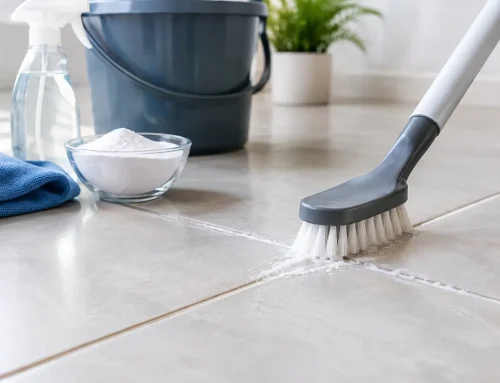
Glass usually needs extra attention. New mirrors, shower doors, and windows may have stickers, fingerprints, or haze from nearby work. Floors also vary. Tile may need grout haze removal. Hardwood and vinyl require careful cleaning methods that remove dust without damaging the surface. Carpeted rooms often need deep extraction if construction traffic or debris reached the fibers.
Air movement makes a difference too. Vents, returns, and nearby surfaces may hold more dust than expected. While cleaning is not a replacement for full HVAC servicing, addressing visible dust around vents and accessible surfaces helps reduce what keeps circulating after the job is done.
What professional cleaners look for that homeowners often miss
Most people can spot scraps on the floor and dust on countertops. The harder part is noticing the less visible residue that keeps a space from feeling truly clean. Professionals check edges, corners, window tracks, cabinet interiors, trim lines, and the tops of doors. They also look for paint specks, tape residue, caulk smudges, and footprints left on hard floors.
Another common issue is cleaning the wrong way. Dry dusting can push particles into the air instead of removing them. The wrong vacuum can also spread fine dust rather than contain it. That is one reason post-renovation cleaning often calls for more specialized tools, better filtration, and a clear sequence.
For busy homeowners and property managers, that sequence saves time. Instead of recleaning the same room three times, the work is done in an order that reduces rework and gets the property ready faster.
Timing matters more than people think
If you schedule cleaning too soon, other trades may undo it. If you wait too long, dust and residue can become harder to remove. The best time is usually after all construction and touch-ups are complete, but before move-in, staging, reopening, or guest arrival.
For residential projects, that could mean cleaning right before the family starts using the room. For rental turnovers, it may mean scheduling service after repairs are complete but before photos or check-in. For offices and storefronts, it often means coordinating around opening dates and staff schedules.
This is where a flexible, organized service model helps. When scheduling is handled clearly and expectations are set up front, there is less guesswork about when the cleaner should arrive and what the space should be ready for.
Homes, rentals, and commercial spaces all need a different approach
The basics stay the same, but the priorities shift depending on the property. In a home, comfort and health usually come first. People want dust removed from living areas, bedrooms, kitchens, and bathrooms so the space feels settled and safe.
In a rental property, speed and presentation may be the top concerns. The unit needs to be clean enough for walkthroughs, photos, or a new tenant without delays. In short-term rentals, the standard is even more visual. Guests notice smudges on glass, dust on furniture, and debris in corners right away.
Commercial properties add another layer. Cleanliness affects staff morale, customer perception, and day-to-day operations. A renovated office lobby, restroom, or breakroom needs to look polished, but it also needs to be functional and ready for use on schedule.
What can affect the price and scope
Post-renovation cleaning is not one-size-fits-all. A single remodeled bathroom is very different from a full-home renovation or a commercial build-out. Pricing and scope usually depend on the size of the property, how much dust and debris are present, which surfaces need detail work, and whether specialty services like carpet cleaning or floor care are needed.
Condition matters as much as square footage. A small project with heavy dust in every room can take more labor than a larger space with contained work. Accessibility, furniture placement, and how finished the project really is also play a role.
That is why personalized quotes are important. They help match the service to the actual condition of the property instead of relying on rough assumptions.
How to prepare for a post-renovation cleaning visit
The best results happen when the renovation is fully complete and the space is ready for cleaning. That means tools, materials, and contractor debris should be removed first unless debris haul-away is specifically part of the service. Touch-up work should also be done before the cleaning appointment whenever possible.
If utilities are on and the cleaner has clear access to the property, the process moves faster. It also helps to point out any areas of concern ahead of time, such as sticker residue on windows, dust inside cabinets, or floors that need extra care.
For clients who want convenience, this is where a professional, coordinated process makes a difference. A service like CJ Cleaning Services, LLC helps connect customers with vetted cleaning professionals so the job gets handled with less stress and more clarity from the start.
The real goal is a space that feels finished
Renovation changes how a space looks, but cleaning changes how it feels. Without that final step, even excellent construction work can still feel incomplete. Dust on trim, residue on glass, and debris in corners can pull attention away from everything you just invested in.
A good post-renovation cleaning does more than tidy up. It helps your home feel livable again, your rental feel guest-ready, and your business feel prepared to welcome people back. When the cleaning is done right, the project finally looks the way it was meant to.