A missed trash can, fingerprints on the front door, or a restroom without soap can change how employees and visitors feel about your business. The best office cleaning checklist is not just a list of chores. It is a clear routine that protects your workplace presentation, supports employee comfort, and helps your team stay focused on its work.
For offices in Hickory, Newton, Maiden, Lincolnton, and nearby North Carolina communities, the right schedule depends on foot traffic, business hours, the number of employees, and whether customers visit your space. A small professional office may only need detailed cleaning once a week. A busy medical, retail, or customer-facing workplace may need attention every day.
What a Good Office Cleaning Checklist Should Cover
A useful checklist separates tasks by frequency instead of expecting one cleaning visit to handle everything. Daily work keeps the space sanitary and presentable. Weekly work handles buildup that employees may not notice right away. Monthly and seasonal tasks preserve floors, furniture, and the overall condition of the building.
It should also account for the areas people judge first: entrances, reception areas, restrooms, break rooms, and shared workspaces. Those spaces receive the most traffic and have the greatest effect on employee morale and customer confidence.
Before setting a schedule, walk through your office at the end of a typical business day. Look for overflowing wastebaskets, dusty surfaces, smudged glass, crumbs in shared spaces, and spots on floors. That walkthrough will show you where your checklist needs more frequent attention.
Daily Office Cleaning Checklist
Daily cleaning is about keeping high-touch and high-traffic areas ready for the next workday. If your office has visitors, this work is especially important because it keeps the space looking cared for from the moment someone walks in.
- Empty wastebaskets and replace liners as needed, including restroom and break room trash.
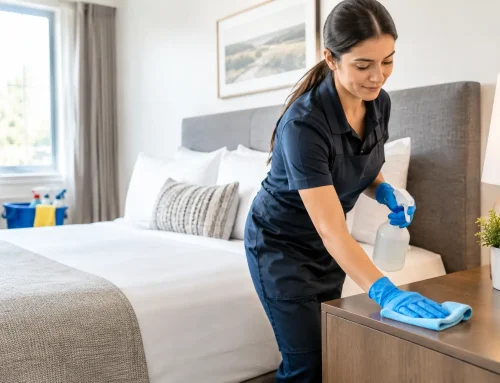
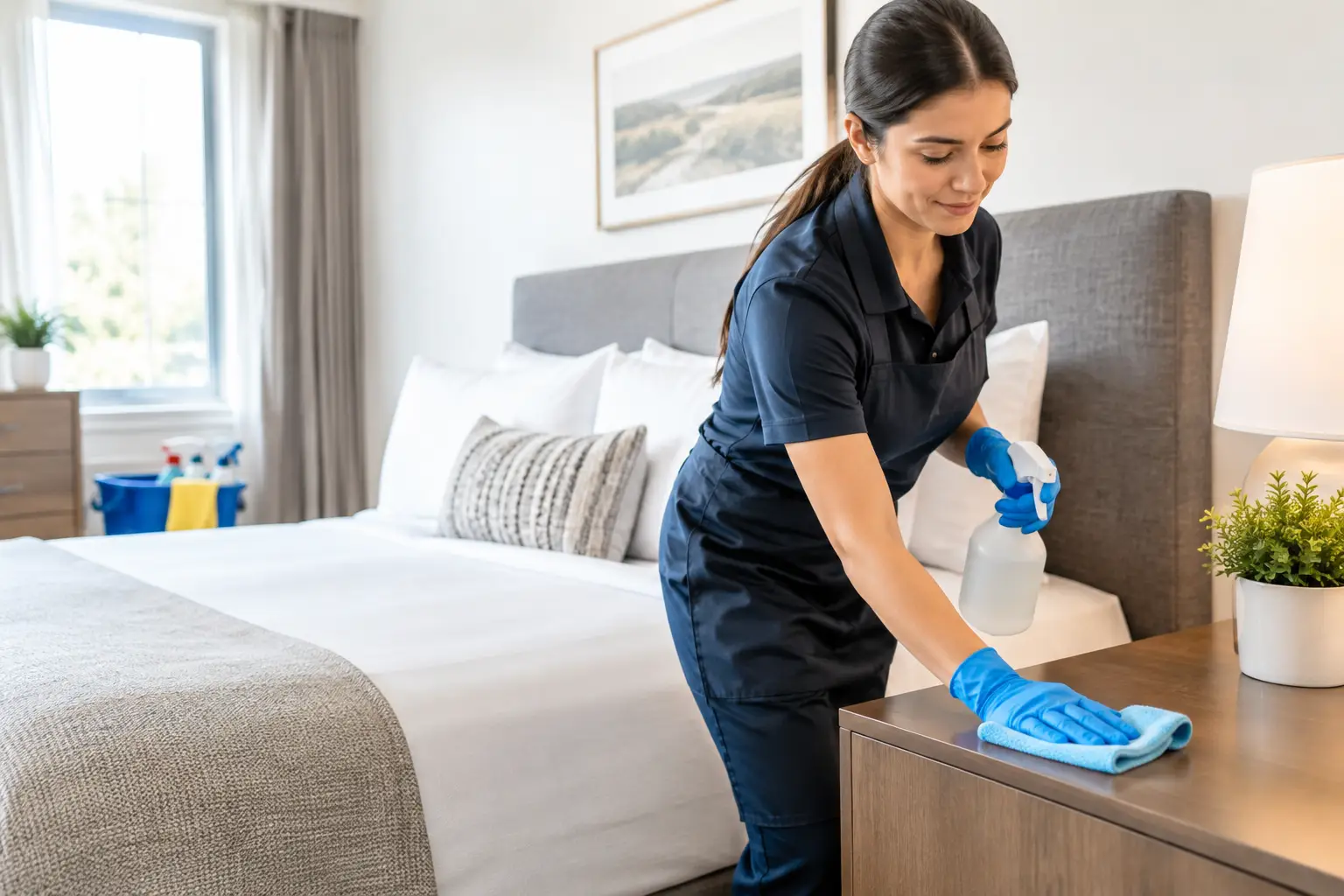
- Wipe and disinfect high-touch points such as door handles, light switches, elevator buttons, handrails, shared phones, and copier controls.
- Clean and restock restrooms with toilet paper, hand soap, paper towels, and other required supplies.
- Wipe restroom sinks, counters, mirrors, toilets, and stall doors. Mop floors when needed.
- Clean break room counters, tables, sink areas, and appliance handles. Remove food debris and empty the refrigerator of expired items on the assigned day.
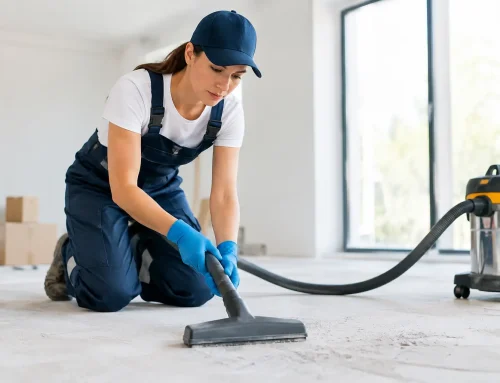
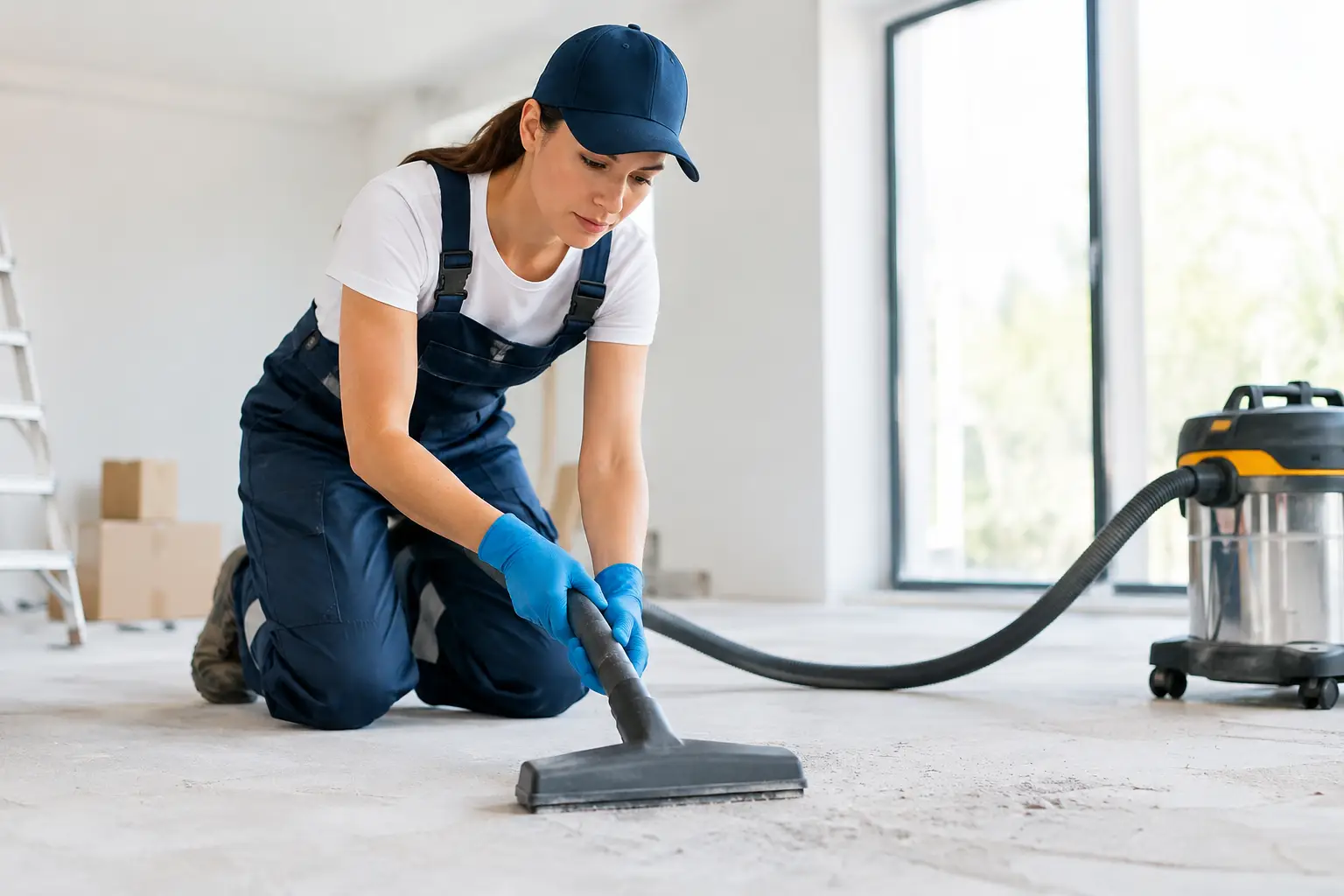
- Vacuum carpets and rugs in entrances, hallways, reception, and other high-traffic areas. Sweep or dust mop hard floors.
- Spot-clean glass doors, interior windows, entry panels, and visible fingerprints on walls or partitions.
Not every desk needs to be cleaned daily. In many offices, personal desks contain confidential paperwork, electronics, or personal items. A better approach is to clean shared surfaces and have employees clear their work areas before scheduled service. This protects privacy while allowing cleaners to work efficiently.
Weekly Office Cleaning Tasks
Weekly service handles the details that make an office feel consistently maintained instead of merely picked up. These tasks are particularly valuable in workplaces that look clean at a glance but collect dust, spills, and grime over several days.
Reception, conference rooms, and common areas
Dust accessible furniture, ledges, baseboards, picture frames, and vents. Wipe down reception counters, conference tables, chairs, and shared equipment. Vacuum upholstered seating and clean glass tabletops or interior glass partitions.
Conference rooms deserve special attention. They are often where clients, vendors, and prospective employees spend time. Clear visible crumbs, clean table edges, sanitize shared remotes and controls, and make sure trash containers are empty before the next meeting.
Break rooms and kitchens
Deep-clean microwave interiors, wipe cabinet fronts, clean the outside of refrigerators, and sanitize tables and chairs. Mop the floor thoroughly, paying attention to corners, under tables, and the area around trash cans.
The office kitchen can need more frequent service than the rest of the building. If employees eat on-site every day, a midweek touch-up may be worth adding. It costs less time than dealing with odors, sticky floors, or pest concerns later.
Restrooms
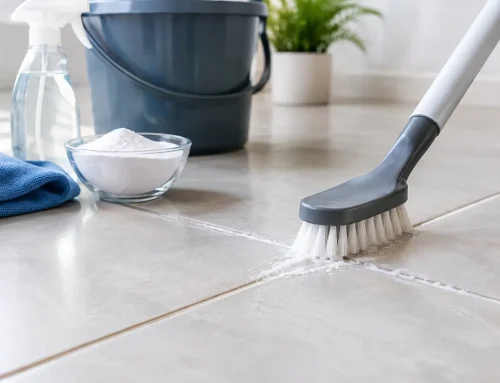
A weekly restroom routine should include detailed cleaning of tile, grout lines, partitions, dispensers, baseboards, and the areas behind toilets. Check for slow drains, leaking fixtures, broken dispensers, or low supply levels while cleaning. Catching these issues early helps property managers and business owners avoid bigger interruptions.
Monthly and Quarterly Cleaning Tasks
Monthly work protects surfaces and addresses the dirt that routine cleaning cannot fully remove. Schedule these tasks around lower-traffic periods when possible, especially if floor care or carpet cleaning could affect normal business operations.
Dust high areas such as ceiling vents, light fixtures, blinds, tops of cabinets, and door frames. Clean interior windows more thoroughly and remove marks from walls, doors, and baseboards. Vacuum along carpet edges and beneath movable furniture.
Hard floors should receive the level of care their material requires. Tile and grout may need detailed scrubbing, while vinyl composite tile may benefit from periodic strip-and-wax service. Wood-look flooring, laminate, and luxury vinyl require gentler methods. Using the wrong product or too much water can dull finishes, leave residue, or damage flooring.
Quarterly or semiannual carpet cleaning is a smart choice for many offices, particularly those with entryway traffic, pets from customer visits, or frequent food and beverage use. Upholstered office chairs, lobby furniture, and fabric partitions can also hold dust and odors. The ideal schedule depends on use, but waiting until stains are obvious usually means the material has been collecting soil for a while.
Adjust the Checklist for Your Type of Business
There is no single frequency that fits every office. A quiet accounting office and a busy real estate office may occupy similar square footage but have very different cleaning needs.
A customer-facing business should prioritize its entrance, waiting area, restrooms, and meeting spaces. A professional office with mostly remote or hybrid employees may need fewer weekly visits but still benefit from a reliable reset before in-office days. Medical and wellness businesses may require stricter sanitation practices and should follow all applicable industry, facility, and health requirements.
For multi-tenant buildings, clarify who handles shared hallways, exterior entrances, restrooms, and trash collection. This prevents the common problem of assuming a task is covered when it is not. If your business uses a cleaning provider, identify which supplies are provided by the office and which are supplied as part of the service.
How to Make the Checklist Work Every Week
A checklist only helps when someone owns it. Assign a point of contact who can communicate schedule changes, access instructions, special requests, and supply concerns. That person does not need to inspect every room daily, but they should know how to report an issue before it becomes a recurring problem.
Keep the checklist specific. “Clean restroom” leaves too much open to interpretation. “Clean toilets, sinks, mirrors, partitions, dispensers, floors, and restock soap, paper towels, and toilet paper” sets a clear standard. The same is true for floors, break rooms, and front-desk areas.
Review the routine after the first month. If trash is piling up before service days, add another pickup. If carpets still look good between cleanings, you may be able to schedule deep extraction less often. Good office cleaning is not about paying for unnecessary tasks. It is about matching service to the way your workplace actually operates.
CJ Cleaning Services can help local businesses coordinate commercial cleaning with vetted independent cleaning professionals and a schedule built around their building, business hours, and priorities. From recurring janitorial care to carpet, tile and grout, and floor revitalizing services, clear expectations make dependable service easier to maintain.
A clean office tells employees their workplace matters and shows visitors that details are taken seriously. Start with the areas people use most, set realistic frequencies, and adjust the plan as your team and business grow.