


A property can look empty and still be far from ready. Dust settles in corners, refrigerator shelves hold forgotten spills, bathrooms need sanitizing, and floors show every bit of traffic from the last occupant. So, what is turnover cleaning? It is a detailed cleaning service performed between occupants, guests, tenants, employees, or owners to return a space to a clean, presentable, ready-to-use condition.
For homeowners, landlords, property managers, short-term rental hosts, and local business owners, turnover cleaning helps remove the pressure that comes with a deadline. The goal is not simply to make a room look better. It is to prepare the property for its next use with a dependable, thorough process.
What Is Turnover Cleaning?
Turnover cleaning is a reset cleaning completed after someone moves out, checks out, vacates a workspace, or before a new occupant arrives. It is common in apartments, rental homes, Airbnb and vacation rentals, offices, retail spaces, and homes changing hands.
The service is often more detailed than routine cleaning because it addresses the areas that are easy to overlook during daily use. A cleaner may focus on the inside of cabinets, appliance surfaces, baseboards, shower buildup, window sills, closets, and floors throughout the property. The exact scope depends on the property type, its condition, and the timeline before the next tenant or guest arrives.
Turnover cleaning is sometimes used interchangeably with move-out cleaning, move-in cleaning, or rental cleaning. They overlap, but the purpose can differ. A move-out clean generally centers on leaving a home in good condition after a resident departs. A turnover clean centers on getting the property ready for the next person, which may include a condition check, restocking, linen changes, or coordinating other property-ready tasks.
What a Typical Turnover Cleaning Includes
A good turnover service is built around the condition of the space, not a one-size-fits-all checklist. Still, most cleanings include detailed attention to kitchens, bathrooms, living areas, bedrooms, entryways, and floors.
In a kitchen, that usually means wiping counters and cabinet fronts, cleaning the sink, removing crumbs and residue from accessible surfaces, and cleaning the exterior of appliances. If requested, the service may also include the inside of the refrigerator, oven, microwave, cabinets, and drawers. These areas can make a major difference when a new tenant, buyer, or guest opens the door.
Bathrooms typically receive close attention because they are one of the first places people notice cleanliness. Toilets, tubs, showers, sinks, mirrors, fixtures, and surrounding surfaces are cleaned and sanitized. Soap film, hard-water marks, hair, and residue may require more time, especially after a long tenancy.
Throughout the rest of the property, turnover cleaning commonly covers dusting reachable surfaces, wiping baseboards and window sills, removing cobwebs, cleaning light switches and door handles, vacuuming carpets, and mopping hard floors. Empty closets, pantries, and storage areas should also be checked so the next occupant is not left with dust or forgotten items.
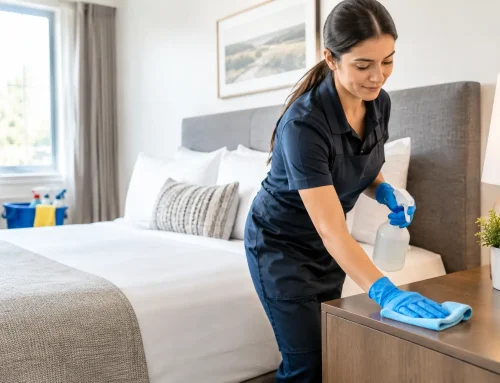
For short-term rentals, the scope can go further. A host may need beds made with fresh linens, towels set out, trash removed, supplies replenished, and a final visual check before check-in. For an office or commercial suite, the priority may be clean restrooms, break rooms, floors, glass, and customer-facing areas before staff or clients return.
Turnover Cleaning vs. Deep Cleaning
The difference comes down to purpose and timing. Deep cleaning is a more intensive service that targets buildup and neglected areas in an occupied or unoccupied space. It can be scheduled seasonally, before a special event, or whenever a home needs extra care.
Turnover cleaning may include many deep-cleaning tasks, but it happens because the property is changing hands or preparing for its next use. It is more deadline-driven. A property manager may have one afternoon between tenants. An Airbnb host may have only a few hours between checkout and check-in. A business may need a cleaned suite before opening day.
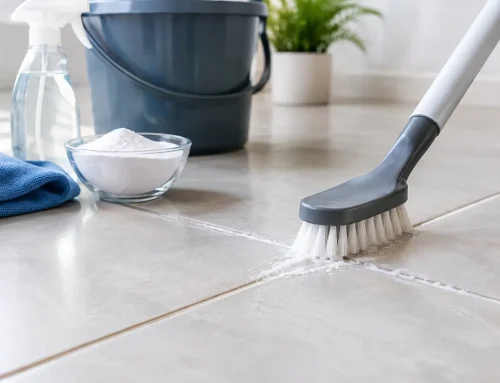
Not every turnover requires the same level of detail. A well-maintained rental after a short stay may need a standard reset and fresh linens. A home after several years of occupancy may need a deeper clean, carpet service, tile and grout cleaning, or floor revitalizing before it is ready to show. The most accurate quote comes from the size of the space, the property condition, and the services needed to meet the deadline.
When Should You Schedule Turnover Cleaning?
Schedule service as soon as you know an occupancy change is coming. Waiting until keys are handed over can create unnecessary stress, especially when repairs, painting, inspections, or deliveries are also on the calendar.
For a move-out, the best time is after furniture and personal belongings have been removed. Cleaners can then reach floors, closets, cabinets, and walls without working around boxes or large items. For a move-in, schedule cleaning before movers arrive so the new household starts with an empty, clean space.
Short-term rental hosts should build cleaning time directly into their booking calendar. A realistic turnover window protects the guest experience and gives the cleaner time to address anything unexpected. If a guest leaves behind a stain, excessive trash, or damage, a rushed schedule can make it harder to prepare the property properly.
Property managers may benefit from planning turnover cleaning alongside maintenance. Cleaning after repairs are complete helps prevent dust and debris from renovation work from settling onto freshly cleaned surfaces. If work must happen after cleaning, a final touch-up may be necessary before the next resident arrives.
Why Turnover Cleaning Matters for Property Owners
First impressions carry real weight. A clean, fresh-smelling rental encourages confidence during a showing. A spotless vacation rental supports better guest feedback. A well-prepared office helps employees and customers feel that the business is organized and cared for.
Turnover cleaning also makes property issues easier to spot. Once cabinets, floors, counters, and bathrooms are cleared of dirt and clutter, it is easier to notice damaged trim, wall marks, leaks, missing fixtures, or maintenance needs. Cleaning is not a substitute for an inspection, but it can support a more accurate look at the property’s condition.
There is a practical financial benefit as well. Faster preparation can reduce vacancy time and help hosts avoid last-minute cancellations or poor reviews. The trade-off is that urgent, same-day service may be more limited or cost more than a cleaning scheduled in advance. Planning ahead gives you more flexibility and helps ensure the work matches the property’s actual needs.
Preparing the Space for a Better Clean
A few simple steps help a turnover appointment run efficiently. Make sure cleaners can access the property, including gates, lockboxes, elevators, or alarm instructions. Remove personal belongings and obvious trash when possible. If there are stains, damage, pet-related concerns, or areas needing special attention, communicate those details before service begins.
It also helps to decide which tasks are cleaning and which require another professional. Cleaning teams can remove dust, grime, and everyday buildup, but they may not handle pest treatment, mold remediation, large debris removal, repairs, painting, or hazardous materials. Knowing the difference prevents surprises and allows the right work to be scheduled in the right order.
For recurring rental turnovers, keep a simple property standard. Decide how linens should be arranged, where supplies belong, whether toiletries are restocked, and what should be reported after each visit. Consistency helps protect your brand and gives every guest or tenant a better experience.
Choosing a Turnover Cleaning Service
Reliability matters as much as cleaning ability when a property has a deadline. Look for a provider that asks about the property size, condition, schedule, access details, and special requests before quoting the job. Clear communication helps avoid a mismatch between what you expect and what is included.
It is also wise to work with a service that can coordinate the right level of support. A basic apartment reset, a deep move-out clean, an Airbnb turnover, and a post-renovation cleanup are different jobs. The best solution is the one that fits your property, turnover timeline, and budget without cutting corners on the areas the next occupant will notice first.
For residents and property owners across Catawba County and nearby North Carolina communities, CJ Cleaning Services can help coordinate vetted independent cleaning professionals for turnover needs that deserve dependable attention. A clean handoff gives the next occupant a better start and gives you one less deadline to manage.