

The last employee has gone home, but the workday is not always over for your facility. Trash needs to be removed, restrooms need attention, and tomorrow’s visitors will notice what was missed today. When comparing janitorial service vs office cleaning, the real question is not which option is better. It is which level of care matches how your business operates.
For local offices, clinics, retail spaces, and professional buildings, the terms are often used interchangeably. In practice, they can describe very different service plans. Understanding the distinction helps you request a more accurate quote, avoid gaps in cleaning, and keep your workplace ready for employees and customers.
Janitorial Service vs Office Cleaning: The Practical Difference
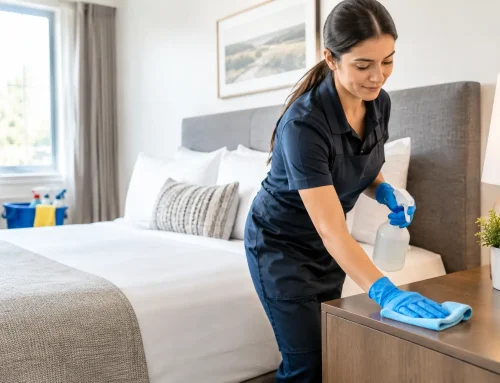
Office cleaning usually refers to cleaning services focused specifically on office areas. A provider may come after business hours once or several times per week to clean restrooms, empty trash, vacuum carpets, mop hard floors, dust desks and common surfaces, and tidy break rooms. It is a strong fit for smaller offices or workplaces with predictable traffic and straightforward needs.
Janitorial service is generally broader and more ongoing. It may include the same office cleaning tasks, but it is designed to support the daily condition of an entire facility. Depending on the service agreement, janitorial work can include daytime porter service, lobby upkeep, replenishing restroom supplies, cleaning shared spaces throughout the day, handling spills promptly, and maintaining multiple types of flooring.
The difference often comes down to frequency, coverage, and responsibility. Office cleaning restores your workspace on a set schedule. Janitorial service helps maintain your facility between and beyond those scheduled cleanings.
That said, service names are not always standardized. One company may call a nightly office cleaning plan “janitorial service,” while another uses “commercial cleaning.” The written scope of work matters more than the label. Before booking, confirm exactly which rooms, surfaces, frequencies, and specialty tasks are included.
When Office Cleaning Is the Better Fit
A recurring office cleaning plan is often the practical choice for businesses with a traditional office setup. Think of a professional office with a moderate number of employees, standard business hours, limited public traffic, and no need for a cleaner to be onsite during the day.
For these workplaces, cleaning two to five times per week may be enough to maintain a professional appearance. The right schedule depends on employee count, restroom use, food and beverage activity, carpeted areas, and the number of visitors your business receives.
Office cleaning may cover daily trash removal, restroom cleaning and sanitizing, vacuuming, mopping, dusting of accessible surfaces, break room cleaning, and cleaning of glass entry doors. It can also be customized to include periodic deep cleaning, carpet care, upholstery cleaning, or detailed floor work when needed.
This option is usually easier to budget because the work occurs during planned visits with a defined task list. It is especially effective when staff members can handle minor needs between services, such as wiping a small spill or restocking a break room cabinet.
When Janitorial Service Makes More Sense
Janitorial service is often the better choice when cleanliness has to be maintained throughout the business day, not just restored after closing. High-traffic spaces can look worn quickly, even after a thorough evening cleaning.
A busy medical office, retail location, school-adjacent facility, large corporate office, community center, or customer-facing business may need more frequent attention. Restrooms may require several checks a day. Entryways can collect dirt and moisture during rainy North Carolina weather. Reception areas, elevators, and break rooms can need quick touchups before they affect a guest’s impression.
A janitorial plan can be built around those realities. Some facilities need a cleaner onsite during peak hours. Others need several evening visits each week plus periodic daytime support. The plan may also include restroom supply monitoring, interior glass cleaning, spot cleaning of carpets, waste management, and maintenance of common areas across a larger building.
This broader coverage may cost more than a basic office cleaning plan, but it can reduce the burden on employees and managers. Asking office staff to monitor bathrooms, empty overflowing trash, or clean up customer-area messes takes them away from their actual responsibilities. In a public-facing environment, delayed cleaning can also affect how customers view your business.
Compare Scope Before You Compare Price
Price matters, but the lowest quote does not always represent the best value. A basic proposal may look attractive until you realize it excludes key areas, has limited service days, or does not account for your floor type and traffic level.
When reviewing janitorial or office cleaning options, start with your building’s actual needs. Consider how many people use the space each day, how many restrooms you have, whether customers enter the facility, and whether staff eat meals onsite. A small office with one restroom has very different needs than a multi-suite workplace with a public lobby and several break areas.
Flooring deserves close attention as well. Vacuuming carpet and mopping tile are routine tasks, but they do not replace periodic carpet cleaning, tile and grout cleaning, or strip-and-wax floor service. If your facility has hard floors that receive heavy foot traffic, adding scheduled floor revitalizing services can protect the appearance and lifespan of the surface.
It also helps to identify what should happen during every visit and what should happen monthly, quarterly, or as needed. Daily restroom sanitation may be essential, while high dusting, interior window cleaning, upholstery cleaning, and deep cleaning can be scheduled less often. A clear plan prevents assumptions on both sides.
Questions to Ask Before Scheduling Service
A dependable cleaning arrangement begins with a walkthrough or detailed conversation about the facility. Be ready to explain your square footage, operating hours, number of employees, visitor traffic, restrooms, kitchen or break room use, and any areas that need special handling.
Ask whether the service can be scheduled around your business hours and whether you will have one point of contact for adjustments. Confirm how concerns are handled, what cleaning supplies and equipment are provided, and whether the professionals entering your building have been screened and appropriately covered for the work.
You should also discuss flexibility. Your cleaning needs may change during a busy season, after an event, during a renovation, or when staffing levels grow. A provider that can adjust service frequency and add specialty cleaning when needed gives you more control without forcing you into a one-size-fits-all plan.
For businesses in Catawba County and nearby communities, CJ Cleaning Services can coordinate vetted independent cleaning professionals for customized commercial and janitorial cleaning support. The goal is straightforward: dependable service that fits your schedule, your facility, and the standard you want customers and employees to see.
Build a Plan Around Your Building, Not a Service Name
If your facility needs reliable cleaning after hours, recurring office cleaning may be exactly what you need. If your building requires ongoing attention across shared spaces, restrooms, entrances, and customer-facing areas, a more complete janitorial plan is likely the stronger investment.
The best choice comes from a clearly defined scope, realistic service frequency, and a cleaning team you can trust with access to your workplace. Start with the moments that matter most in your building: the first customer through the door, the employee using the break room, and the manager who should not have to worry about whether the space is ready for tomorrow.