

A same-day checkout at 10:00 and a new guest arriving at 4:00 leaves very little room for mistakes. That is exactly why many hosts ask how Airbnb turnover cleaning works before they try to manage it on their own. In a short-term rental, cleaning is not just housekeeping. It is part of operations, guest satisfaction, and revenue protection.
How Airbnb turnover cleaning works between bookings
Airbnb turnover cleaning is the cleaning and reset that happens after one guest leaves and before the next guest arrives. The goal is not simply to make the space look tidy. The goal is to return the property to a guest-ready standard every single time, even when the schedule is tight and the property has been used heavily.
A proper turnover usually starts with confirming the booking window, access instructions, and any special notes from the host or property manager. If the guest reported a spill, a broken item, or heavier-than-normal use, that changes the plan. The cleaner arrives with a checklist, works through the property room by room, and resets the home so the next guest walks into a clean, stocked, and orderly space.
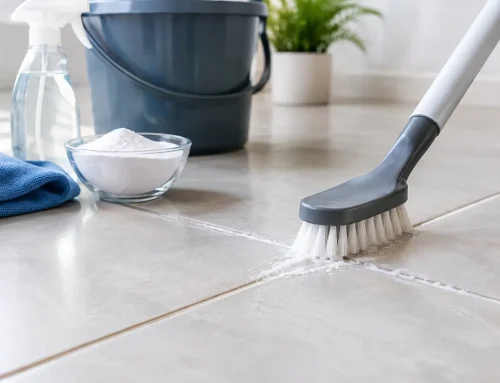
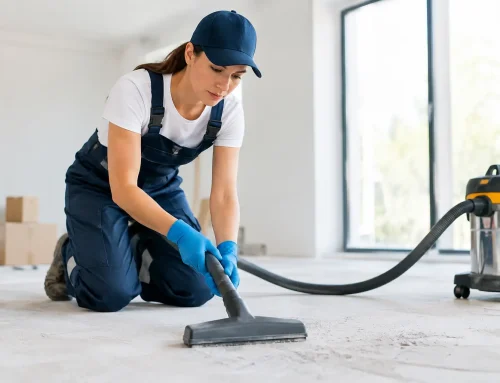
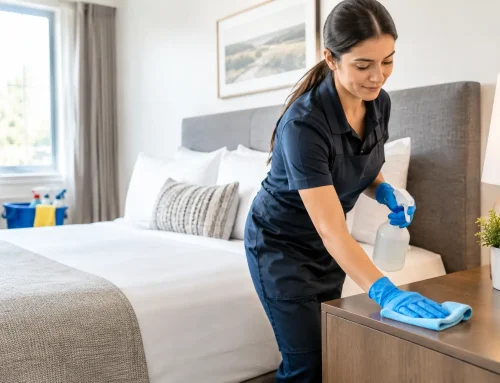
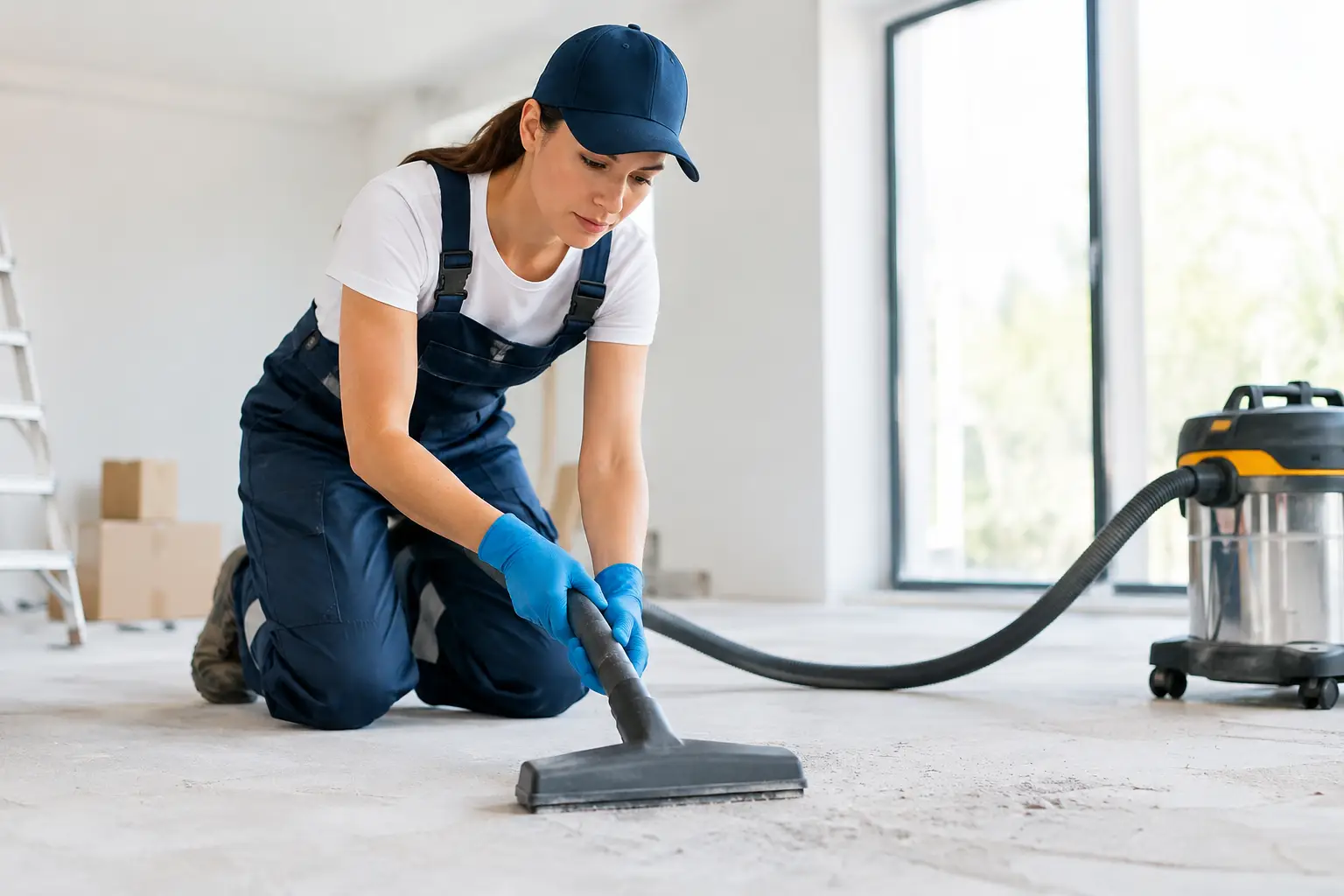
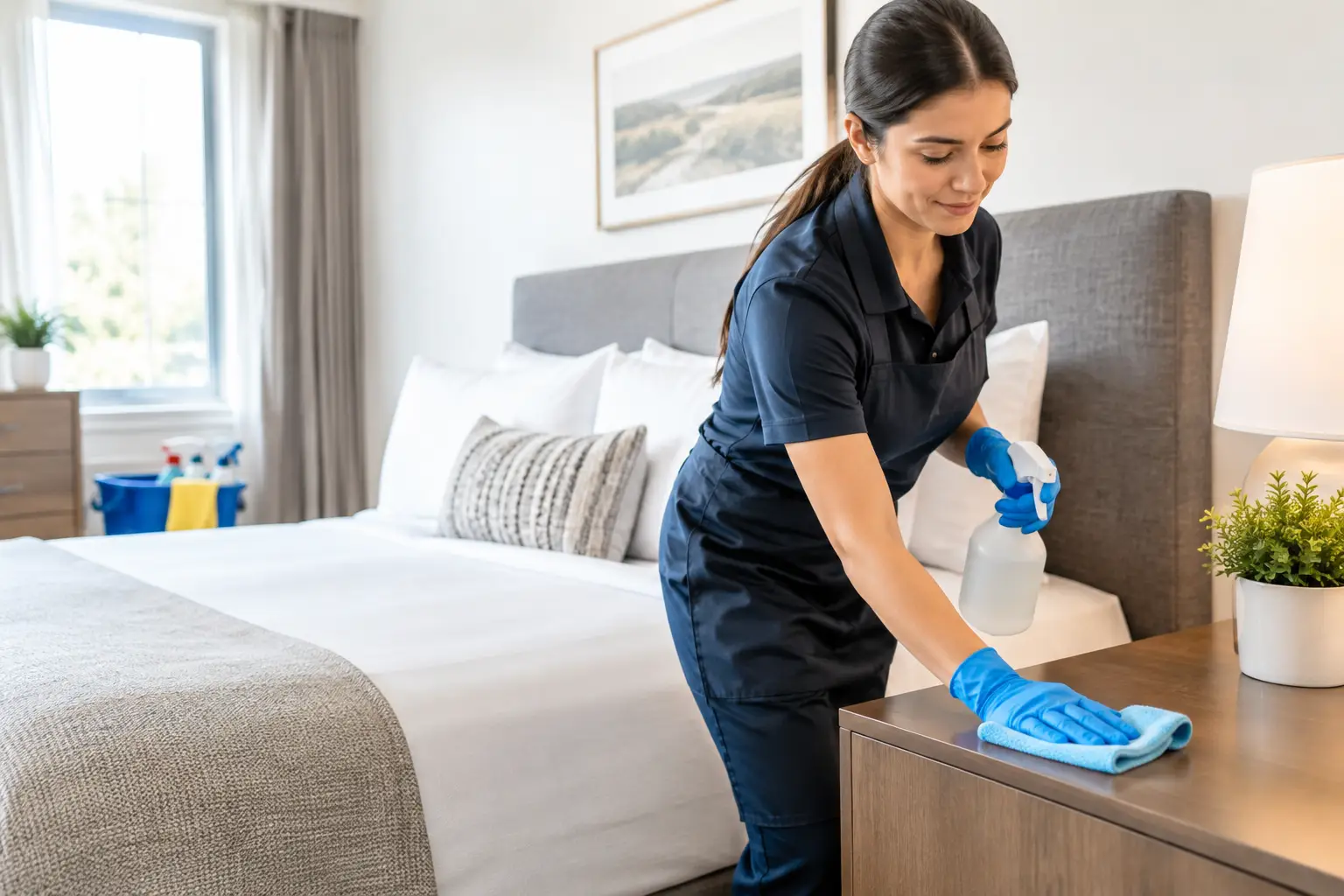
That reset often includes sanitizing kitchens and bathrooms, changing bed linens, replacing used towels, vacuuming and mopping floors, wiping high-touch surfaces, taking out trash, and checking that the home looks staged correctly. In many rentals, turnover service also includes light restocking of essentials such as toilet paper, paper towels, soap, and trash bags, depending on the host’s setup.
Why turnover cleaning is different from regular house cleaning
A residential cleaning for an occupied home is built around maintenance. Turnover cleaning is built around timing, consistency, and presentation. Guests notice details quickly because they are entering with fresh eyes. A fingerprint on a mirror, crumbs in a toaster, or hair in a shower can lead to a bad review even if most of the home is clean.
There is also a stronger inspection component. Turnover cleaners are often the first people to spot damage, missing items, stains, or signs that a guest ignored house rules. That matters because a host may need to document an issue before the next reservation starts. In other words, the cleaning visit can also serve as a condition check.
Laundry is another major difference. In a standard home cleaning, laundry may not be part of the visit at all. In a short-term rental, stripped beds, fresh sheets, bath towels, kitchen towels, and backups all have to be ready on schedule. If the property sleeps a larger group, the laundry load alone can affect how the service is planned.
What is usually included in an Airbnb turnover
Most Airbnb turnovers follow a repeatable process because consistency is what protects your ratings. The exact scope depends on the size of the property, how often it is booked, and whether the host wants basic turnover or a more detailed reset.
The cleaner will usually begin by airing out the space if needed, gathering trash, and stripping used linens. From there, bathrooms and kitchens get priority because those are the rooms guests judge hardest. Showers, tubs, sinks, toilets, counters, appliance fronts, and fixtures are cleaned and checked carefully.
Bedrooms are reset with fresh linens, smoothed bedding, and a visual check for dust, hair, or forgotten items. Living areas are straightened, surfaces are wiped down, and floors are cleaned throughout the property. Entry areas matter too, especially if guests often track in dirt or leaves.
A stronger turnover service may also include making sure supplies are set where guests expect them, confirming remote controls are present, checking for burned-out light bulbs, and reporting maintenance concerns. Some hosts need extras such as porch cleanup, spot cleaning on walls, checking the refrigerator for leftover food, or making sure the coffee station is ready.
The timing is where most problems start
On paper, a five- or six-hour window between guests may sound manageable. In practice, it can be tight. Delayed guest departures, excessive laundry, traffic, maintenance surprises, or a property left in poor condition can put the entire day behind schedule.
That is why reliable Airbnb turnover cleaning depends on systems, not guesswork. Cleaners need clear access instructions, a defined checklist, enough time for the size of the property, and a process for reporting problems quickly. If there are frequent same-day turnovers, the operation has to be especially organized.
This is one reason many local hosts choose professional help instead of relying on whoever happens to be available. A missed cleaning is not just an inconvenience. It can mean refunds, bad reviews, cancelled stays, or emergency calls when a guest is already on the way.
How hosts keep turnovers consistent
The best turnover setups are simple and repeatable. That starts with a clear scope of work. Every cleaner should know what must be done at every visit, what gets checked visually, and what should be reported immediately.
Inventory control matters more than many new hosts expect. If there are not enough linens, towels, or restocking supplies on site, a routine turnover can turn into a scramble. Keeping backup sets organized and labeled makes a real difference, especially in properties with fast booking turnover.
Communication is just as important. If the host uses a calendar system, smart lock, or property management software, the cleaner needs accurate schedule updates. Last-minute changes happen, and the cleaner has to know whether a booking was extended, canceled, or moved up.
For that reason, many hosts work with a cleaning company or referral-based service that can help coordinate scheduling and connect them with vetted professionals. In busy markets and active communities around Catawba County, dependable support can save a host from losing time every week managing the same moving pieces.
What affects the cost of Airbnb turnover cleaning
Pricing is rarely one-size-fits-all because short-term rentals vary so much. A small one-bedroom condo with minimal laundry is very different from a larger home that sleeps ten and includes multiple bathrooms, outdoor areas, and a full kitchen setup.
The main cost factors usually include square footage, number of beds and baths, laundry volume, checkout condition, and whether restocking or inspection tasks are included. Same-day turnovers and holiday scheduling can also affect pricing. If a property needs deep cleaning more often because of heavy use, that may be priced separately from standard turnover service.
Hosts sometimes look for the cheapest option, but that can be expensive in the long run. If the cleaner is rushed, inconsistent, or hard to reach, the savings disappear quickly when guest complaints start. In this type of service, reliability is part of the value.
When a standard turnover is not enough
Not every checkout fits the usual checklist. Sometimes guests leave the property in rough shape. There may be excessive trash, stains, smoke odor, pet hair, broken items, or signs of a gathering that created extra mess beyond a normal stay.
That is where expectations need to be clear. A standard turnover is meant to restore a reasonably used rental between bookings. A property that needs extra time, deep cleaning, carpet cleaning, upholstery cleaning, or post-damage attention should be treated differently. If everyone assumes it can be handled within a basic turnover rate and timeline, that sets the next guest up for disappointment.
Experienced hosts plan for this by building a little flexibility into the schedule when possible and having a backup process for larger messes. It is not always possible to predict, but it is possible to prepare.
What to look for in a turnover cleaning provider
A good Airbnb turnover cleaner should be dependable first and fast second. Speed matters, but only if the work stays consistent. Look for a provider that understands booking windows, communicates clearly, and can follow a property-specific checklist without cutting corners.
It also helps to work with professionals who are screened, organized, and used to service coordination. For many hosts, convenience matters almost as much as the cleaning itself. Easy scheduling, straightforward communication, and a clear process for service updates make the entire rental operation easier to manage.
If you are hosting in Western North Carolina communities like Hickory, Maiden, Newton, Lincolnton, Denver, or Mooresville, local knowledge can help too. A provider familiar with the area often understands travel times, market expectations, and the urgency that comes with quick booking turnarounds.
CJ Cleaning Services, LLC is one example of a local company that helps connect clients with vetted independent cleaning professionals while keeping scheduling and customer support organized. For hosts, that kind of structure can reduce stress and make it easier to keep a property ready for every arrival.
A clean rental does more than look good in photos. It tells guests they can trust the space they just booked, and that trust starts long before they leave their first review.