


A front lobby can look fine at 8 a.m. and feel worn down by lunch. Restrooms run low, fingerprints build up on glass, breakrooms collect spills, and trash fills faster than most teams expect. That is why one of the most common questions business owners ask is how often should offices be cleaned. The right answer depends on your foot traffic, layout, staff size, and the type of work happening in the space.
A law office with a few private rooms does not need the same schedule as a medical-adjacent office, busy real estate firm, call center, or shared workspace. Some offices need service every day. Others do well with two or three visits a week, plus periodic deep cleaning. The goal is not to overpay for cleaning you do not need or cut back so far that the office starts affecting employee comfort, customer impressions, and day-to-day operations.
How often should offices be cleaned for most businesses?
For most standard office environments, basic cleaning should happen at least two to three times per week. That usually covers trash removal, restroom cleaning, breakroom wipe-downs, vacuuming, mopping, dusting of reachable surfaces, and attention to high-touch areas.
Daily cleaning is often the better fit for offices with steady visitor traffic, shared desks, frequent meetings, public-facing entrances, or restrooms used by a larger team. If clients walk through your space regularly, cleanliness becomes part of your presentation. People notice overflowing trash cans, streaky glass doors, dusty baseboards, and restrooms that are not fully stocked.
Weekly cleaning alone can work for very small offices with only a handful of employees and limited public access, but even then, it is usually best paired with staff handling light in-between upkeep. If no one on-site is managing spills, dishes, or restroom supplies between visits, once a week tends to fall short.
The real factors that determine office cleaning frequency
Square footage matters, but traffic matters more. A smaller office with constant visitor flow can get dirty faster than a larger office with low occupancy. If your team is in and out all day, shares restrooms, uses a kitchen, and hosts customers, cleaning needs increase quickly.
The type of surfaces in the office also changes the schedule. Carpet holds dirt and tracks in debris, especially during wet weather. Hard floors show dust, streaks, and scuffs faster in entryways and hallways. Glass partitions and doors need frequent attention in modern office layouts because fingerprints become obvious almost immediately.
Breakrooms and restrooms are usually the deciding factor. Even if desks stay fairly tidy, these shared areas can make the whole office feel neglected. If you have more than a few employees using the same restroom and kitchen area every day, those spaces should be cleaned often enough to stay sanitary, not just presentable.
Seasonality also plays a role. Rainy weeks, pollen season, and winter mud all increase what gets tracked indoors. During cold and flu season, many businesses also choose more frequent disinfection of shared touchpoints such as door handles, light switches, elevator buttons, conference tables, and appliance handles.
A practical office cleaning schedule by area
The easiest way to answer how often should offices be cleaned is to break the office into zones rather than treat the whole space the same.
Daily cleaning needs
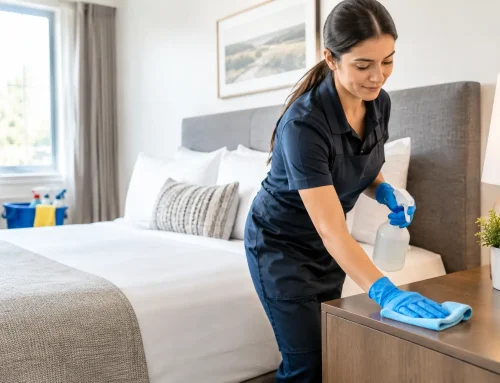
Restrooms usually need daily service in most occupied offices. That includes cleaning and sanitizing toilets, sinks, and touchpoints, restocking supplies, emptying trash, and spot-checking floors. Breakrooms also benefit from daily attention, especially where employees eat lunch on-site. Counters, tables, sinks, appliance fronts, and trash areas can go from manageable to unpleasant in a single day.
Entry areas should also be checked daily in offices that receive visitors. First impressions are made fast. Clean glass, tidy floors, and empty trash containers help the office feel organized and professionally managed.
Two to three times per week
Vacuuming, mopping common walkways, dusting open surfaces, and cleaning conference rooms often fit well on a two- to three-times-per-week schedule for many offices. This is a strong middle ground for businesses that want the space to stay consistently clean without paying for full daily janitorial service.
For many local businesses, this frequency keeps dirt, dust, and clutter from building up while still being cost-conscious. It also reduces the need for staff to handle cleaning tasks that take time away from their actual jobs.
Weekly and monthly tasks
Some tasks do not need daily attention but should not be ignored. Lower-traffic offices may only need detailed floor care, baseboard dusting, interior glass cleaning, and spot wall cleaning on a weekly or biweekly basis. Upholstered chairs, vents, blinds, and hard-to-reach dusting may fit better into a monthly rotation.
This is where many offices fall behind. The obvious mess gets handled, but the gradual buildup does not. After a few months, the office still gets cleaned, yet it no longer feels truly clean.
Quarterly or periodic deep cleaning
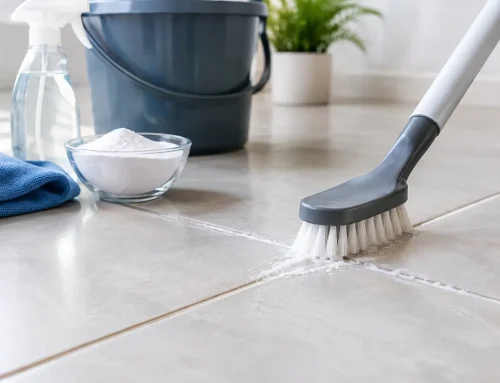
Even well-maintained offices need deeper service on a regular basis. Carpet cleaning, tile and grout cleaning, floor strip-and-wax service, upholstery cleaning, and post-project cleanup are not everyday tasks, but they protect the condition of your space. They also extend the life of flooring and furnishings, which matters when you are trying to protect your investment in the property.
Signs your office needs more frequent cleaning
If employees are wiping down surfaces themselves because shared areas feel neglected, your current schedule may be too light. If trash is still full between visits, restrooms run out of supplies, floors look worn before the next cleaning day, or odors linger in the breakroom, those are operational signs that service should increase.
Client-facing signs matter too. Smudged entry glass, dusty reception furniture, stained carpet paths, and restrooms that feel tired send the wrong message. Customers may never comment on cleanliness when it is handled well, but they notice when it is not.
There is also a staffing reality to consider. If your team has grown, your cleaning plan should grow with it. A schedule that worked with five employees may not work with fifteen.
When offices can clean less often
Not every business needs nightly service. If you operate in a small professional office with low foot traffic, private workspaces, limited food use, and no public walk-ins, once or twice a week may be enough. Hybrid schedules can also reduce cleaning needs if the office is only partially occupied on certain days.
That said, lower frequency works best when expectations are clear. Employees need to keep personal areas reasonably tidy, food should not be left out, and spills should be handled right away. Cutting service only works when the office itself supports that decision.
Choosing the right schedule without overcomplicating it
A good cleaning plan should reflect how your office is actually used, not what another business is doing. Start with your busiest shared areas. If restrooms, breakrooms, entrances, and conference rooms stay clean between visits, your schedule is probably close to right. If those spaces struggle, increase frequency there first.
It also helps to think in layers. Routine janitorial cleaning keeps the office functional week to week. Rotational detail work keeps it presentable over time. Deep cleaning protects surfaces and resets the space when normal maintenance is no longer enough.
For many businesses in Catawba County and nearby communities, that means a customized plan instead of a one-size-fits-all package. A dependable provider should be able to match service frequency to your office size, traffic level, and budget without pushing unnecessary add-ons. That practical approach is part of what businesses value when working with CJ Cleaning Services.
The best office cleaning frequency is the one people do not have to think about
When an office is cleaned on the right schedule, employees are more comfortable, visitors feel confident in your business, and daily operations run with fewer distractions. The space simply works the way it should. If you are asking how often should offices be cleaned, the best answer is this: often enough that cleanliness never becomes a problem, and tailored enough that you only pay for the service your space truly needs.