
A commercial cleaning quote can look simple on the surface – a price, a schedule, and a short list of services. But if you want dependable results, it helps to understand how commercial cleaning contracts work before you agree to anything. The contract is what sets expectations for the work, protects your business, and gives you a clear path if service needs to change.
For offices, retail spaces, medical-adjacent environments, and other local businesses, a cleaning contract is not just paperwork. It is the operating plan for how your building will be maintained. When the contract is clear, service tends to run smoothly. When it is vague, small misunderstandings can turn into recurring problems.
How commercial cleaning contracts work in real terms
Most commercial cleaning contracts begin with a walkthrough of the property. The cleaning provider evaluates the size of the space, traffic levels, flooring types, restrooms, breakrooms, touchpoints, and any specialty needs. A small office with light weekday use will be priced and scheduled very differently than a busy storefront or a multi-suite facility with shared common areas.
After that walkthrough, the provider typically prepares a proposal or service agreement. This document lays out what will be cleaned, how often it will be cleaned, and what the client will pay. In many cases, it also explains what is not included, which matters just as much as what is included.
The contract becomes the reference point for both sides. If trash removal is included three nights a week, that should be stated. If carpet extraction is treated as a separate add-on service, that should be stated too. A good contract reduces guesswork and keeps the relationship professional from the start.
What a commercial cleaning contract usually includes
The strongest contracts are specific. They do not rely on broad phrases like “general cleaning” and leave the rest open to interpretation. Instead, they identify the scope of work in practical terms.
That usually starts with the service schedule. Some businesses need cleaning five evenings a week. Others need two visits per week, a weekly deep detail, or monthly floor care on top of routine janitorial service. Frequency affects labor, supply use, and the overall price, so it should be clearly listed.
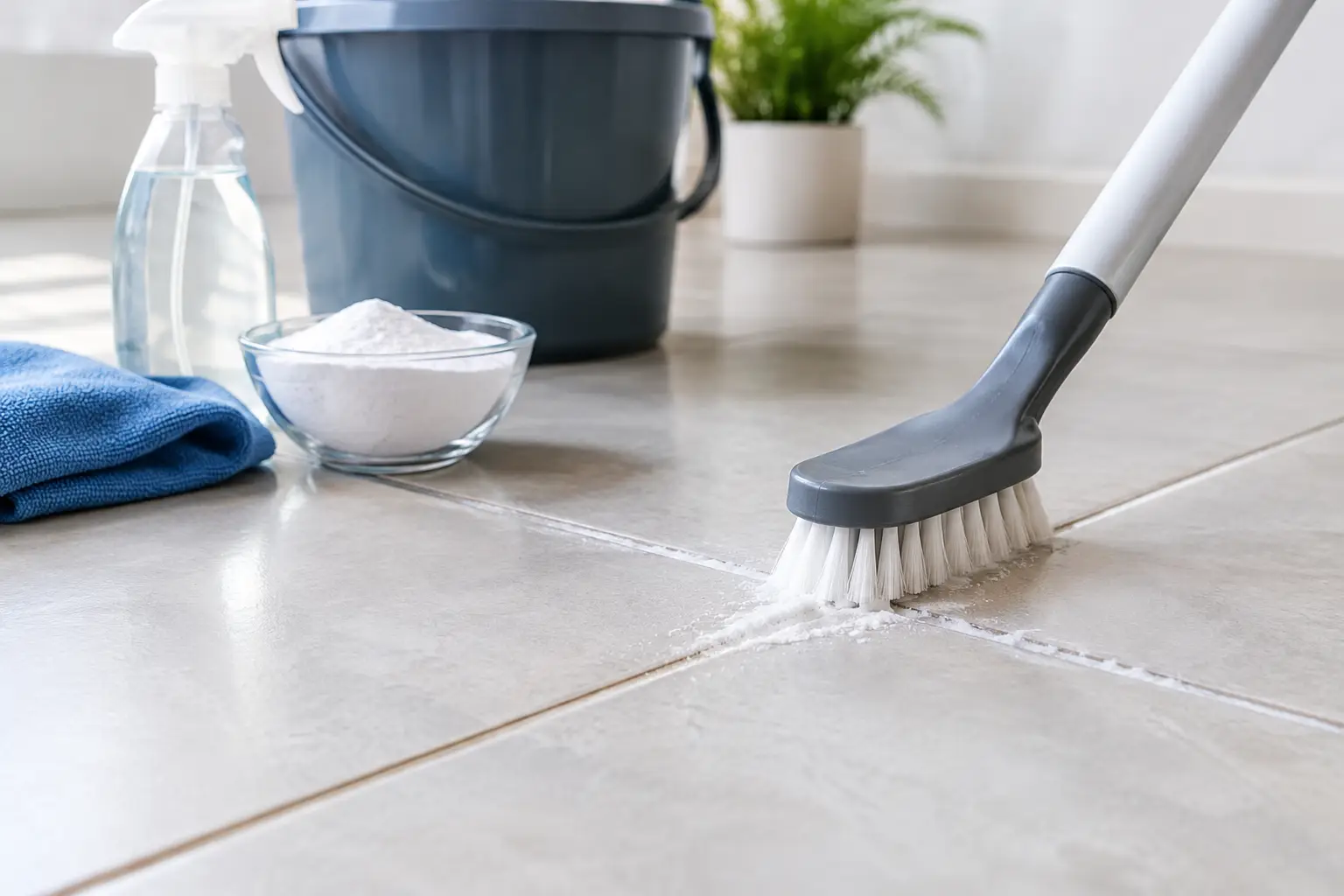
The next major section is the scope of services. This may include vacuuming, mopping, restroom sanitizing, trash removal, dusting, breakroom cleaning, glass cleaning, and disinfecting touchpoints. Specialty items such as strip-and-wax floors, carpet cleaning, tile and grout cleaning, or post-construction cleanup are often listed separately because they are not part of standard recurring service.
You should also expect to see pricing terms, payment timing, cancellation language, and access instructions. If the cleaning team will enter after hours, the agreement may address alarms, keys, lockboxes, or building access codes. If supplies are provided by the client or by the cleaning company, that should be spelled out as well.
How pricing is usually set
Commercial cleaning pricing is based on labor more than anything else. Square footage matters, but it is not the whole story. Two buildings with the same size can require very different amounts of work depending on layout, occupancy, restroom count, flooring, and how quickly the space gets dirty.
That is why many providers avoid flat one-size-fits-all rates. A professional quote often reflects cleaning frequency, task complexity, and the time required to maintain the property properly. A medical office waiting room, for example, may need a different level of attention than a low-traffic administrative office.
Contracts may use a monthly rate, a per-visit rate, or a blended structure where routine service is billed monthly and specialty work is billed separately. None of these options is automatically better. It depends on how predictable your cleaning needs are. Monthly pricing is common for recurring service because it makes budgeting easier. Per-visit pricing can work well for businesses with changing schedules or seasonal occupancy.
The difference between routine and specialty cleaning
One of the biggest points of confusion in commercial agreements is the line between routine janitorial work and specialty cleaning. Routine work covers the repeatable tasks needed to keep the space presentable and sanitary. Specialty work covers services that require extra equipment, more time, or less frequent scheduling.
For example, emptying trash, disinfecting restrooms, wiping counters, and vacuuming are routine tasks. Carpet cleaning, floor stripping and waxing, upholstery cleaning, and post-renovation cleanup are usually not included in a base janitorial contract unless the agreement says otherwise.
This matters because business owners sometimes assume all cleaning needs fall under one monthly fee. In practice, most contracts separate daily or weekly maintenance from periodic restoration services. That is normal, and it can actually help you control costs by paying for higher-level services only when needed.
Contract length and renewal terms
Commercial cleaning contracts can be month-to-month, fixed-term, or tied to an annual service agreement. A longer term may offer pricing stability, but it should still include clear expectations around service quality and cancellation. A shorter term provides flexibility, which some small businesses prefer, especially if they are trying a new provider for the first time.
There is no single right answer here. A newer business with changing hours may want more flexibility. A larger office with predictable needs may prefer the consistency of a longer agreement. What matters is that the renewal language is easy to understand. Automatic renewal clauses, notice periods, and early termination terms should never be hidden in fine print.
A fair contract should protect both sides. The provider needs reasonable notice for cancellation or major service changes. The client needs confidence that poor service, repeated missed tasks, or communication issues can be addressed without being trapped in a bad arrangement.
Who provides supplies and equipment
This is another area where clarity prevents frustration. Some commercial cleaning providers bring their own equipment and products. Others expect the client to supply consumables such as paper towels, soap, toilet paper, or trash liners. Sometimes the provider handles all of it for an added charge.
The contract should separate cleaning labor from supply replenishment if both are part of the service. That keeps billing cleaner and avoids confusion over who is responsible when a restroom runs out of paper goods or a dispenser needs attention.
If your business has specific product requirements, such as fragrance-free products or disinfectant standards for a customer-facing environment, those details should be documented before service starts.
Why vetting and insurance matter in commercial agreements
When cleaners are working in your building after hours or around employees and customers, trust matters. A low price does not mean much if there are reliability issues, inconsistent crews, or unclear accountability. Commercial contracts should reflect who is performing the work and how the service is managed.
For many local businesses, that includes asking whether cleaners are screened, whether the service is insured, and who to contact if there is a scheduling issue or quality concern. In a referral-based model, those details are especially important because the client should understand how coordination, communication, and service standards are handled.
That local, organized support is one reason businesses in Catawba County and nearby communities look for service partners that make scheduling, follow-up, and payment simple while still maintaining high screening standards.
What to review before signing
Before you sign, read the contract with your actual day-to-day operation in mind. Make sure the service frequency matches how your building is used. Look at what happens during holidays, weather closures, or weeks when your office is closed. Check whether emergency cleanups, extra visits, or special event support can be added when needed.
It also helps to ask how quality issues are handled. If an area is missed, what is the process? If your needs change after a renovation, staffing increase, or tenant turnover, can the contract be updated without starting from scratch?
A good commercial cleaning contract should feel clear, not complicated. It should tell you what you are getting, what it costs, when service happens, and how adjustments are made. For a business owner or property manager, that kind of clarity saves time and lowers stress.
At CJ Cleaning Services, LLC, we believe dependable service starts with clear expectations, responsive communication, and a cleaning plan that actually fits the space. If you are reviewing quotes or preparing to hire janitorial help, the best contract is the one that makes daily operations easier – not one that leaves you guessing after the first visit.