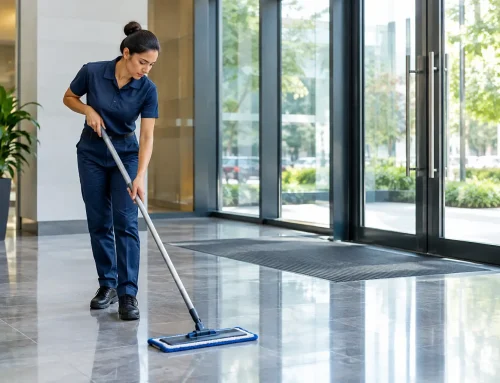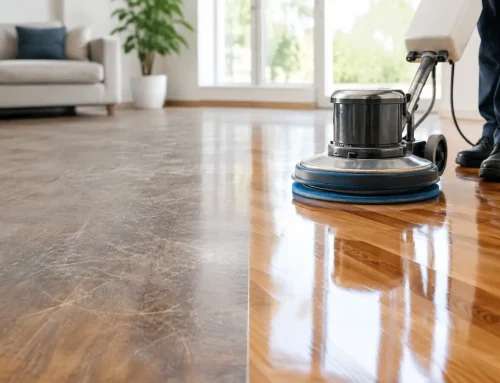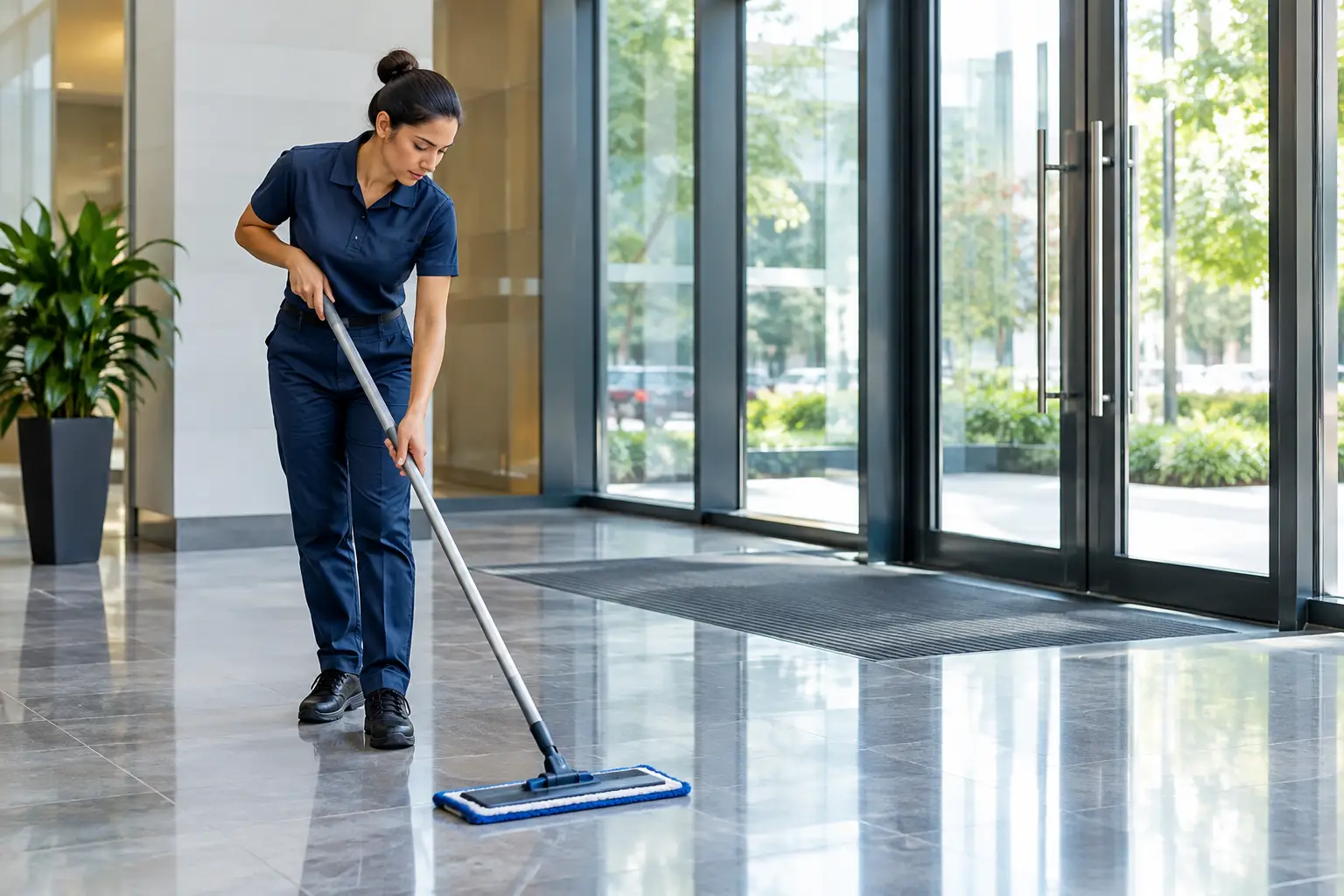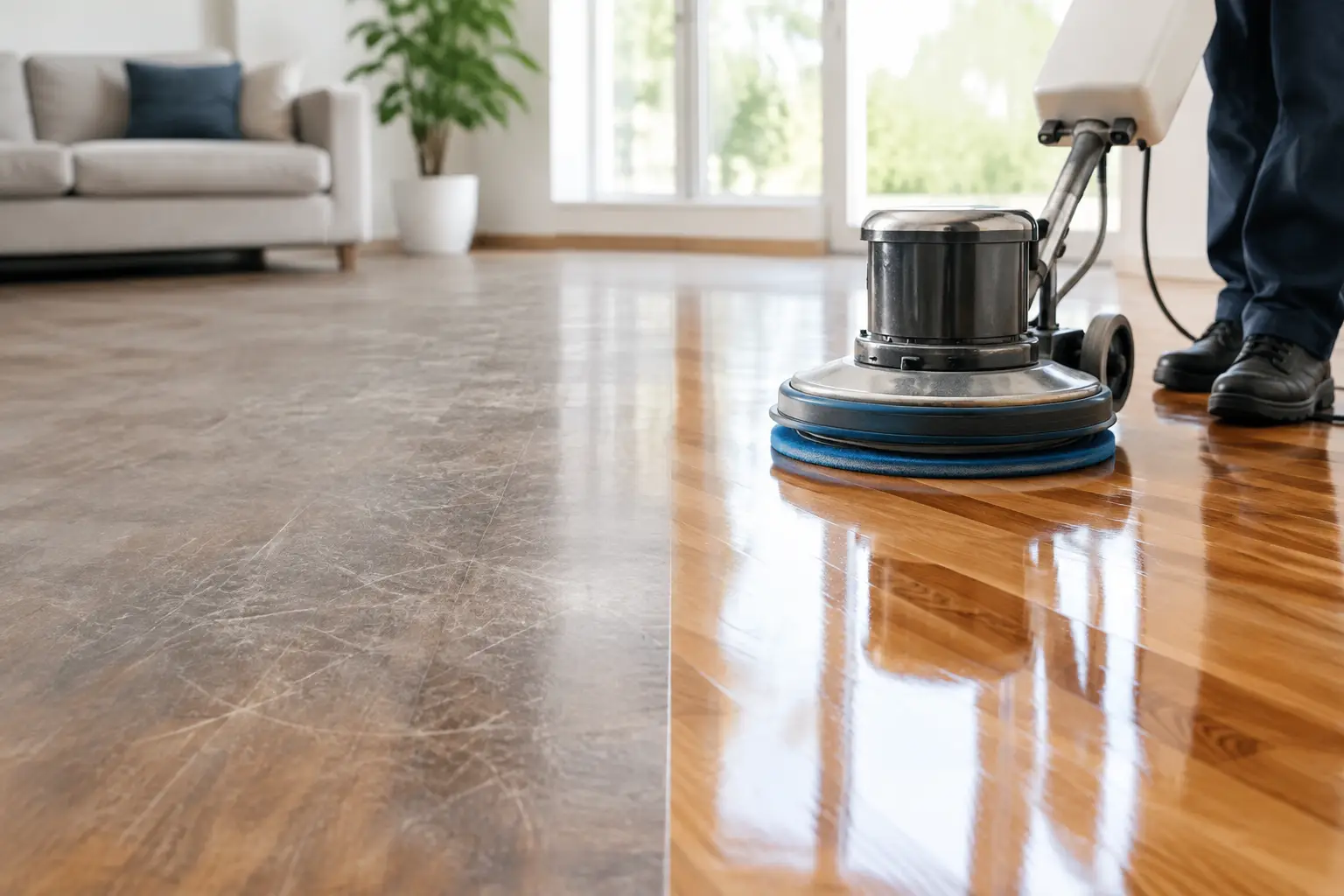


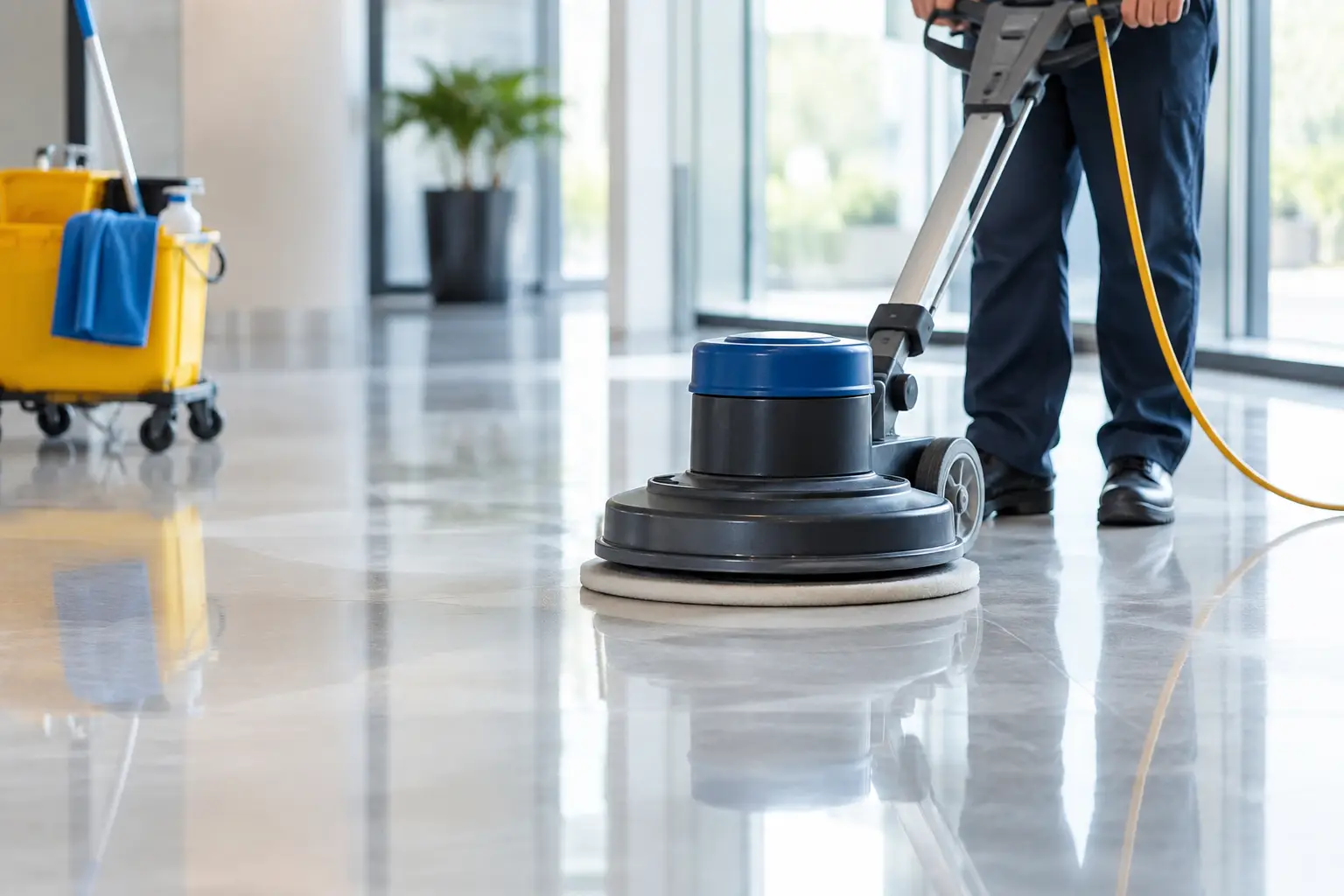
A dull, yellowed floor can make an otherwise clean office, hallway, rental, or lobby look neglected. In many cases, the flooring itself is not the problem. The old finish has simply collected scratches, soil, and layers of uneven wax. This floor stripping and waxing guide explains how the restoration process works, when it makes sense, and why proper maintenance protects your investment.
For businesses, property managers, and homeowners in Catawba County and nearby North Carolina communities, floor care is about more than appearance. A clean, properly finished floor is easier to maintain, presents better to customers and guests, and helps extend the useful life of resilient flooring.
What Floor Stripping and Waxing Actually Means
Floor stripping and waxing is a restoration service most often used on vinyl composition tile, commonly called VCT, as well as some vinyl, linoleum, and other resilient hard-floor surfaces. It is not the same as routine mopping or applying a quick coat of floor finish.
Stripping removes the existing layers of wax or finish. Over time, those layers become scratched, discolored, and embedded with dirt that normal cleaning cannot remove. Once the floor is stripped, it is neutralized, allowed to dry completely, and protected with fresh coats of commercial floor finish.
The new finish creates a clean, even sheen while forming a protective barrier over the flooring. It also makes daily cleaning more effective because spills and tracked-in soil remain on the finish rather than settling into worn areas of the floor.
Not every hard floor should be stripped and waxed. Natural stone, unfinished wood, laminate, and many modern luxury vinyl products need surface-specific cleaning methods. Applying the wrong chemical or finish can cause lasting damage, so identifying the floor material is the first step.
Signs Your Floor Is Ready for Restoration
A floor does not need to look completely worn out before it needs attention. Waiting too long can make routine upkeep harder and may leave permanent-looking discoloration in traffic lanes.
Consider strip-and-wax service when the finish looks yellow or cloudy, deep scuffs remain after cleaning, or the floor has lost its even appearance. Black heel marks, uneven shine, visible pathways near entrances, and wax buildup along baseboards are also common signs.
In commercial settings, entryways, break rooms, restrooms, school corridors, medical offices, and retail spaces often wear down first. For rental homes and short-term rentals, a tired vinyl kitchen or bathroom floor can affect a guest’s first impression even when the space is otherwise spotless.
The right schedule depends on foot traffic, weather, cleaning routines, and the type of facility. A busy customer-facing business may need periodic restoration, while a low-traffic residential floor may only need it occasionally. Regular dust mopping and prompt spill cleanup can extend the time between full stripping services.
The Floor Stripping and Waxing Process
Professional floor work is detail-driven. Skipping preparation or rushing dry time may leave a finish that peels, streaks, or looks uneven within a short time.
1. Inspecting and Preparing the Area
The service begins with an inspection of the floor type, its condition, previous finish, and problem areas. Furniture and movable items are removed or worked around as arranged. The area should be clear of loose debris before any solution is applied.
Technicians also look for cracked tiles, loose edges, moisture concerns, adhesive residue, or damaged sections. Stripping improves the appearance of a floor, but it cannot repair failing tiles or correct moisture coming up through the subfloor.
2. Removing Old Wax and Finish
A stripping solution is applied in manageable sections and given time to loosen old finish. A floor machine with the appropriate pad agitates the surface, breaking down the wax buildup without unnecessarily damaging the flooring beneath it.
The resulting slurry is then removed with professional extraction equipment. Corners, edges, and areas near baseboards need extra attention because residue tends to collect there. Leaving behind old finish can prevent the new wax from bonding evenly.
3. Rinsing, Neutralizing, and Drying
After stripping, the floor is thoroughly rinsed to remove chemical residue. This step matters. If stripping solution remains on the surface, it can interfere with the new finish and leave dull or patchy areas.
The floor must then dry completely. Humidity, ventilation, and the condition of the subfloor can affect drying time. Applying finish to a damp surface is one of the most common causes of poor results, which is why professional scheduling often accounts for drying and cure time.
4. Applying New Protective Finish
Fresh floor finish is applied in thin, even coats. The number of coats depends on the floor condition, the desired level of protection, and the traffic the area receives. Each coat needs appropriate dry time before the next is applied.
A high-quality finish does more than add shine. It gives routine cleaning crews a surface they can maintain more easily, helping reduce future scratching and embedded soil. The goal is a consistent, durable appearance, not an overly thick coating that can crack or discolor sooner.
5. Allowing Time Before Use
The floor may look ready soon after the final coat is applied, but it still needs time to cure. Foot traffic, rolling equipment, furniture, and moisture exposure should be limited according to the service provider’s recommendations.
For offices and businesses, this often means arranging work after hours, on weekends, or during a slower operating period. Planning around your schedule helps minimize disruption while giving the finish the time it needs to perform well.
Why DIY Stripping Can Be Risky
Do-it-yourself floor waxing products can be useful for small touch-ups, but full stripping is a different project. It involves strong chemicals, machine operation, water control, proper pad selection, and accurate drying times. A mistake can leave permanent haze, sticky residue, damaged flooring, or a slippery surface.
The biggest risk is using a product that does not match the floor material. Another is applying too much finish in an attempt to get a brighter shine. Heavy coats often dry unevenly and can attract more dirt over time.
There is also the practical concern of downtime. A business owner or property manager may save money upfront by handling the work in-house, but spend far more time correcting poor results or replacing damaged flooring. For a large area, a professional service is usually the more dependable option.
Maintaining a Newly Waxed Floor
A strip-and-wax service works best when paired with a consistent maintenance plan. Daily dust mopping or vacuuming removes grit that can scratch the finish. Entrance mats help reduce the amount of dirt and moisture carried inside, especially during rainy North Carolina weather.
Use a neutral floor cleaner recommended for finished resilient floors. Harsh degreasers, abrasive pads, and excessive water can break down the finish or dull the shine. Spills should be cleaned promptly, and furniture should have clean protective glides where appropriate.
For higher-traffic facilities, periodic scrub-and-recoat service can restore protection before the finish wears down completely. This lighter maintenance approach may delay the need for another full stripping job. The best plan depends on the floor’s traffic level, cleaning routine, and appearance standards.
Choosing a Professional Floor Care Provider
Ask whether the provider has experience with your specific floor type and whether they inspect the area before recommending service. A clear scope of work should explain what is included, how the space should be prepared, and how long the floor should remain out of service.
For commercial properties, coordination matters just as much as technique. You need dependable scheduling, clear communication, and a team that respects your workplace, tenants, guests, or customers. CJ Cleaning Services helps local clients coordinate specialty floor services with vetted independent cleaning professionals, making it easier to arrange care that fits the needs of the property.
A restored floor can change how a space feels before anyone notices the details. When the finish is clean, even, and properly maintained, your property looks cared for – and that confidence carries through every door.