


Fresh paint and new flooring can make a room feel completely different, but leftover dust can quickly take that feeling away. This renovation cleanup example shows what it takes to turn a recently completed project into a home, rental, office, or storefront that is ready to use.
Post-renovation cleaning is more than a quick sweep and taking out contractor trash. Fine drywall dust settles on trim, inside cabinets, along baseboards, and on surfaces that may look clean at first glance. Adhesive residue, paint specks, and construction debris also need the right attention to avoid damaging new finishes.
A Renovation Cleanup Example From Start to Finish
Picture a homeowner in Hickory who has updated a kitchen, replaced flooring in the main living area, and painted several rooms. The contractor has completed the work and removed major building materials, but the home is not ready for normal daily life. A light white film covers the floors, cabinets, windowsills, and furniture that remained in the home.
The first step is a walkthrough. Before cleaning begins, the cleaner checks the completed areas, identifies fragile or newly installed materials, and notes anything that still needs contractor attention. This matters because cleaning should not begin around wet paint, uncured grout, exposed wiring, or unfinished construction work.
Next comes debris removal. This may include small scraps of plastic, cardboard, protective paper, tape, and loose material left behind after the renovation. Large construction waste, hazardous materials, and contractor equipment are generally handled by the renovation crew or a dedicated waste provider, not a standard cleaning service.
Once the space is clear, the detailed cleaning can begin. High surfaces are addressed first so dust falls downward instead of resettling on freshly cleaned floors. Ceiling fans, vents, light fixtures, upper cabinets, trim, blinds, and windowsills all need careful attention. In a kitchen renovation, the inside and outside of cabinets and drawers may need to be wiped before dishes and pantry items are put away.
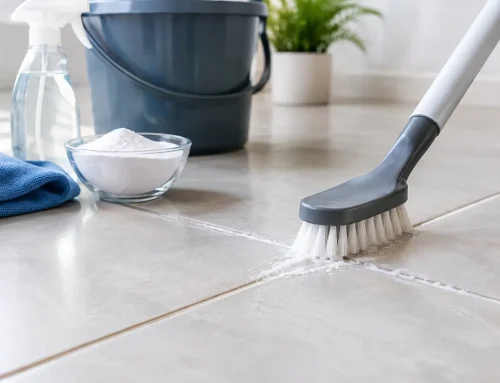
Floors come later in the process. Vacuuming with proper filtration helps remove fine dust from carpet edges, hard floors, and grout lines. Depending on the surface, cleaners may then damp mop, spot clean, or use specialized floor-care methods. New hardwood, luxury vinyl, natural stone, and freshly sealed tile each have different care needs. The right method depends on the finish, manufacturer recommendations, and how much residue is present.
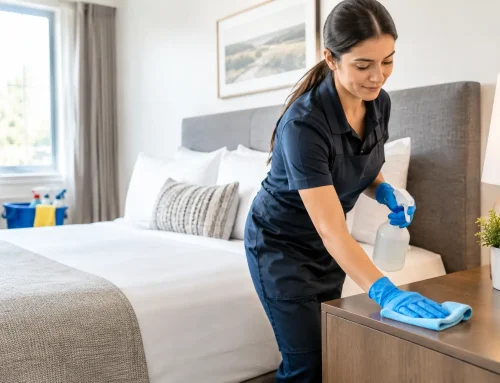
Finally, the cleaner handles touchpoints and finishing details. Doors, handles, switch plates, countertops, sinks, mirrors, appliances, and bathroom fixtures are cleaned so the space looks finished rather than simply construction-free. A final walkthrough helps confirm that dust has not settled again and that priority areas are ready for the homeowner, tenant, employee, or guest.
What Post-Renovation Cleaning Usually Includes
The scope of a renovation cleanup depends on the project. A bathroom refresh may need focused dust removal and fixture cleaning, while a whole-home remodel can require several visits. A reliable quote should reflect the size of the space, the type of work completed, the condition left behind, and the level of detail needed.
A typical service may include dusting walls, baseboards, vents, trim, ledges, and accessible fixtures. It can also include cleaning cabinet interiors, countertops, sinks, toilets, tubs, showers, mirrors, doors, and accessible windows. Floors are vacuumed and cleaned using methods appropriate for the material.
A complete service may also involve removing stickers from new appliances or windows, wiping paint splatter from protected surfaces, and cleaning inside empty closets and storage areas. However, these tasks should be discussed in advance. Heavy adhesive removal, extensive paint cleanup, exterior window work, mold concerns, and debris hauling can require specialized tools, extra time, or a separate provider.
For businesses, post-renovation cleaning often includes customer-facing details that affect opening day. Glass entry doors, reception areas, restrooms, break rooms, display surfaces, and floors need to look polished. A retail shop or office may also need cleaning scheduled outside business hours to avoid disrupting staff, customers, or final contractor work.
Why Construction Dust Needs Extra Attention
Construction dust is not the same as everyday household dust. Drywall compound, sawdust, grout particles, and insulation fibers can travel farther than expected. They can collect in air vents, settle repeatedly after cleaning, and leave a gritty feeling on countertops and floors.
A basic wipe-down may spread that dust instead of removing it. Professional cleaners use a planned top-to-bottom process, appropriate vacuuming, clean microfiber cloths, and frequent cloth changes to reduce transfer from one surface to another. The goal is a cleaner, more comfortable space without scratching new materials or leaving residue behind.
It may take more than one cleaning visit after a major renovation. This is especially true when contractors are still completing punch-list items, when dust has moved through multiple rooms, or when air circulation continues to stir up fine particles. Scheduling a final touch-up after the contractor is fully finished can make a noticeable difference.
When to Schedule Renovation Cleanup
The best time is after the main construction work is complete and before furniture, inventory, or personal belongings are moved back into the space. Cleaning too early can mean doing the same work twice if sanding, cutting, painting, or fixture installation is still underway.
For a home renovation, many clients schedule cleaning after the contractor’s final workday and before move-in or before unpacking a room. For rental properties, the service should be completed before listing photos, showings, or a new tenant’s arrival. Short-term rental hosts may need a faster turnaround, but should still allow enough time for thorough dust removal and final inspection.
Property managers may benefit from coordinating the cleaning schedule with painters, flooring installers, maintenance teams, and vendors. A clear schedule prevents cleaners from working around active repairs and helps ensure the property is ready when it needs to be.
What to Share When Requesting a Quote
Accurate details lead to a more useful cleaning plan. Share the approximate square footage, the rooms involved, the type of renovation, and whether the space is empty or furnished. Photos can help show the amount of dust, debris, paint residue, or floor-care needs.
It is also helpful to mention new materials that require special care. Freshly installed wood floors, stone counters, tile, glass shower doors, stainless appliances, and newly painted walls can all need different cleaning products and techniques. If a contractor has provided care instructions, keep those available.
At CJ Cleaning Services, LLC, clients can request post-renovation cleaning coordination with vetted independent cleaning professionals serving Catawba County and nearby communities. That organized approach can be especially helpful when a renovation has already involved multiple schedules, vendors, and deadlines.
The Difference Between a Basic Clean and a Ready-to-Use Space
A basic clean may make a room look better, but post-renovation cleaning focuses on the details that make the space comfortable and presentable. It addresses the dust inside empty cabinets, the film on windowsills, the residue around fixtures, and the floor edges that are easy to overlook after a busy project.
The right level of service depends on your goals. If you are moving back into your home, you may want detailed cabinet, bathroom, kitchen, and floor cleaning. If you are preparing a commercial space for staff or customers, presentation and high-touch surfaces may be the priority. If you are listing a rental, a clean final appearance can help the property photograph well and make a stronger first impression.
A renovation should end with the satisfaction of using the space, not the frustration of finding dust on every surface. Plan the cleanup with the same care you gave the project, and the finished room will feel ready from the moment you walk in.