A dull floor can change the way an entire room feels. In a home, it can make clean furniture and freshly painted walls look tired. In an office, rental, lobby, or retail space, it can affect the impression guests and customers get before anyone says a word. This floor revitalization review explains what the service can realistically improve, where it delivers the best value, and when a more extensive repair may be the better choice.
Floor revitalization is not a one-size-fits-all process. The right approach depends on the flooring material, its current condition, foot traffic, previous treatments, and the result you expect. A dependable cleaning professional starts with those details instead of promising that every worn surface will look brand new.
What Floor Revitalization Is Designed to Do
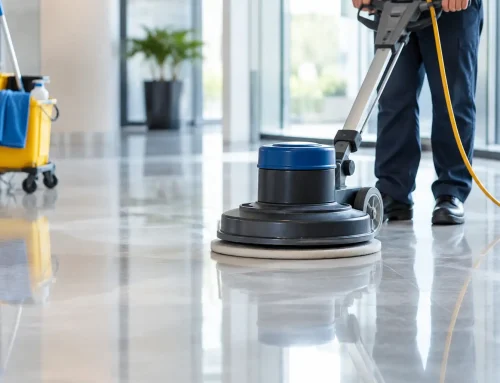
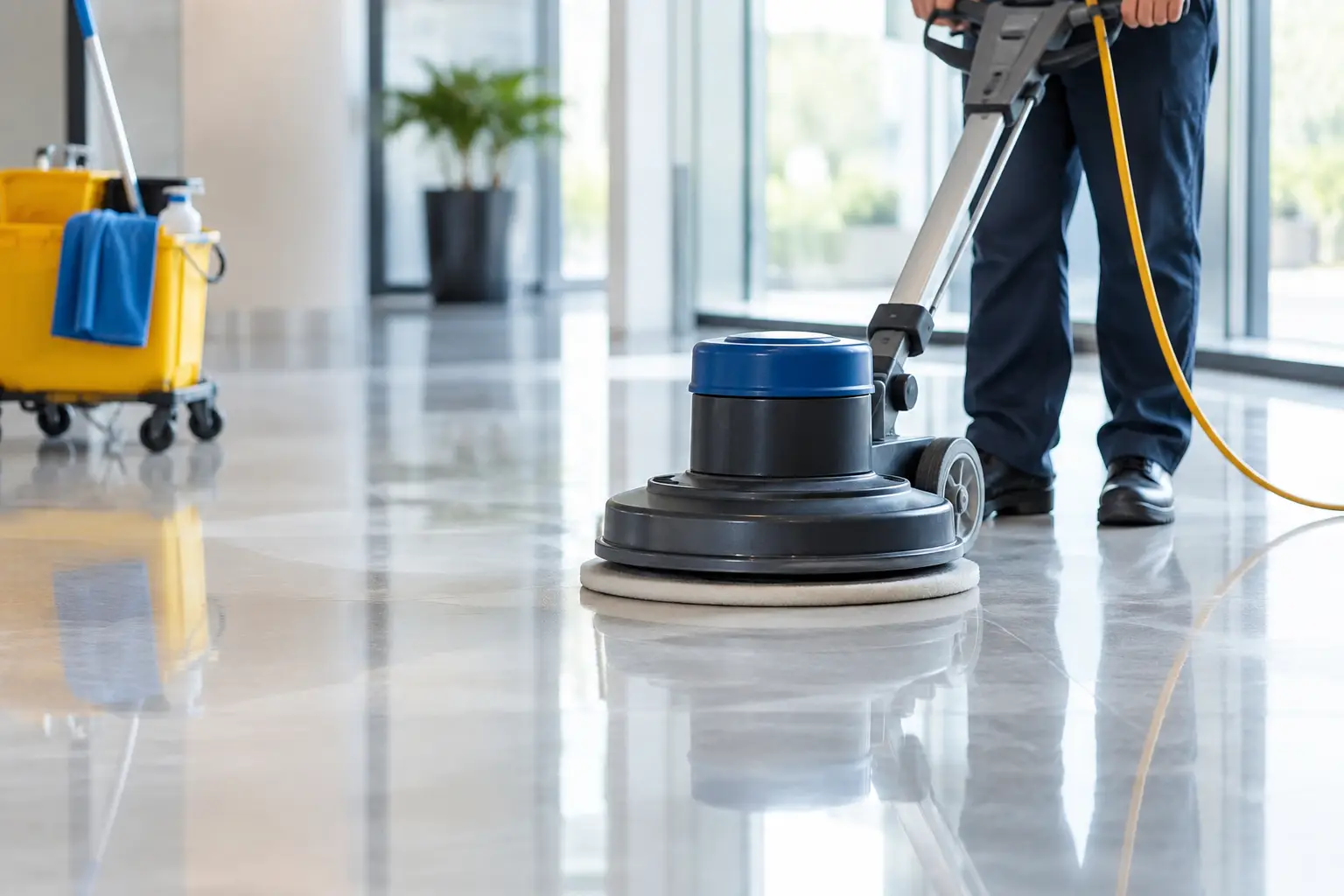
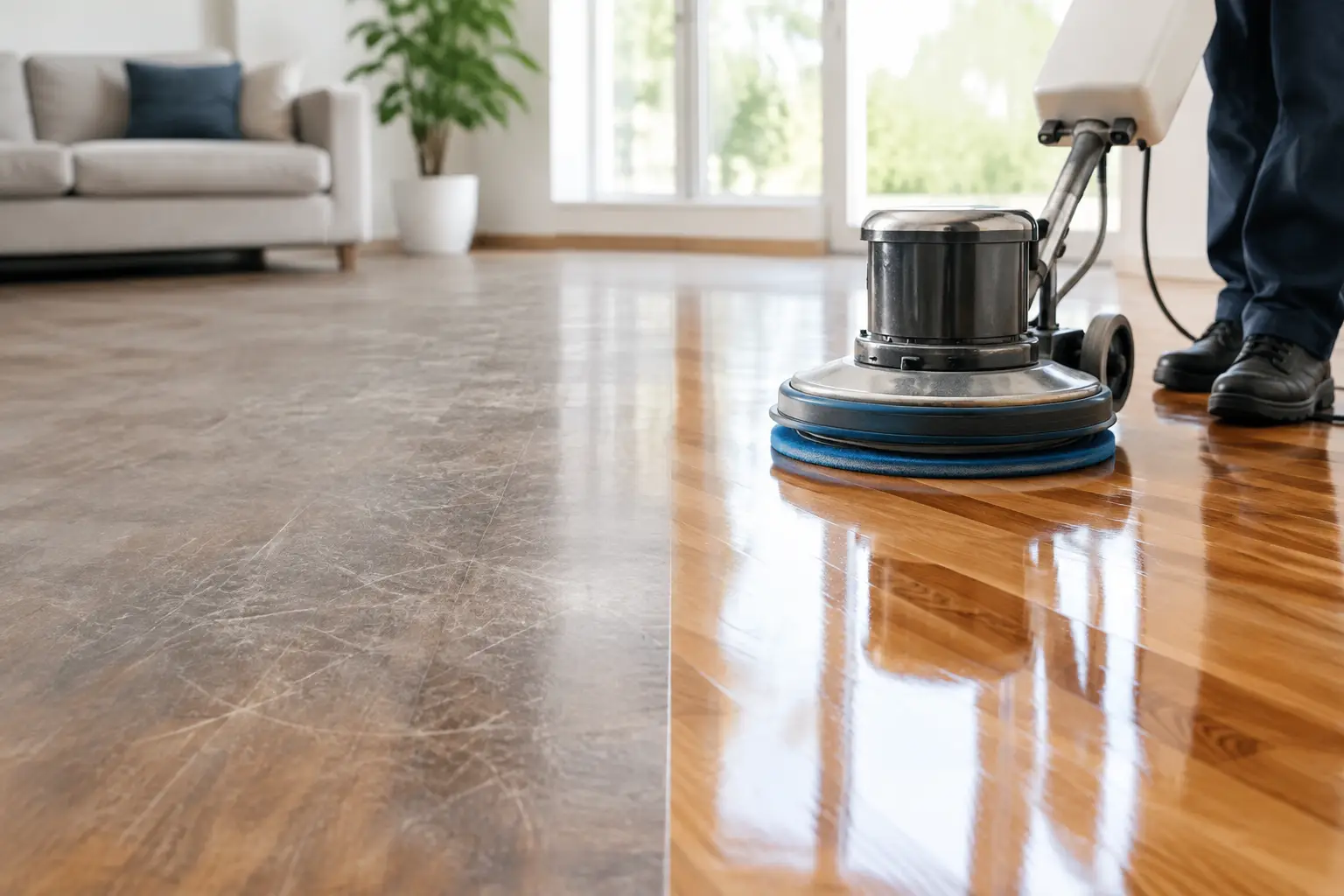
Floor revitalization is a professional service that improves the appearance, cleanliness, and protective finish of floors that have lost their original polish or look worn from daily use. It commonly involves detailed cleaning, removal of embedded soil and residue, targeted treatment of scuffs or buildup, and restoration of a cleaner, more even finish.
For some hard surfaces, revitalization may include buffing, polishing, or applying a compatible protective product. For vinyl composition tile and similar commercial flooring, service may involve strip-and-wax work when old wax has yellowed, become uneven, or trapped dirt. Tile and grout may need specialized cleaning to lift buildup from porous grout lines and restore a more consistent appearance.
The goal is improvement, not a miracle repair. A professional service can make a major difference in floors that look dull because of soil, residue, surface scuffs, or neglected maintenance. It cannot erase deep gouges, water damage, warped boards, cracked tile, missing grout, or worn-through finish without repair or replacement work.
Floor Revitalization Review: When It Is Worth the Cost
Floor revitalization is often worth considering when the floor is structurally sound but no longer looks clean or cared for, even after routine mopping. This is common in busy kitchens, hallways, bathrooms, rental turnovers, offices, waiting areas, and entryways. Regular cleaning handles daily dirt, but it does not always remove the film left behind by products, hard-water minerals, oils, or years of tracked-in grime.
For homeowners, this service can be a practical alternative to replacing flooring before listing a property, hosting a gathering, or moving into a new home. Renters and property managers may benefit when a floor needs attention between tenants but does not require a full renovation. Short-term rental hosts can also use floor revitalization to help the property feel brighter and better maintained for incoming guests.
For businesses, the value is often tied to presentation and maintenance planning. A clean, polished floor supports a professional environment and can help protect the underlying material from unnecessary wear. Offices, small retail locations, medical waiting areas, churches, and common areas see the benefit most clearly when service is scheduled before floors reach a heavily neglected state.
That said, a floor with major finish failure may need more than revitalization. Hardwood with deep scratches or bare areas may require refinishing. Peeling vinyl, loose tiles, cracked grout, and moisture-related damage should be addressed before cosmetic treatment. Paying for the wrong service can be frustrating, so an honest assessment matters.
The Flooring Type Changes the Process
Tile and Grout
Tile can look clean at first glance while grout lines remain darker than their original color. Because grout is porous, it collects soil that routine mopping often spreads around rather than fully removes. Professional tile and grout cleaning can lift embedded buildup and improve the contrast between tile and grout.
Revitalization works especially well when the tile itself is in good shape and discoloration comes from dirt, residue, or traffic patterns. If grout is cracked, missing, or permanently stained, cleaning can still improve the overall look, but repair or recoloring may be needed for a more complete result.
Vinyl, LVT, and Resilient Floors
Luxury vinyl tile, sheet vinyl, and other resilient floors are popular because they are durable and relatively easy to maintain. They can still develop a cloudy look from improper products, surface scratches, and residue. The safest treatment depends on the manufacturer’s recommendations and the wear layer of the product.
This is not a place for harsh chemicals or aggressive scrubbing. Using the wrong product can dull the surface or leave it slippery. A qualified cleaner evaluates the floor type and chooses methods that clean thoroughly without creating avoidable damage.
VCT and Commercial Waxed Floors
Vinyl composition tile is common in commercial buildings because it responds well to a planned strip-and-wax maintenance program. Over time, layers of wax can become scratched, uneven, or discolored. Stripping removes the worn finish, while fresh wax restores a more uniform sheen and adds a protective layer.
This process has trade-offs. It requires preparation, drying time, and temporary limits on access to the space. For a business, scheduling after hours or during a slower period can reduce disruption. The visual improvement can be significant, but the floor should be maintained with appropriate products afterward to protect the new finish.
Hardwood and Laminate
Hardwood and laminate require more caution. Excess water, abrasive pads, and incorrect cleaners can cause damage or leave a hazy appearance. Light cleaning and compatible polish or maintenance products may improve the appearance of a floor with minor dullness, but they will not fix deep scratches or failing finish.
A good service provider should be clear about the limits. If sanding and refinishing are needed, that is a different project than routine floor revitalization.
What to Expect From a Professional Service Visit
Before service begins, the area should be cleared as much as possible. Small furniture, rugs, floor mats, and loose items make it easier to reach the full surface and produce a more consistent result. Larger furniture can sometimes be worked around, but this may leave untreated areas beneath it.
The cleaner should identify the flooring material, visible concerns, and any areas needing extra attention. They may ask about previous cleaning products, wax applications, pet accidents, spills, or moisture issues. These questions are useful because they help prevent incompatible treatments and set realistic expectations.
During the service, there may be noise from equipment and a drying period before normal foot traffic can resume. The length of time varies by flooring type, room size, soil level, and whether protective finish is being applied. Families with children or pets and businesses with customers should plan access accordingly.
Afterward, the floor may look cleaner, brighter, and more even, but it should also feel safe to walk on once dry. A strong chemical odor, sticky residue, or unusually slick surface is not the standard to accept. Ask what products were used and how to maintain the result between visits.
How to Get Better, Longer-Lasting Results
The condition of a floor after professional service is heavily influenced by what happens next. Entry mats reduce tracked-in grit, which acts like sandpaper under shoes. Prompt cleanup of spills helps protect grout, vinyl seams, and wood finishes. Using a cleaner made for the specific flooring material prevents the cloudy film that many general-purpose products leave behind.
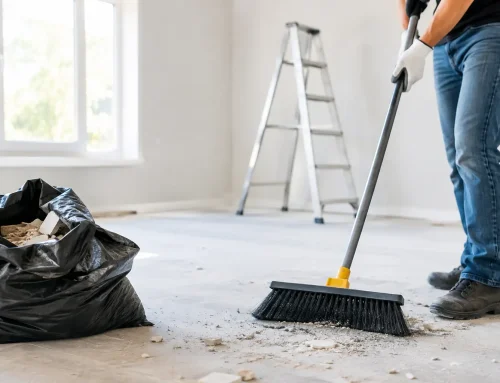
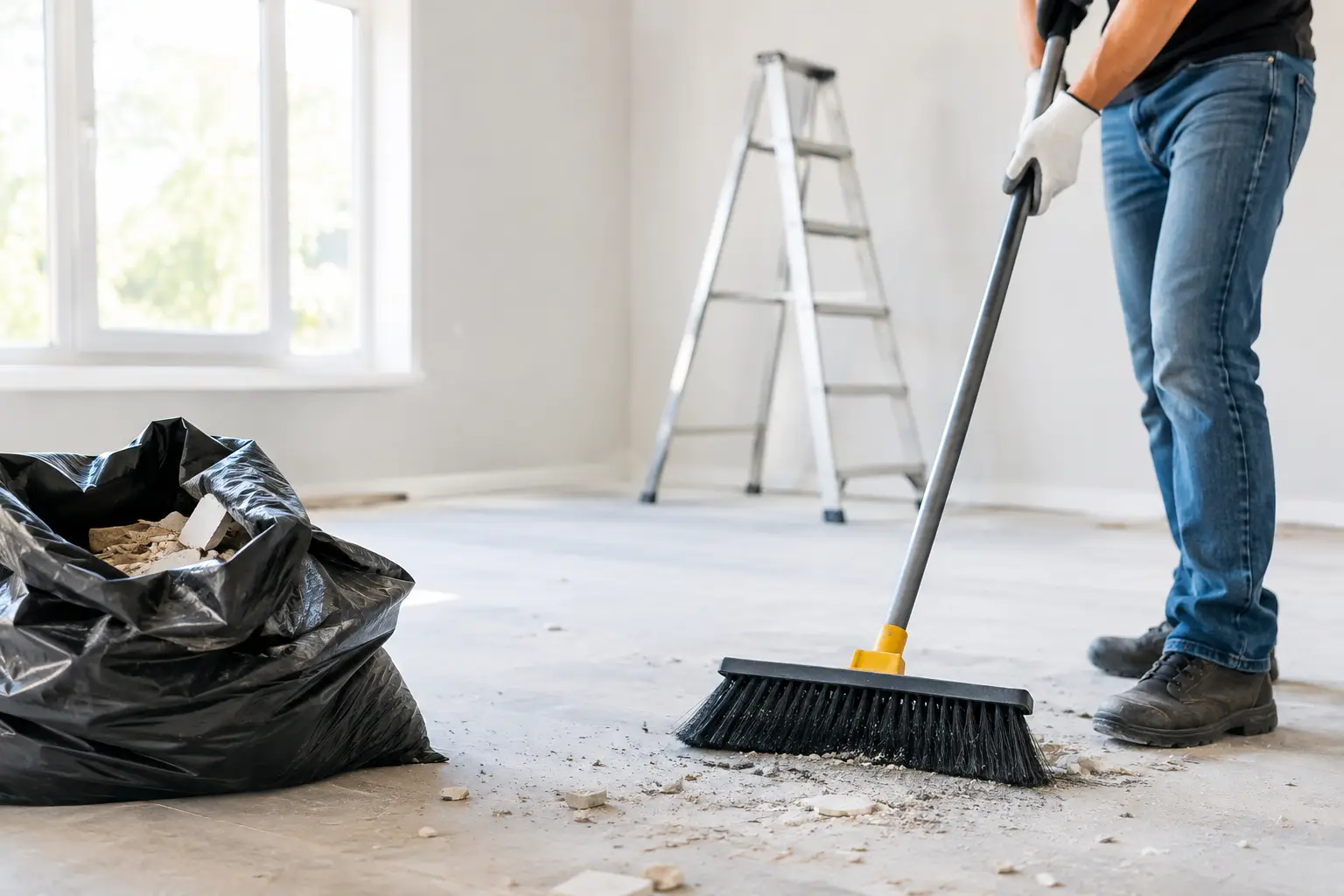
High-traffic spaces benefit from a maintenance schedule rather than waiting for visible buildup. A busy office may need periodic janitorial care and planned floor service, while a home may only need revitalization before a major event, after renovation dust, or when routine cleaning no longer produces satisfying results. The right frequency depends on traffic, pets, weather, and the type of floor.
If you are comparing quotes, look beyond the lowest price. Ask whether the scope includes edge work, spot treatment, furniture moving, finish application, drying time, and post-service care instructions. A clear scope helps you compare services fairly and avoids surprises on the day of the appointment.
A Practical Choice for Local Properties
For homes and businesses in Maiden, Hickory, Newton, Lincolnton, Mooresville, Denver, and nearby communities, floor care should feel organized rather than disruptive. CJ Cleaning Services helps connect clients with vetted independent cleaning professionals for specialty services that fit the property’s needs, schedule, and condition.
The best time to address a tired floor is before dullness turns into permanent damage or becomes part of a larger move-out, turnover, or maintenance problem. A straightforward assessment can help you decide whether revitalization is the right next step and give your space the clean, well-kept appearance it deserves.