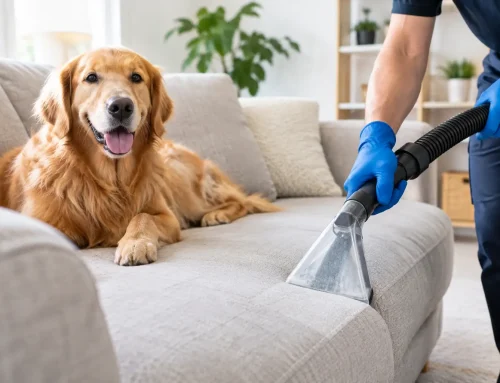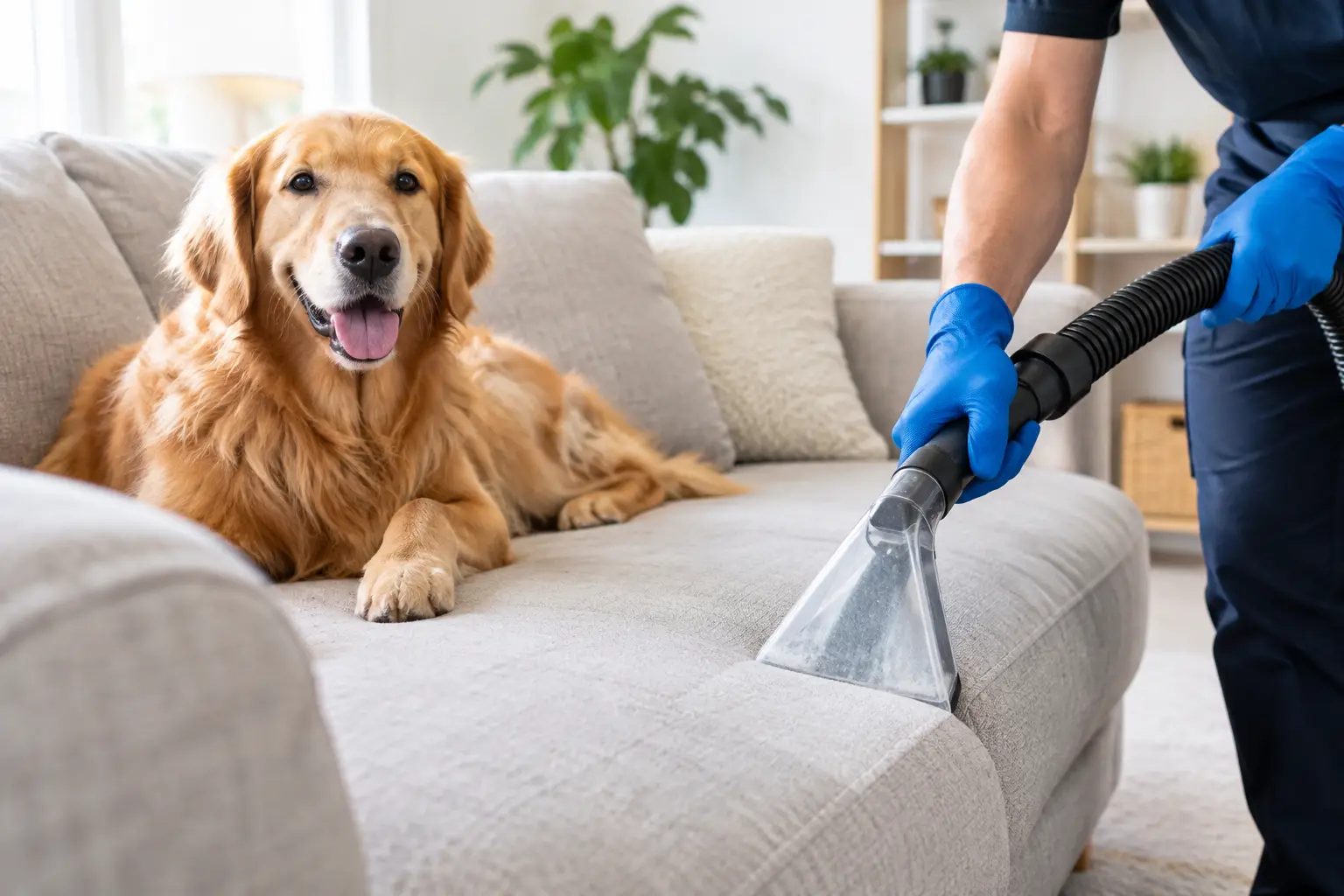


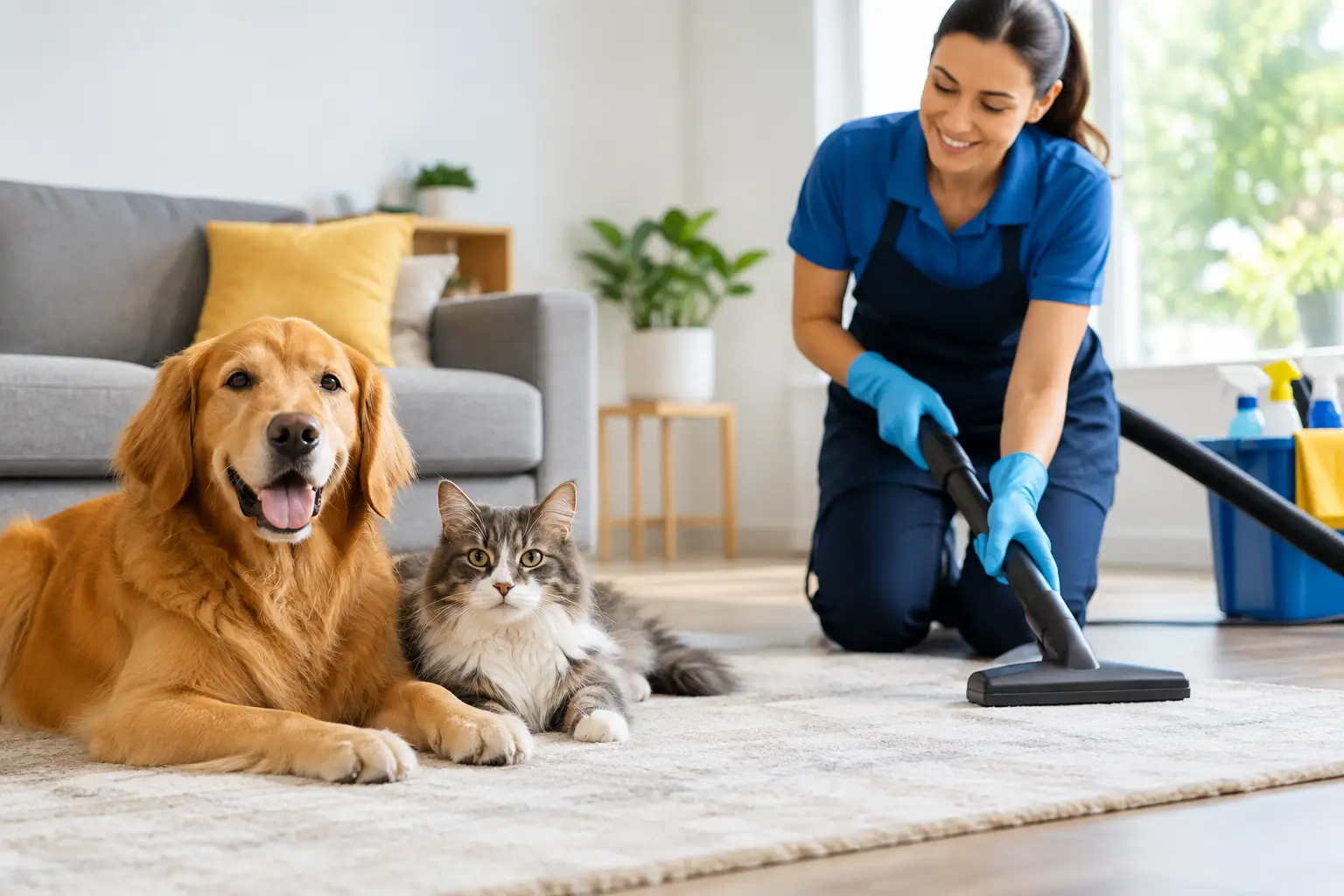
A clean home and a happy pet can absolutely coexist, even on cleaning day. If you are asking, “can cleaners work around pets?” the answer is yes – provided everyone has a clear plan before the visit begins. A little communication protects your pet, helps the cleaner work efficiently, and prevents the stress of a barking dog, an escaped cat, or a nervous animal underfoot.
For busy pet owners in Catawba County and nearby communities, professional cleaning can be one of the easiest ways to stay ahead of fur, tracked-in dirt, litter scatter, and everyday messes. The goal is not to make your pet disappear for the appointment. It is to set up the home so your animal feels secure and the cleaning professional can safely do their job.
Can Cleaners Work Around Pets Safely?
Most experienced residential cleaners are comfortable working in pet-friendly homes. They see shedding, paw prints, food bowls, pet beds, and toys regularly. Still, every pet has a different temperament, and every home has different boundaries. A calm older dog may nap through the entire visit, while a young dog may become excited by the vacuum, unfamiliar sounds, or a new person entering the home.
The best approach depends on your pet and the type of cleaning being done. For a light recurring cleaning, a relaxed pet may be fine in a separate part of the house. For a deep cleaning, move-out cleaning, carpet cleaning, or service involving multiple rooms and equipment, securing pets away from the active work areas is usually the safer choice.
A cleaner should never have to guess whether a pet is friendly, anxious, protective, likely to slip out an open door, or sensitive to certain sounds. Let the service coordinator know these details when you request your quote or schedule service. Clear expectations make the visit smoother for everyone.
Start With Honest Pet Information
Good coordination begins before the cleaner arrives. Share the basics: the number and type of pets in the home, their names, where they will be during the appointment, and any behavior the cleaner should know about. This is especially helpful for dogs that guard doors, cats that hide in closets, birds that react to fragrance or noise, and pets that may bite if startled.
Be direct about anything that could affect safety. A dog does not have to be aggressive to need separation. Even friendly dogs can jump, follow a cleaner from room to room, knock over supplies, or become frightened by a vacuum. A cat that usually stays indoors may make a quick run for an opened entry door.
If your pet has medical needs, mobility limitations, or a strong reaction to cleaning products, mention that as well. The cleaner can plan the order of rooms, avoid disturbing a designated pet area, and allow proper ventilation where needed. This does not mean every request can be accommodated in every situation, but it gives the cleaning professional the information needed to work responsibly.
Tell the Cleaner About Restricted Areas
A closed door is helpful, but a simple note can prevent confusion. Let the cleaner know which rooms are off limits, whether a pet is behind a particular door, and whether there are gates, crates, or latches that should remain closed. If your pet has a favorite hiding spot, such as under a bed or behind furniture, point that out in advance.
For homes with outdoor pets or fenced yards, clarify whether the cleaner needs to use a particular entrance. Do not assume a gate can be opened safely just because it is closed when the appointment starts. Simple instructions reduce the chance of an accidental escape.
Prepare Your Pet Before Cleaning Day
The most reliable setup is to keep pets in a safe, comfortable area that will not be cleaned until later or that is excluded from the visit. Depending on your pet, this may be a bedroom, crate, garage, screened porch, secure yard, or a family member’s home. If you work from home, you may prefer to keep your pet with you in your office while the rest of the house is cleaned.
Before the appointment, make sure your pet has water, a familiar bed or blanket, and anything else needed to stay comfortable for the length of the visit. A walk or play session before the cleaner arrives can help energetic dogs settle down. For cats, a quiet room with the litter box, water, and a familiar place to hide is often better than allowing them access to active cleaning areas.
Do not leave a pet loose with an expectation that the cleaner will manage feeding, medications, or bathroom breaks unless that has been specifically discussed and agreed upon. Cleaning professionals are there to provide cleaning service, not pet care. Keeping those responsibilities separate protects your pet and avoids misunderstandings.
Secure Food, Toys, and Pet Supplies
Put away loose toys, chews, food dishes, and medications before service begins. This gives the cleaner access to the floors and reduces the chance that an item gets moved, damaged, or mistaken for trash. It also keeps pets from chewing on something that has been relocated during the cleaning process.
If you want pet bedding washed, leave clear instructions about what can go in the washer and dryer. Some beds have removable covers, while others can be damaged by heat or certain wash cycles. When in doubt, ask for the bedding to be vacuumed or spot-cleaned instead.
Choose Cleaning Products With Pets in Mind
Pet owners are right to think about products, especially when floors, upholstery, bathrooms, and kitchen surfaces are being cleaned. Professional cleaning products are selected for their intended surfaces and tasks, but any product should be used according to its directions. Pets should not walk across wet floors, lick freshly treated areas, or enter a room before products have had time to dry and the space has been ventilated.
Tell the cleaning team if your pet has known sensitivities or if you prefer low-fragrance options. For specialty work such as carpet cleaning, tile and grout cleaning, upholstery cleaning, or floor revitalizing, ask what drying time to expect. The answer may vary based on the material, humidity, ventilation, and treatment used.
There is a practical trade-off here. Stronger treatments may be appropriate for a difficult stain, odor, or post-renovation residue, but they may also require more drying time and stricter pet separation. A professional can help set expectations, but the homeowner should always keep pets away from treated surfaces until the area is ready for normal use.
Make Arrival and Departure Safer
The front door is often the highest-risk point of a cleaning appointment. If a pet is loose near the entrance, put them in a secure room before the cleaner arrives. If your cleaner uses a lockbox, garage code, or other entry instructions, make sure pets cannot access the door or run through the garage when it opens.
It also helps to leave a short note with any essential reminders, particularly for recurring service. For example: “Cat is in the back bedroom. Please keep door closed,” or “Dog is crated in office. Do not open crate.” These instructions should be easy to see and consistent with what you communicated during scheduling.
If you will be home, greet the cleaner and introduce the situation briefly before work starts. You do not need a long handoff. A quick confirmation of where the pet is located, which doors stay shut, and any areas to avoid is usually enough.
What If Your Pet Cannot Be Separated?
Some pets become more anxious when confined, and some homes do not have an extra room available. In that case, talk through the situation before booking rather than waiting for the day of service. The cleaner may be able to clean in sections while you keep the pet with you, or schedule service when another household member can take the pet out for a few hours.
For highly anxious, territorial, or unpredictable pets, off-site care during the appointment is often the best decision. It may feel inconvenient, but it protects your animal and allows the cleaner to complete the work without rushing around a safety concern. A clean home is not worth putting a pet, visitor, or cleaning professional in an uncomfortable position.
A Better Cleaning Visit Starts With Communication
CJ Cleaning Services helps connect local homes and businesses with vetted independent cleaning professionals, and clear household details are part of creating a dependable service experience. When you share pet information early, the right expectations can be set for access, room priorities, products, and scheduling.
Your pets are part of your household, not an obstacle to a clean space. Set aside a safe spot for them, communicate their needs clearly, and give the cleaner room to work. With that plan in place, cleaning day can be easier on your schedule, your home, and your four-legged family members.