A restroom can shape how customers, visitors, and employees feel about your business in seconds. Empty soap dispensers, unpleasant odors, wet floors, or stained fixtures suggest that details are being missed elsewhere, too. This commercial restroom sanitation guide helps local businesses create a practical routine that keeps facilities clean, safe, stocked, and ready for daily use.
For offices, retail spaces, medical waiting areas, restaurants, and shared commercial buildings, restroom care is more than a quick wipe-down. It requires consistent attention to high-touch surfaces, proper products, restocking, odor control, and records that show the work is being completed.
Start With a Sanitation Plan That Fits Your Facility
There is no single schedule that works for every commercial restroom. A small office with a handful of employees may need a thorough daily service and occasional daytime touch-ups. A busy retail store, gym, restaurant, or public-facing office may need checks several times each day.
The right frequency depends on traffic, operating hours, the number of fixtures, and the type of visitors using the space. A restroom used by employees only will have different needs than one open to customers, patients, tenants, or event guests. The goal is simple: address problems before the next person encounters them.
Create a written sanitation plan that identifies who is responsible for each task, when checks occur, and where supplies are stored. This avoids the common problem of everyone assuming someone else handled the restroom. A simple service log inside a supply closet or on a staff clipboard can provide accountability without adding unnecessary paperwork.
Focus on the Surfaces People Touch Most
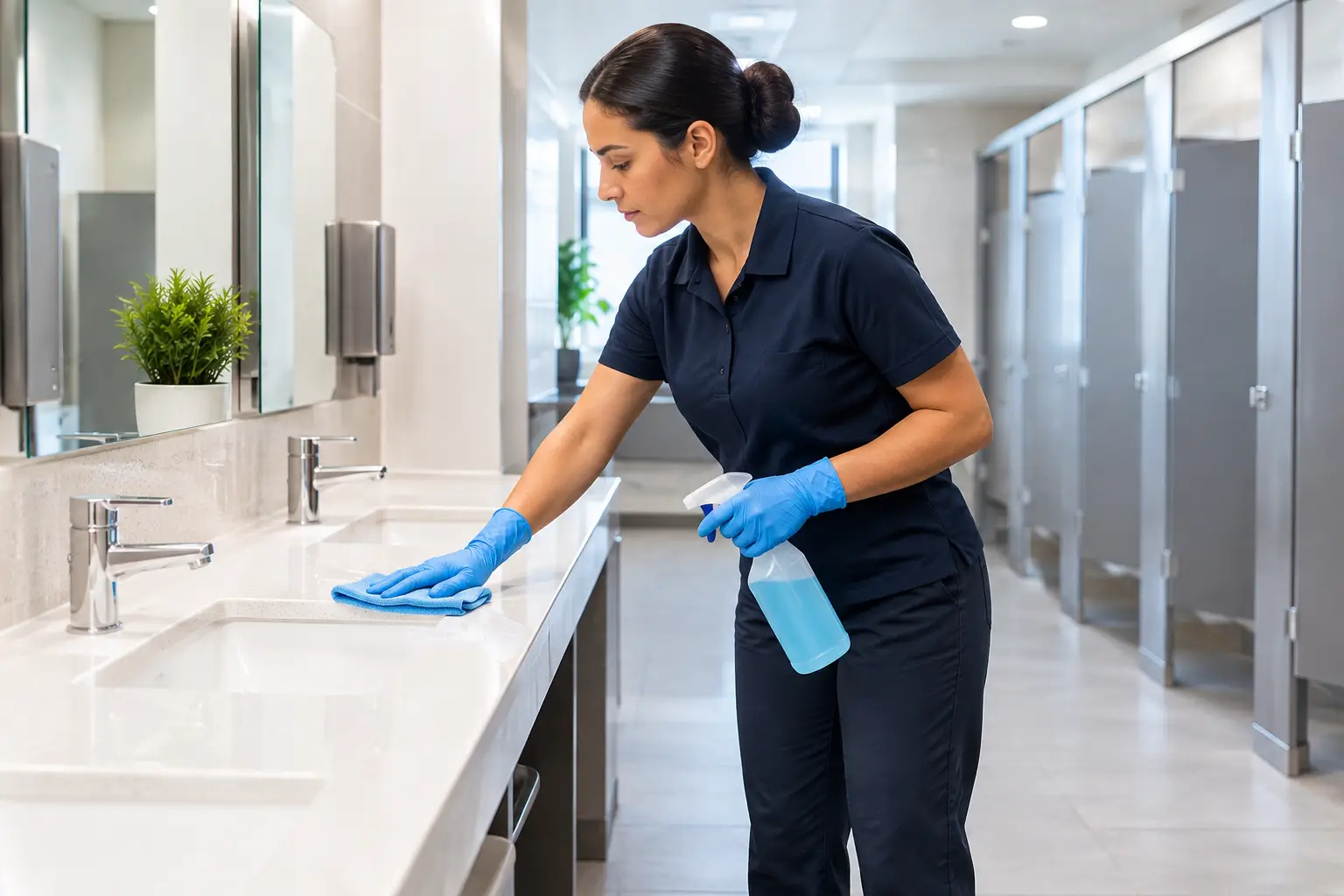
A restroom can look clean while still missing the areas most likely to spread germs. Staff should clean visible soil first, then use an appropriate disinfectant according to the product label. Disinfecting too quickly is a common mistake. Many products need to remain visibly wet for a specific contact time before being wiped or allowed to air dry.
High-touch points should receive attention during every service visit. These include door handles, stall locks, flush levers or buttons, faucet handles, soap dispensers, paper towel dispensers, hand dryer buttons, light switches, grab bars, changing stations, and trash can lids.
Toilets and urinals need a separate process from sinks, counters, and dispensers. Use color-coded cloths or clearly designated tools to prevent cross-contamination. A cloth used on a toilet exterior should never move to a sink counter, even if it appears clean. Fresh microfiber cloths, disposable towels where appropriate, and properly maintained mop heads make a noticeable difference in sanitation quality.
Clean From High to Low and From Clean to Dirty
A dependable order of work reduces the chance of spreading soil across the room. Start with mirrors, dispensers, and upper touchpoints. Move to counters and sinks, then clean toilets and urinals. Finish with the floor and remove trash last, using gloves and proper waste handling procedures.
This sequence also helps cleaners work efficiently. If floors are cleaned before counters, for example, debris and droplets from the sink area can undo the work. A consistent method makes quality easier to repeat, especially when multiple team members share responsibility.
Keep Floors Safe, Not Just Shiny
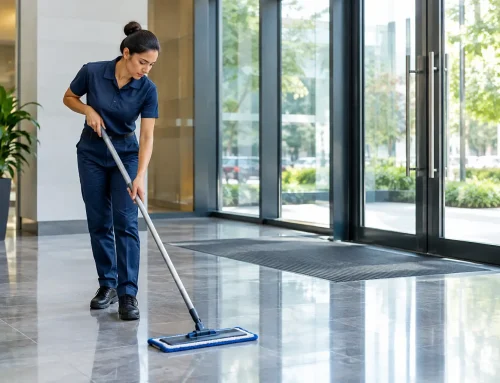
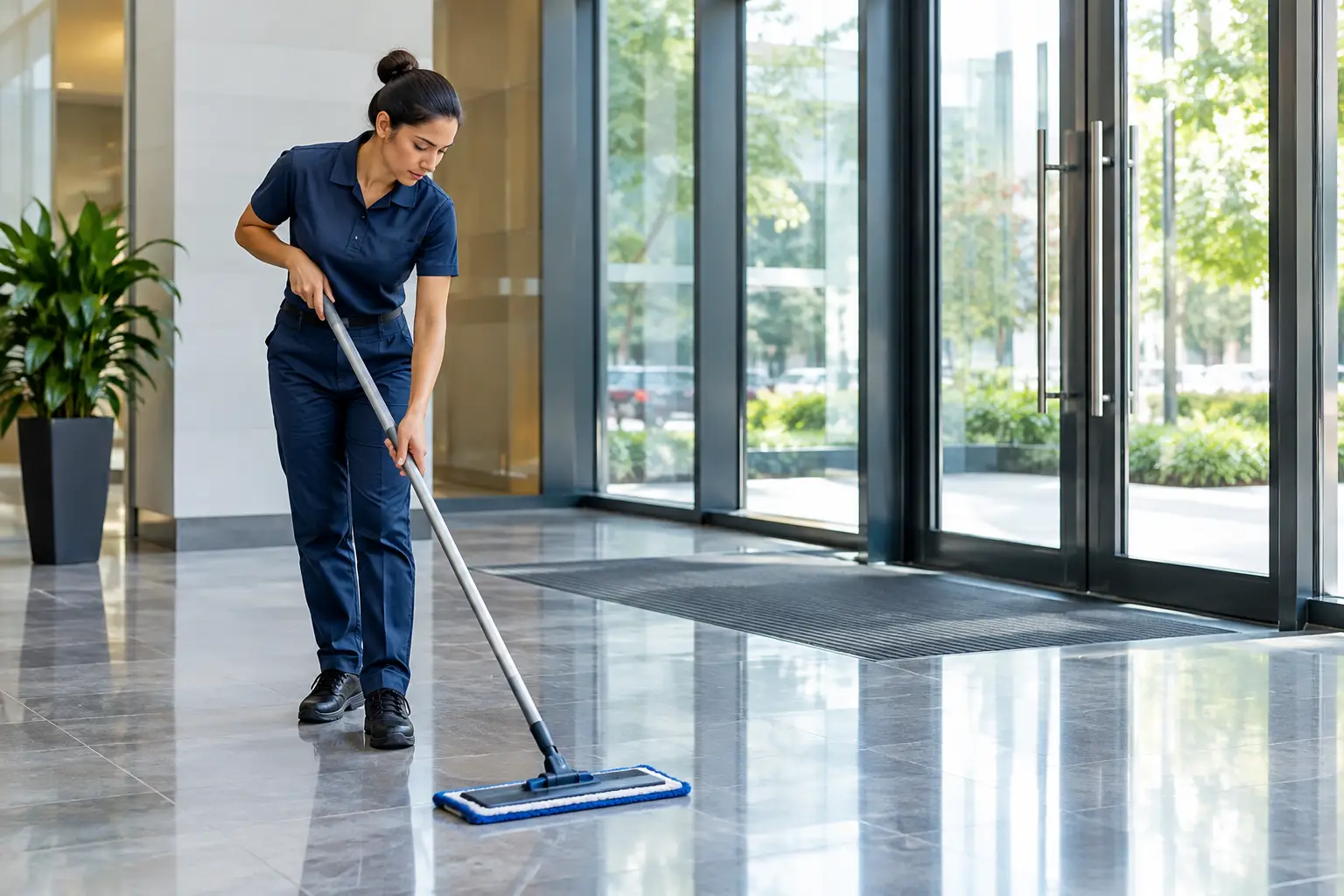
Restroom floors collect water, soap residue, paper debris, and tracked-in dirt throughout the day. That creates both an appearance issue and a slip-and-fall risk. Spot mop spills quickly, place wet-floor signs while cleaning is underway, and make sure the floor has time to dry before removing warning signage.
Daily mopping is usually necessary, but high-traffic facilities may need more frequent spot cleaning. Pay close attention to the areas around toilets, urinals, sinks, and entrances. Corners and grout lines can hold odor-causing buildup that a quick pass with a mop will not remove.
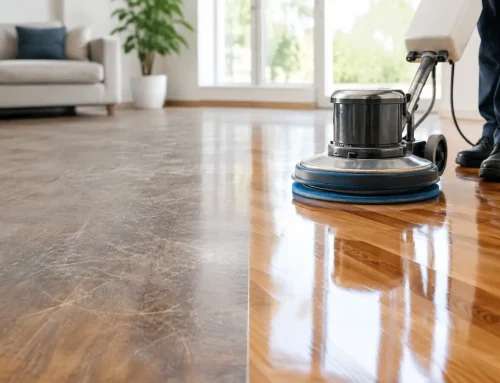
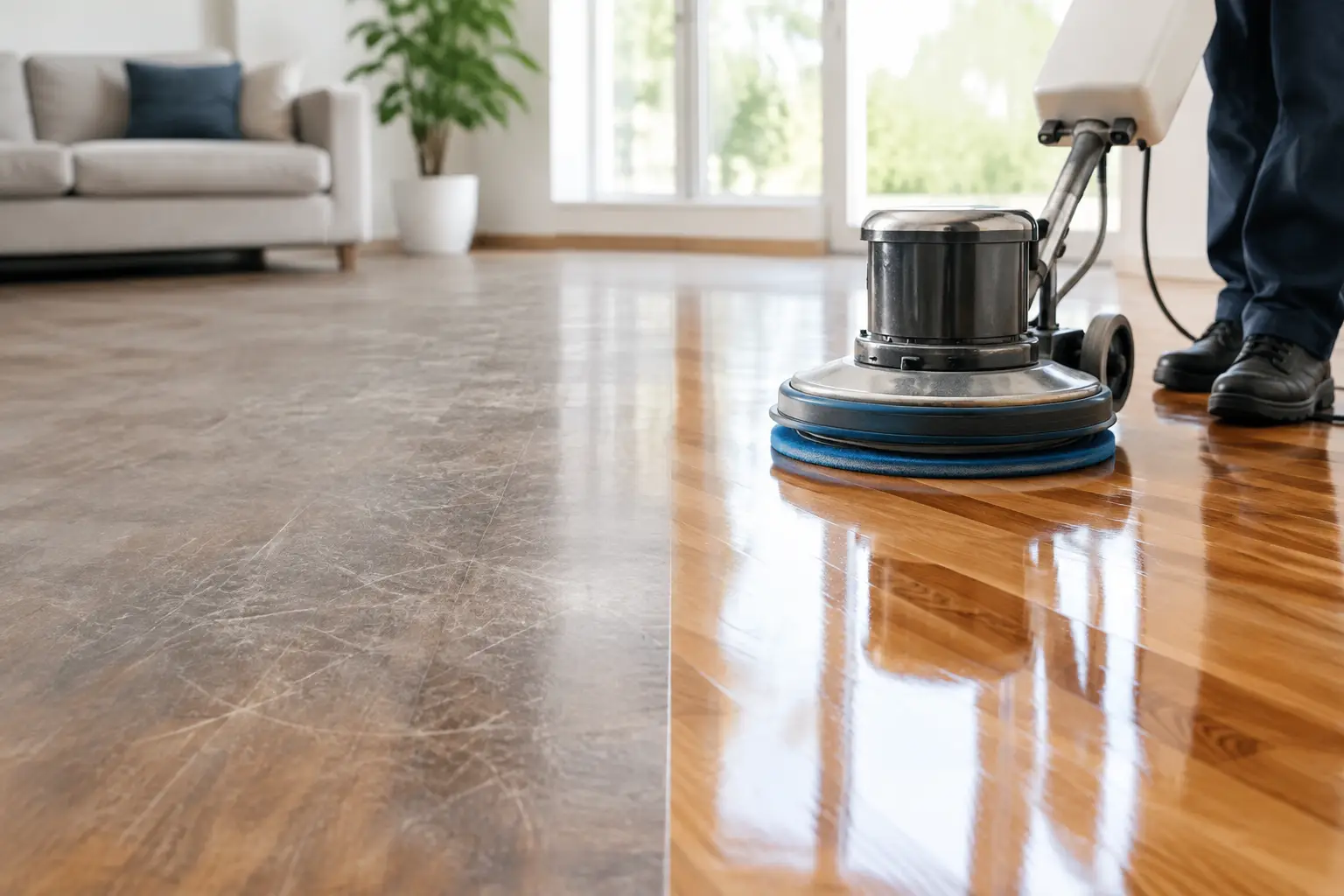
The floor material matters. Tile and grout may benefit from periodic deep cleaning, while vinyl, sealed concrete, and other surfaces require products that will not dull the finish or leave a slippery film. If floors look clean but still feel tacky or smell unpleasant, it may be time for a deeper floor service rather than another layer of cleaner.
Restock Before Supplies Become a Complaint
A sanitized restroom still frustrates people if there is no soap, toilet paper, or way to dry their hands. Supply checks should be part of every restroom visit, not an afterthought at the end of a shift.
Keep an organized supply station with backup toilet tissue, paper towels, hand soap, feminine hygiene bags or disposal products where needed, trash liners, gloves, and approved cleaning solutions. Avoid mixing different chemical products in unlabeled bottles. Every container should be clearly labeled, stored safely, and used according to manufacturer directions.
For many businesses, standardizing dispenser types and refill products makes inventory easier to manage. It may cost more upfront to upgrade mismatched dispensers, but it can reduce emergency runs for the wrong refill and make service more consistent over time.
Control Odors by Addressing the Cause
Air freshener can improve a restroom’s scent, but it cannot solve the source of an odor. Persistent odors often come from dirty grout, splash zones around urinals, full trash bins, plumbing issues, damp mop heads, or buildup beneath fixture edges.
A reliable odor-control routine includes cleaning and disinfecting affected surfaces, removing trash regularly, checking drains, and allowing adequate ventilation. If the odor returns shortly after cleaning, look beyond the visible surfaces. A leaking fixture, a dry drain trap, or damaged caulking may require maintenance rather than additional cleaning products.
Be careful not to overuse heavily scented products. Strong fragrances can bother employees and guests with allergies or sensitivities. A clean, neutral-smelling restroom usually communicates better care than one that smells overly perfumed.
Build Daily, Weekly, and Periodic Tasks Into the Schedule
A strong commercial restroom sanitation guide separates quick maintenance from deeper work. Daily service protects the user experience, while weekly and periodic tasks prevent the gradual buildup that customers notice over time.
A practical routine may include:
- Daily cleaning and disinfection of fixtures, touchpoints, counters, floors, and trash receptacles.
- Daily checks for soap, tissue, towels, liners, leaks, clogs, and floor hazards.
- Weekly attention to partitions, wall splashes, vents, baseboards, and hard-to-reach areas behind fixtures.
- Periodic deep cleaning of grout, floor edges, drains, high ledges, and dispenser exteriors.
The schedule should be adjusted when business conditions change. Holiday shopping, special events, flu season, staff meetings, or an increase in visitor traffic can all justify more frequent checks. Cleaning plans work best when they are flexible enough to match real use, not just a calendar.
Train for Quality and Safety
Even the best products will not deliver consistent results without clear training. Anyone assigned restroom duties should understand how to dilute chemicals, observe contact times, wear appropriate personal protective equipment, and keep clean and dirty tools separate.
Training should also cover what to report. Cleaners are often the first people to notice a leaking toilet, failing hand dryer, loose grab bar, damaged tile, pest activity, or low inventory. Reporting these issues quickly helps prevent facility damage and protects the people using the space.
Quality checks do not need to be complicated. A supervisor or manager can review the restroom at different times of day and look for the basics: clean fixtures, dry floors, stocked dispensers, emptied trash, no visible buildup, and a neutral odor. Occasional checks outside the usual cleaning time give a more honest picture of the customer experience.
Know When to Bring in Commercial Cleaning Support
Many businesses can handle light restroom maintenance internally, especially in smaller facilities. The trade-off is that staff time spent checking bathrooms is time away from customers, operations, or core work. Larger facilities and customer-facing businesses often benefit from scheduled janitorial support with clear task expectations.
Professional service can be particularly useful when restrooms need recurring cleaning after hours, deeper attention to tile and grout, floor care, or dependable coverage during busy seasons. CJ Cleaning Services, LLC helps businesses in Catawba County and nearby North Carolina communities coordinate customized commercial cleaning support with vetted independent professionals.
A clean restroom is one of the simplest ways to show people that your business respects their time, comfort, and safety. Set a schedule your team can realistically maintain, review it as traffic changes, and treat every restroom check as part of the service your business provides.