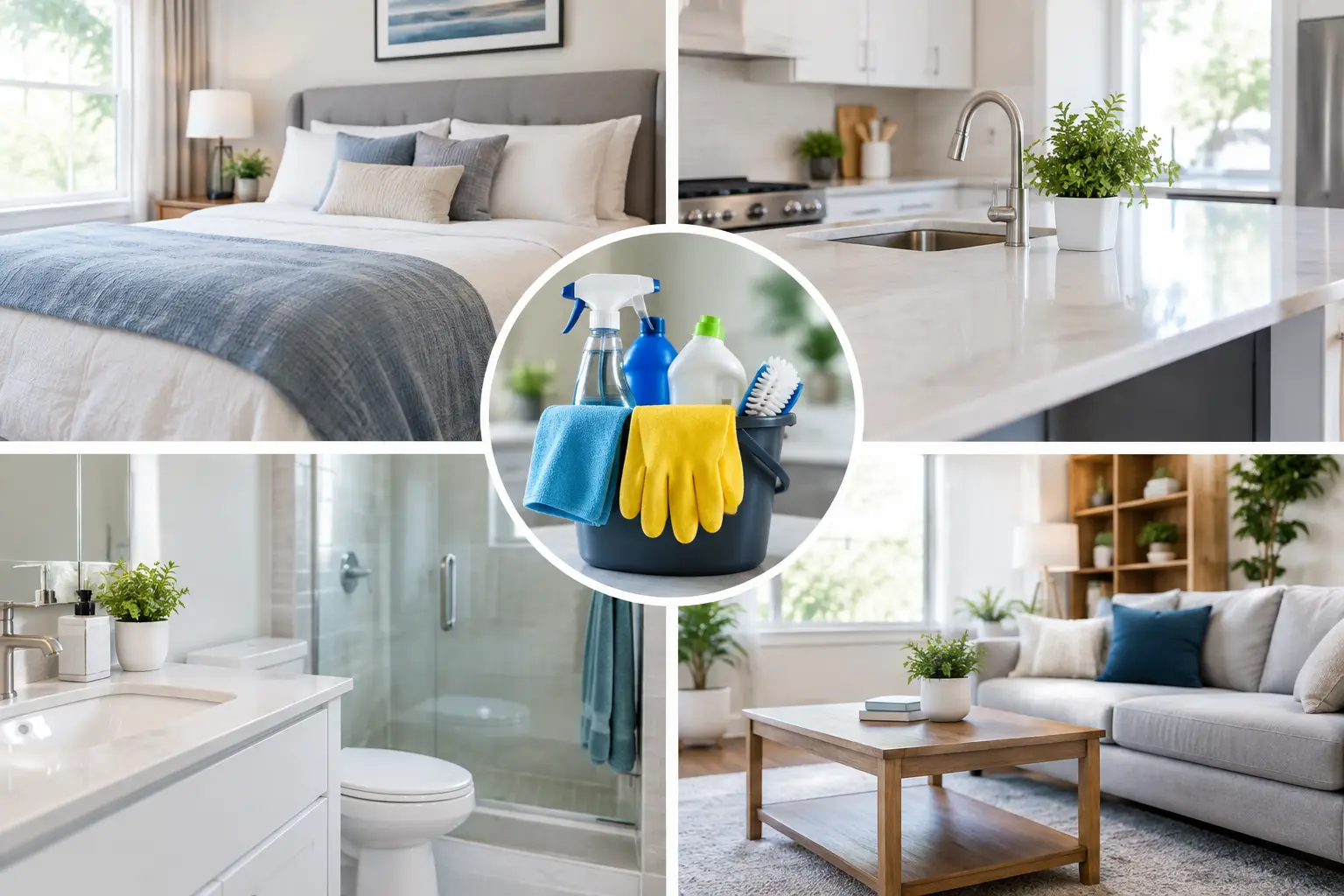



Some cleaning jobs look manageable until you start pulling furniture away from the wall or wiping the top of a door frame. That is usually when a regular tidy-up turns into a real reset. A deep house cleaning checklist helps you see the full scope before you begin, so nothing major gets missed and the work feels more organized from the start.
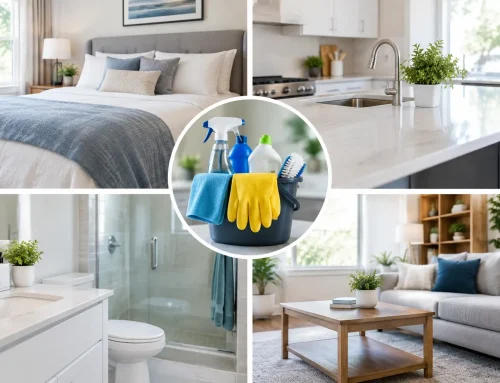
Deep cleaning is different from routine maintenance. Weekly service keeps surfaces under control, but deep cleaning reaches the spots that collect buildup over time – baseboards, vents, light fixtures, appliance edges, grout lines, and the areas behind or under furniture. If your home has not had detailed attention in a while, or you are preparing for guests, moving, post-renovation cleanup, or a seasonal reset, this kind of checklist gives you a practical place to start.
What a deep house cleaning checklist should cover
A useful checklist is not just a long list of chores. It should help you work through the home in a logical way, with enough detail to catch hidden grime without turning the process into an all-day guessing game. In most homes, the priority areas are kitchens, bathrooms, floors, dust-prone surfaces, and high-touch points. After that, the right approach depends on the size of the home, whether pets live there, how much clutter is present, and how long it has been since the last deep clean.
There is also a trade-off between perfect and practical. Some households want every cabinet interior wiped out and every blind slat detailed. Others mainly need the heavy buildup handled so the home feels fresh again. That is why a checklist works best when it is thorough but flexible.
Deep house cleaning checklist by area
Kitchen
The kitchen tends to show the most visible buildup because it collects grease, crumbs, fingerprints, and daily traffic. Start with countertops, backsplash surfaces, sink fixtures, cabinet fronts, and appliance exteriors. Pay close attention to handles, switches, and the spaces where splatters settle.
A true deep clean usually goes further than surface wiping. That may include cleaning the stovetop in detail, degreasing the hood area, wiping the microwave inside and out, cleaning the refrigerator exterior and visible edges, and sanitizing the sink basin and drain area. If time allows, wiping shelves or drawers inside the refrigerator and pantry can make a noticeable difference, especially before restocking groceries.
Floors matter here too. Kitchen floors collect more sticky residue than most people realize, especially near the stove, sink, refrigerator, and trash area. A proper deep clean includes edges, corners, and the spaces that routine mopping often skips.
Bathrooms
Bathrooms need a different standard because residue builds in layers. Soap scum, hard water spots, hair, and product film can sit on surfaces even when the room looks clean at first glance. Toilets, tubs, showers, sinks, vanities, mirrors, and fixtures should all be cleaned in detail.
The biggest difference between light cleaning and deep cleaning is usually in the shower and around the toilet base. Grout lines, glass doors, tile edges, faucet bases, and caulk lines often need extra attention. If mildew or staining has had time to set, results may depend on the surface material and how long the buildup has been there.
Storage areas can be part of a bathroom deep clean too. Wiping cabinet fronts is standard, while cleaning inside vanity drawers or cabinets is often optional and best decided based on need.
Bedrooms and living areas
These rooms usually collect more dust than grime, but they should not be overlooked. Dust settles on ceiling fans, blinds, window sills, lamps, furniture tops, picture frames, and baseboards. Upholstered furniture can also hold dust, crumbs, and pet hair below the surface.
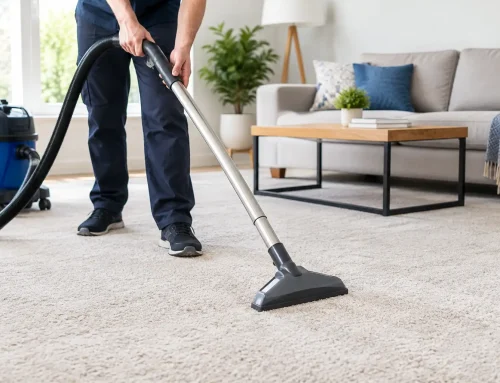
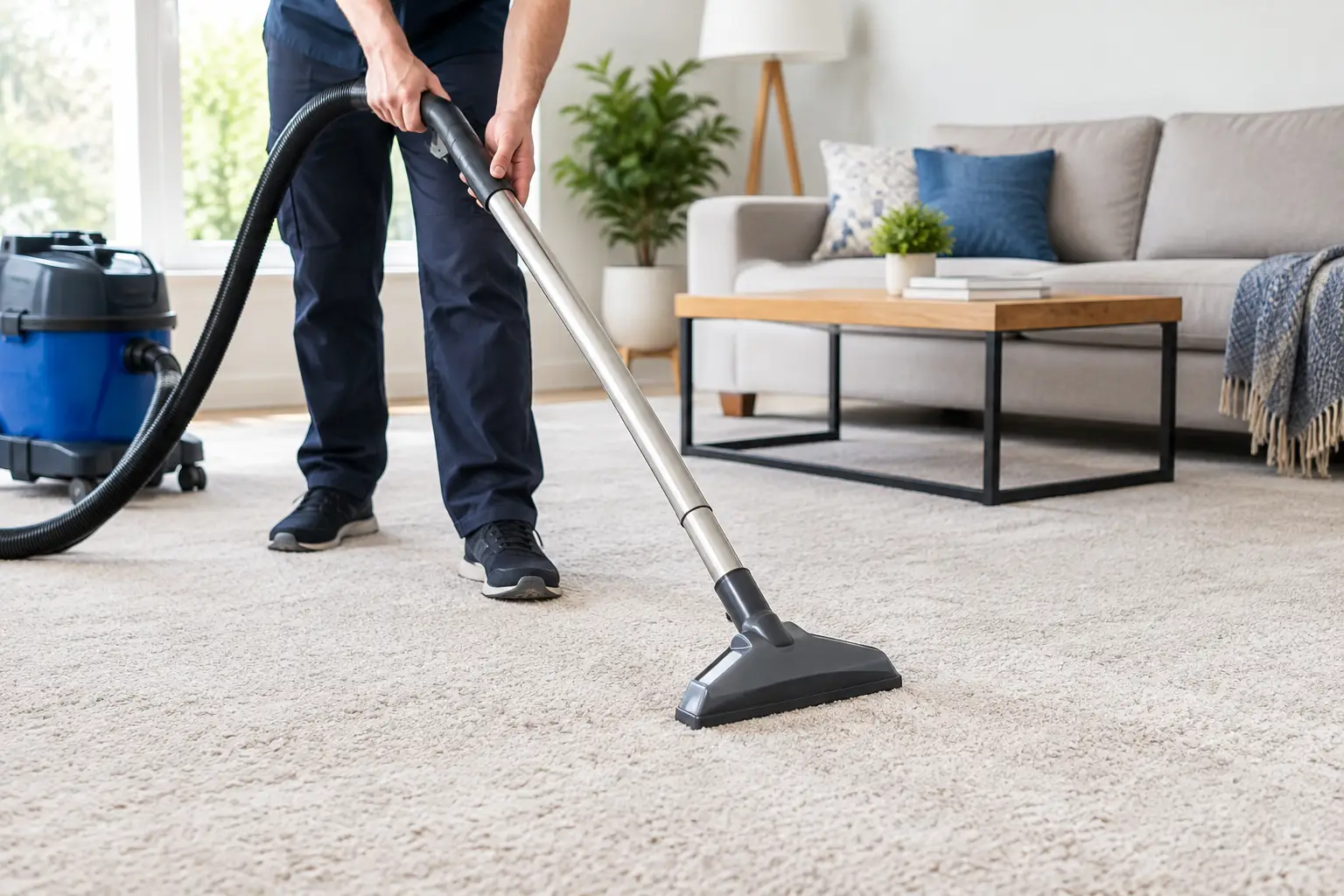
A strong room-by-room approach includes dusting high to low, wiping reachable surfaces, vacuuming rugs and carpet edges, and cleaning hard floors carefully around furniture legs and corners. If under-bed storage or heavily used seating areas are present, those spaces deserve extra attention because they often hide buildup that routine cleaning misses.
For homes with pets, bedrooms and living spaces may actually take longer than kitchens and baths. Hair gathers along baseboards, under furniture, and in fabric. The checklist should reflect that reality instead of assuming every room needs the same amount of time.
Entryways, hallways, and stairs
These transition areas take constant traffic and are often the first thing people notice when they walk in. Doors, trim, handrails, switch plates, and floors all deserve detailed attention. If your home has stairs, vacuuming or cleaning the edges where dust gathers can make the whole space feel fresher.
Entry areas also tend to collect outdoor dirt faster than other parts of the home. That makes them important during seasonal changes, rainy periods, or after renovation work.
The details that are easy to miss
A complete deep house cleaning checklist should include the spots most people do not think about until they look closely. Baseboards are a common example. They collect dust, hair, and scuff marks even in homes that are vacuumed often. Door frames, vents, blinds, ceiling fan blades, light switches, outlet covers, and interior window sills are also easy to skip during routine service.
Another often-missed area is the space around furniture rather than just the open floor. Dust and debris settle beside nightstands, behind sofas, under dining chairs, and along the edges of larger pieces that are not moved often. The same goes for appliance sides and the narrow gaps next to refrigerators or washers.
This is where a checklist earns its value. It keeps the work from stopping at eye level and helps create that truly refreshed feel homeowners are usually after.
When to handle it yourself and when to schedule help
Some deep cleaning projects are manageable on your own, especially if you break them into sections and spread the work over a few days. If your home is already in decent shape and you mainly need more detailed attention than usual, a DIY plan can work well.
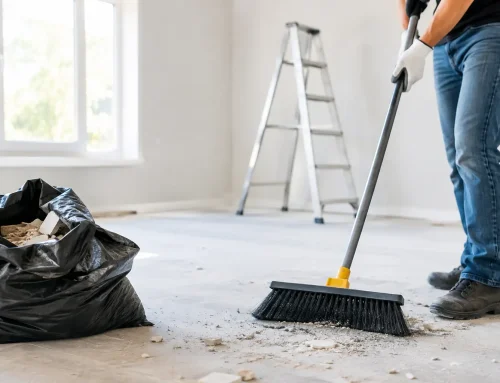
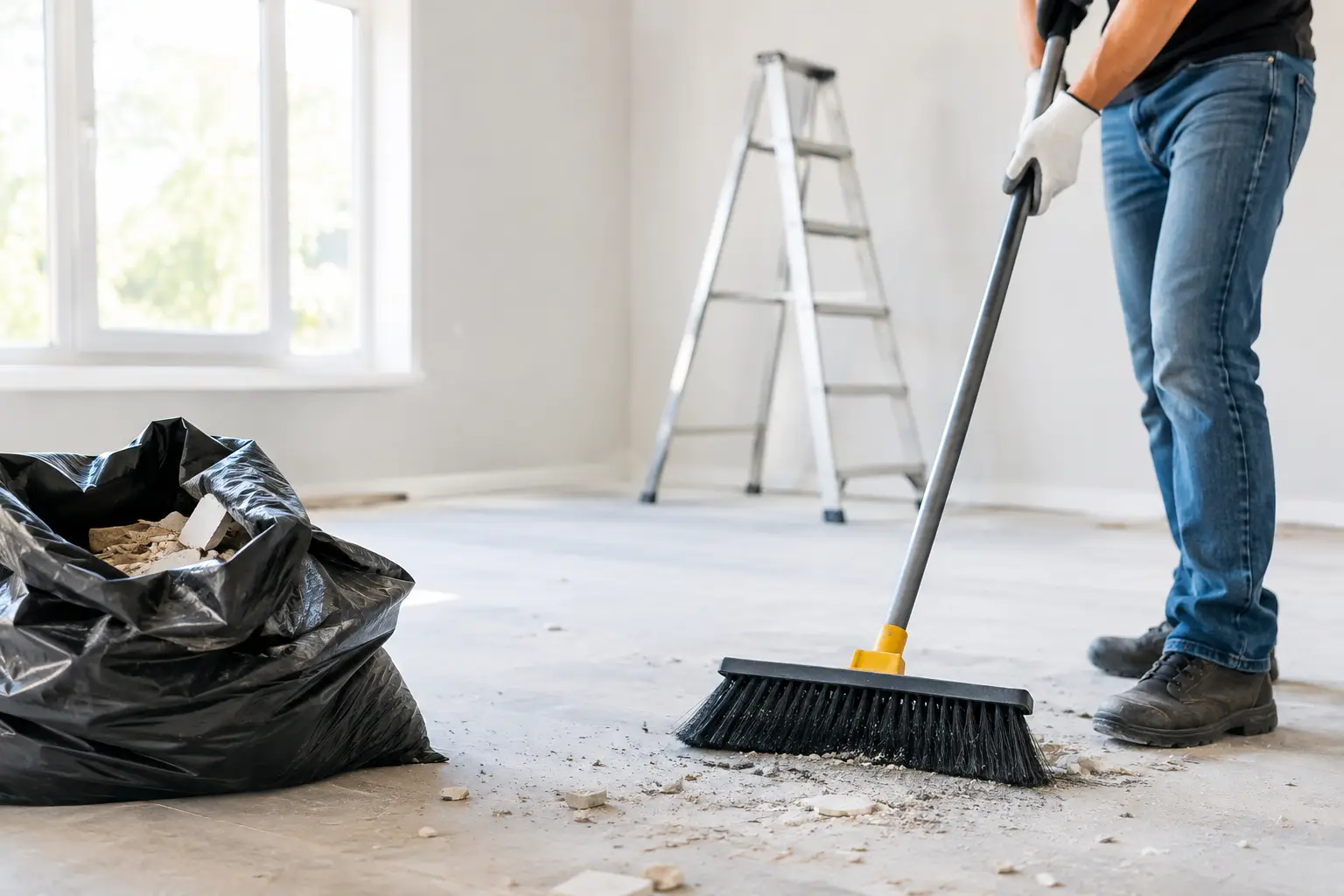
But there are times when professional help makes more sense. Large homes, move-out situations, post-renovation dust, neglected bathrooms, and kitchens with heavy grease buildup all require more labor and more consistency than many busy households can realistically give. The same is true for rental turnovers and homes being prepared for sale or guests.
Professional service also helps when the issue is not motivation but time. Many working adults know exactly what needs to be cleaned. They just do not have three to six spare hours to do it thoroughly. That is where a coordinated cleaning service saves stress and helps the home get back to a clean baseline faster.
How to use this checklist without getting overwhelmed
The best way to approach a deep clean is to decide what “done” means before starting. For one household, that may mean every room gets detailed top to bottom in a single visit. For another, it may mean focusing first on kitchens, bathrooms, floors, and dust-heavy surfaces, then addressing extras after that.
It also helps to walk your home once before cleaning day and note the problem areas. Look for buildup around fixtures, dust on trim, smudges on doors, neglected corners, and any rooms that need more than basic attention. A quick walkthrough gives the checklist structure and helps prevent wasted time.
If you are hiring help, being clear about priorities matters. Not every deep clean includes the same tasks, and homes vary widely in condition. Clear expectations lead to better results, especially when you need service tailored to your space, schedule, and budget.
For homeowners, renters, and property managers across Catawba County and nearby communities, that kind of clarity matters. CJ Cleaning Services works with vetted independent cleaning professionals to match clients with the level of service that fits the job, whether the need is a one-time reset, a move-related clean, or a more detailed starting point before recurring service begins.
A practical standard for a cleaner home
A deep clean should do more than make the house look presentable for a day. It should remove the buildup that makes a home feel harder to manage week after week. When you use a solid checklist, you create a cleaner starting point, and that usually makes everyday upkeep much easier.
If your home has been due for a reset, start with the areas that carry the most grime and traffic, then work outward. A clear plan takes the guesswork out of the process and makes the result feel worth the effort.