

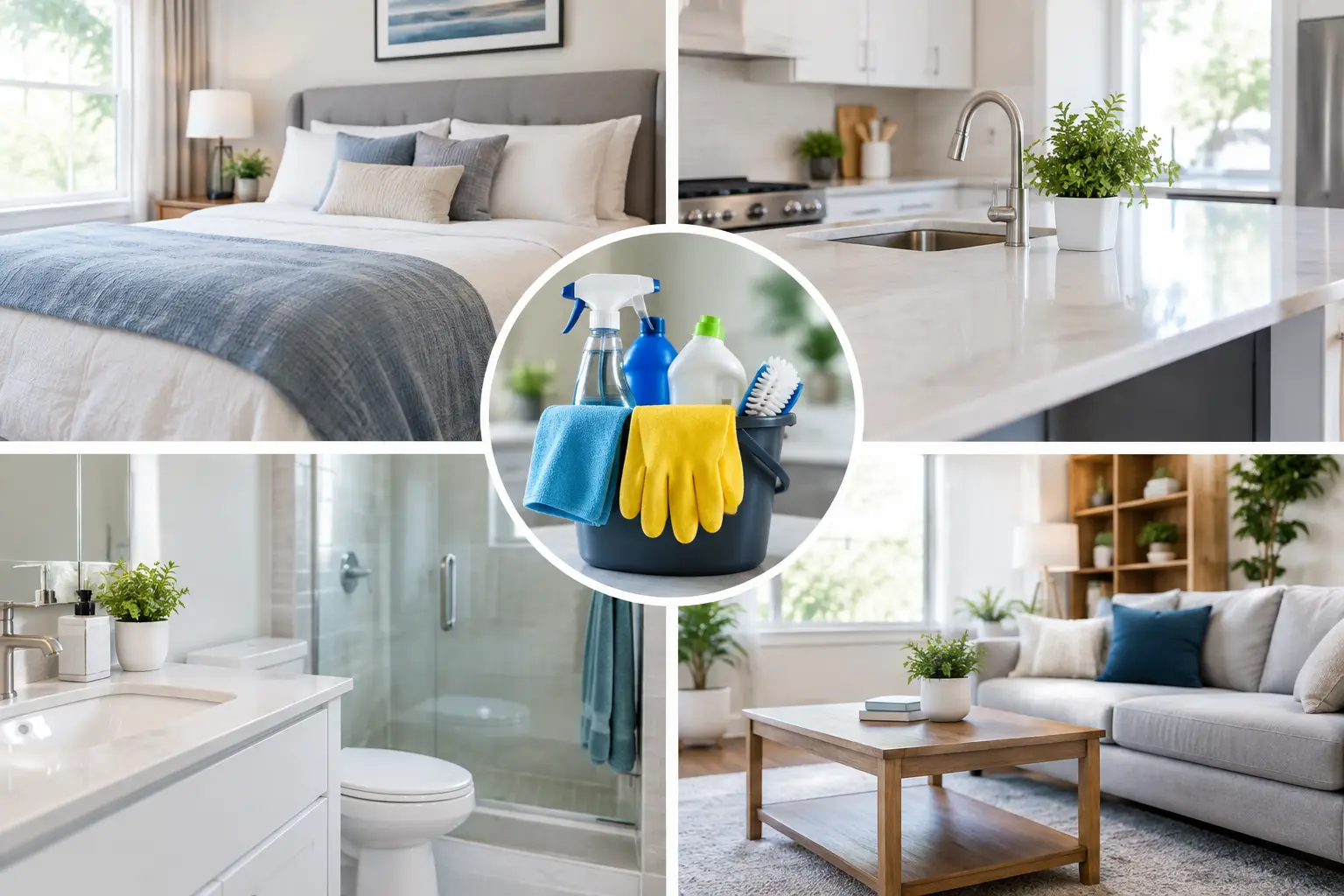
A kitchen can look tidy after the counters are wiped down and still hold a week’s worth of grease, crumbs, and fingerprints in the places no one sees. The same is true for bathrooms, bedrooms, and high-traffic entryways. If you are wondering which rooms need deep cleaning, start with the spaces that collect the most moisture, food residue, outdoor dirt, or daily use.
Regular cleaning keeps a home presentable. Deep cleaning reaches the buildup behind appliances, under furniture, inside fixtures, and along baseboards that routine chores often miss. The right priority depends on your household, pets, schedule, and whether you are preparing for guests, moving, or settling into a new home.
Which Rooms Need Deep Cleaning First?
For most homes, the kitchen and bathrooms should be first on the list. They are used every day, they collect bacteria-prone residue, and buildup can turn into odors, stains, and harder-to-clean surfaces if it is ignored. After that, focus on bedrooms, living areas, and entryways based on how your household uses them.
A deep clean does not have to mean every room gets the same treatment at the same time. A family with two dogs may need more attention in the living room and mudroom than in a formal dining room. A household that cooks most nights may need kitchen deep cleaning more often than a guest bathroom. Prioritizing the rooms with the greatest wear makes the service more useful and helps you get the best value from your time or cleaning budget.
The Kitchen: Highest Priority for Most Homes
Kitchens work hard. Grease settles on cabinet fronts, light fixtures, backsplashes, and the top of the refrigerator. Food particles collect under the stove, around small appliances, and in drawer corners. Even when the sink and counters are cleaned daily, those hidden areas can quickly become grimy.
A proper kitchen deep clean typically focuses on degreasing cabinet exteriors, cleaning appliance exteriors and accessible areas around them, scrubbing the sink and faucet, wiping baseboards, and addressing floors thoroughly. Interior appliance cleaning may be requested separately depending on the service and your needs.
Most active kitchens benefit from deep cleaning every three to six months. You may want it sooner after hosting holidays, completing a renovation, dealing with a pest concern, or moving into a home where the previous cleaning standard is unknown.
Bathrooms: Deep Clean for Health and Comfort
Bathrooms are small spaces with a lot happening in them. Soap scum, mineral deposits, mildew, hair, dust, and product residue build up on shower walls, fixtures, grout, exhaust vents, and the areas around the toilet. Left alone, that buildup can make a bathroom feel worn even when it is technically clean.
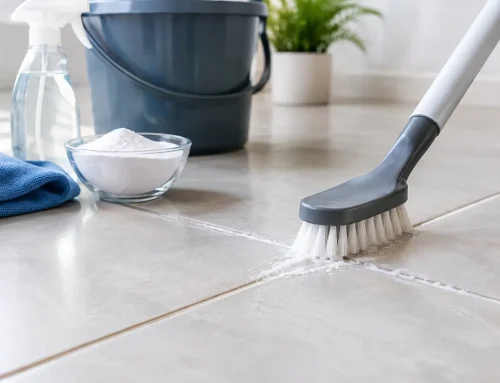
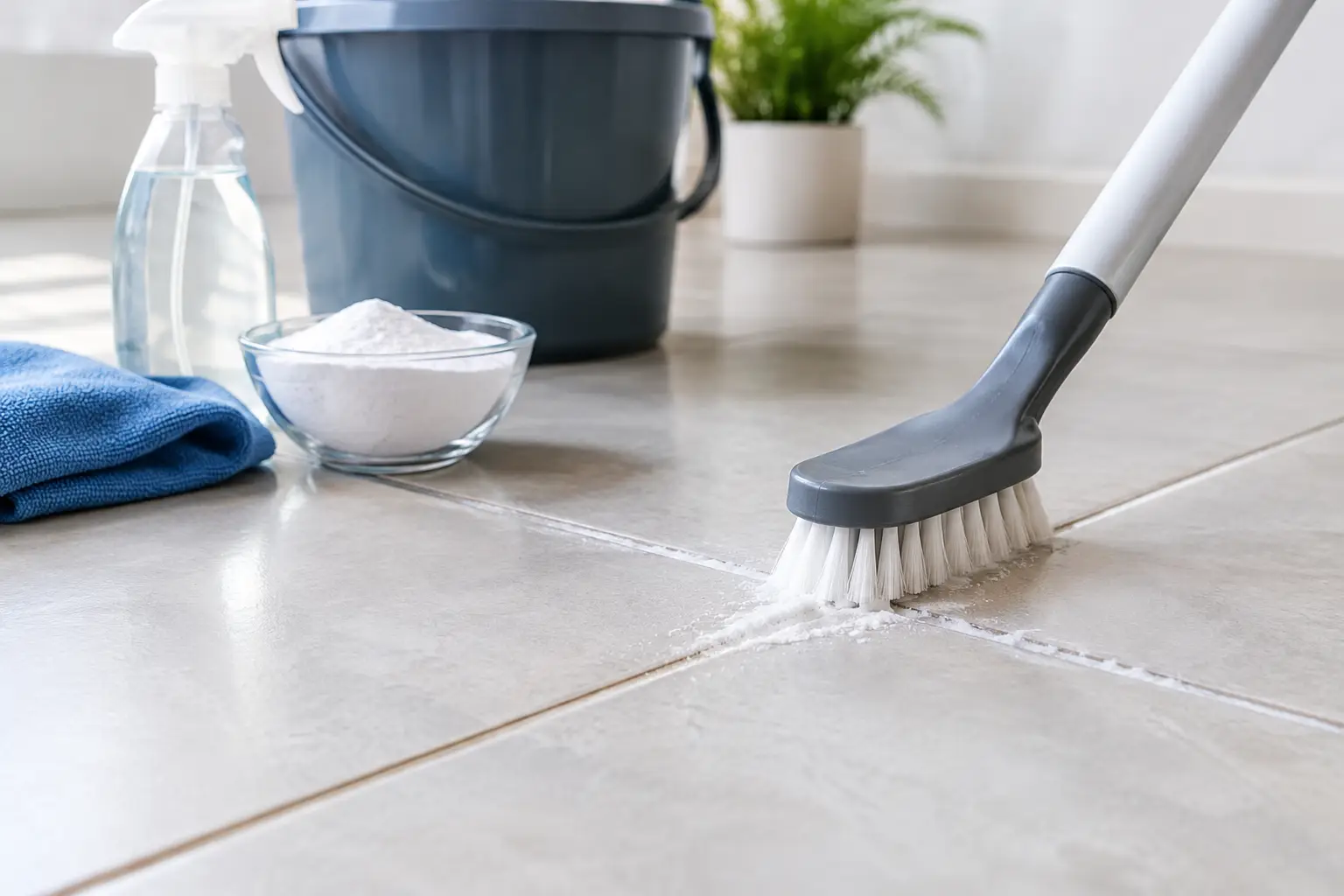
During deep cleaning, attention should go beyond the visible sink and toilet. Shower doors and tracks, tile and grout, cabinet fronts, baseboards, light switches, and hard-to-reach floor edges all deserve a closer look. In homes with hard water, mineral spots may need more frequent care. Tile and grout with discoloration may also benefit from specialty cleaning rather than repeated scrubbing with household products.
Bathrooms generally need deep cleaning every two to four months. A frequently used primary bathroom, children’s bathroom, or shared bathroom may need it more often.
Bedrooms and Living Areas Need More Than Dusting
Bedrooms and common areas are often lower priority than kitchens and bathrooms, but they should not be skipped. These rooms collect dust, pet hair, allergens, body oils, and everyday clutter slowly enough that it is easy to overlook the change.
In bedrooms, deep cleaning means moving beyond making the bed and vacuuming the center of the room. Consider the area under the bed, ceiling fan blades, window sills, baseboards, closet floors, and upholstered furniture. Mattresses, curtains, and rugs can also hold dust and allergens, especially in homes with pets or allergy-sensitive family members.
Living rooms and family rooms need similar attention. Sofas and chairs collect crumbs, pet hair, and spills. Dust settles behind televisions, around media consoles, on blinds, and beneath furniture that rarely gets moved. A deep cleaning can restore the room’s comfort without requiring a full redesign.
For many households, bedrooms and living areas need deep cleaning twice a year. Increase that schedule if you have shedding pets, young children, smokers, frequent visitors, or allergy concerns. Upholstery and carpet cleaning can be especially worthwhile before a major gathering or when a room has persistent odors.
Entryways, Hallways, and Mudrooms Take the Most Abuse
The spaces near your doors may be the smallest rooms in the home, but they carry a surprising amount of dirt. Shoes bring in pollen, red clay, road salt, grass, and moisture. Bags, coats, sports gear, and pet leashes create clutter quickly. Hallways also show scuffs along walls and dust along baseboards because people pass through them constantly.
Deep cleaning these areas includes detailed floor care, baseboard cleaning, wiping doors and handles, cleaning walls where needed, and clearing dust from corners. If your home has tile, luxury vinyl, or hardwood floors, the right cleaning method matters. Over-wetting floors or using harsh products can cause damage, so specialty floor revitalizing or tile-and-grout service may be the better choice for heavily soiled surfaces.
Plan a deeper entryway cleaning at least seasonally, especially in North Carolina’s wet, pollen-heavy spring months and after periods of heavy outdoor activity.
Rooms That Need Deep Cleaning for Specific Situations
Some rooms become priorities because of an event, not because of the calendar. A guest room may need a full refresh before family visits. A laundry room may need attention when lint, detergent residue, and dust accumulate behind machines. A home office may need detailed cleaning after months of video calls, coffee breaks, and paperwork.
Move-in and move-out situations call for a broader approach. Empty homes make it easier to clean inside cabinets, closets, appliances, and along every baseboard. Post-renovation cleaning is another special case. Fine construction dust settles far beyond the work area and can continue appearing after the project looks finished.
For short-term rentals, bedrooms, bathrooms, kitchens, and guest-facing living spaces need consistent detailed attention between stays. Deep cleaning on a scheduled basis helps protect reviews, reduce maintenance surprises, and keep the property ready for the next guest.
How Often Should You Schedule a Whole-Home Deep Clean?
A whole-home deep clean every six months works well for many households that keep up with routine cleaning. Quarterly service is often a better fit for busy families, pet owners, households with allergies, and people who want to maintain a consistently polished home without giving up a weekend to catch up.
Monthly or biweekly recurring cleaning can handle everyday tasks such as bathrooms, kitchen surfaces, dusting, and floors. Adding periodic deep cleaning gives the service team time to address the details that fall outside a standard maintenance visit. This combination is often more manageable than waiting until the entire home feels overwhelming.
For commercial spaces, the priorities shift slightly. Restrooms, break rooms, lobbies, and customer-facing floors usually need the most frequent deep attention. Offices with carpet, tile, or high-touch surfaces may benefit from scheduled specialty services to maintain a professional appearance for employees and visitors.
When It Makes Sense to Bring in Professional Help
Deep cleaning can be physically demanding and time-consuming, particularly when floors need specialty treatment, upholstery has stains, or a move is approaching. Professional support is useful when you need a dependable reset, have limited time, or want a cleaner to handle areas that require the right products and equipment.
CJ Cleaning Services helps homeowners, renters, property managers, and local businesses coordinate trusted cleaning support that fits the job at hand. Whether you need a one-time deep clean, recurring help, carpet care, or preparation for a move, a clear scope of work helps ensure the rooms that matter most receive the attention they need.
Start with the rooms that affect your daily comfort first. A clean kitchen and bathroom can change how the whole home feels, and a plan for the remaining spaces keeps deep cleaning practical instead of stressful.