


A low bid can win the account and still lose you money for months. A high bid can protect your margins and never get a callback. That is why learning how to bid janitorial and commercial cleaning jobs comes down to more than picking a number. You need a process that accounts for labor, scope, frequency, building conditions, and customer expectations before you submit a proposal.
For office managers, property managers, and local business owners, pricing matters because they want dependable service without surprises. For cleaning providers, the goal is just as practical – offer a fair number, set clear expectations, and build a service plan that can actually be delivered consistently.
What makes commercial cleaning bids different
Commercial and janitorial work is usually priced around repeated service, not just a one-time result. A small office cleaned three nights a week is a very different job than a medical-adjacent facility, a retail storefront, or a large multi-tenant building with shared restrooms and breakrooms. The square footage matters, but it is never the whole story.
A building with light foot traffic, hard floors, and tidy staff habits may take far less time than a smaller space with heavy restroom use, carpet spotting, trash overflow, and fingerprint-prone glass. That is why experienced providers do not quote from square footage alone. They evaluate how the space is used, how often it needs service, and what level of detail the client expects.
How to bid janitorial and commercial cleaning jobs the right way
The strongest bids start with a walkthrough. If you skip that step, you are guessing. During the walkthrough, look at the layout, flooring types, restroom count, kitchen or breakroom conditions, entry glass, shared touchpoints, and any special cleaning requirements.
Pay attention to what the client says and what the building shows you. Some customers ask for basic nightly service but expect polished presentation every morning. Others care most about restroom sanitation and trash removal while keeping costs controlled. Your bid needs to reflect the real service standard, not just a vague request for cleaning.
Start with the scope of work
Before you price anything, define exactly what is included. Daily trash removal, vacuuming, dusting, restroom sanitizing, breakroom wipe-downs, and floor care may all sound standard, but frequency changes everything. Vacuuming five days a week costs more than twice-a-week vacuuming. Interior glass on entry doors may be quick in one building and a recurring frustration in another.
A clear scope of work should identify the tasks, how often they are performed, and any exclusions. If carpet extraction, strip-and-wax services, tile scrubbing, upholstery cleaning, or post-construction cleanup are not part of routine janitorial service, say so. This protects both sides from misunderstandings later.
Estimate labor first, not price first
The biggest mistake in bidding is backing into a number based on what feels competitive. A better method is to estimate labor hours first. Walk the property and determine how long each visit should take with the staffing level required to do the work well.
For example, a modest office suite may only need one cleaner for two hours, three times a week. A larger professional building may need a team approach to handle restrooms, common areas, and floor care efficiently. Once you know estimated labor time per visit, multiply it by service frequency to get your weekly or monthly labor hours.
That estimate should include setup, supply handling, restroom restocking if applicable, and travel time if the property is not near your normal route. If a building requires after-hours access, alarm procedures, or elevator use in a multi-story setup, that can affect labor too.
Build in your direct costs
After labor, account for cleaning supplies, consumables if you provide them, equipment usage, and transportation. Some clients supply paper products, trash liners, soap, and other restroom items. Others expect the cleaning company to handle all of it. That difference can change a bid significantly.
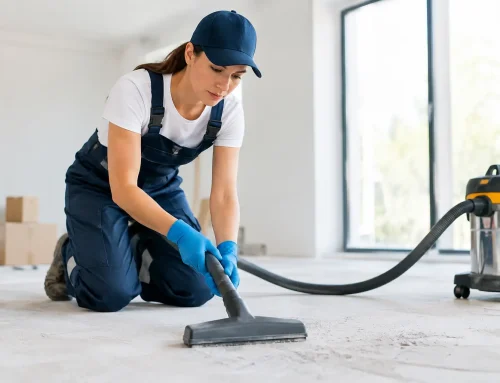
Equipment matters as well. A straightforward office may only require standard vacuums and microfiber systems. A facility with large hard-floor areas may need auto scrubbers, burnishers, or periodic floor refinishing. If your proposal includes specialty floor maintenance, that should be priced separately or clearly scheduled as an add-on service.
Add overhead and profit on purpose
If you only cover labor and supplies, you are not running a healthy operation. Insurance, administrative time, scheduling, quality control, customer communication, and account management all belong in your pricing structure. This is especially true when clients expect reliable service, quick issue resolution, and consistent documentation.
Then add profit deliberately. Many underpriced janitorial contracts happen because the provider is afraid to lose the job. The problem is simple: if the account is not profitable, service quality often slips or the contract becomes difficult to sustain. A fair bid should support dependable work over time, not just help you win the first month.
Common ways to price the job
Most janitorial bids are built one of three ways: by the hour, by square footage, or by task-based monthly pricing. In practice, many providers use a mix.
Hourly pricing can work for irregular or unclear scopes, but clients often prefer fixed monthly rates for recurring service because it is easier to budget. Square-foot pricing gives a quick benchmark, but it needs adjustment for traffic, layout, and cleaning intensity. Task-based monthly pricing is often the strongest option for recurring accounts because it ties cost directly to the service schedule and expectations.
If you use square footage as a starting point, treat it as a benchmark, not a promise. A 10,000-square-foot office with low traffic may be easier than a 4,000-square-foot medical-adjacent suite with frequent restroom use and strict touchpoint cleaning.
What to look for during a walkthrough
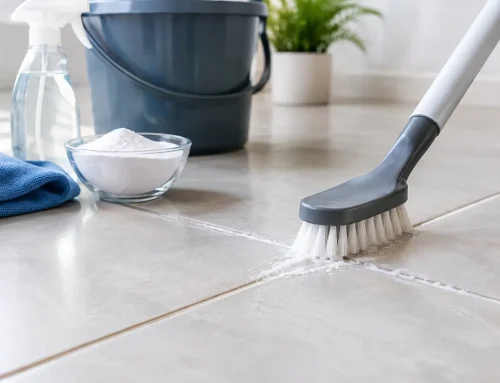
A good walkthrough helps you catch issues that affect pricing before they become your problem. Look for floor condition, not just floor type. Worn VCT, heavily soiled grout, or carpet with recurring spotting may need corrective service before regular maintenance can keep up.
Notice clutter too. Cleaning around packed desks, storage rooms, or stacked inventory takes longer than working in an organized environment. Ask whether the client expects cleaners to move chairs, tidy surfaces, or work around sensitive equipment. Those details affect labor and risk.
It is also smart to ask who empties personal trash cans, who handles dishes in breakrooms, and whether there are supply closets on site. Small operational details often have a bigger impact on time than people expect.
Mistakes that throw bids off
One common mistake is failing to define frequency. If the proposal says restroom cleaning is included, the client may assume daily attention even if your price only supports twice-weekly service. Another mistake is ignoring periodic work. High dusting, baseboard detail, interior glass, carpet spotting, and machine floor care may not be needed every visit, but they still need to be accounted for somewhere in the agreement.
Another issue is bidding against the cheapest number instead of the actual job. Low pricing may win price-sensitive clients, but it can also create service gaps, rushed visits, and frustration on both sides. In a professional setting, reliability often matters more than saving a small amount each month.
How to present the bid professionally
A strong proposal should be easy to read and easy to approve. Start with the service location, service frequency, and scope of work. Then show the monthly rate, note any one-time startup or deep-clean charges if needed, and identify optional add-on services separately.
Use straightforward language. If something is not included, say so. If the first visit requires extra detail because the building needs a reset, separate that from routine janitorial pricing. That approach helps the client understand why the regular monthly rate looks different from an initial cleanup.
For local businesses, clarity builds trust. Companies like CJ Cleaning Services, LLC understand that customers want a smooth process from quote to scheduling, especially when they are balancing daily operations and need dependable support without micromanaging the service.
When the lowest bid is not the best bid
Business owners and property managers are often comparing more than price. They are looking at responsiveness, professionalism, screening standards, reliability, and whether the service provider seems organized enough to support the account long term. A bid that is slightly higher but clearly explains scope, scheduling, and accountability can be the safer choice.
That is especially true for customer-facing spaces. A missed restroom check, smudged entry glass, or inconsistent trash service reflects on the business itself. Cleanliness is part of presentation, and presentation affects customer confidence.
Final pricing depends on the real workload
If you want to know how to bid janitorial and commercial cleaning jobs accurately, the short answer is this: inspect the space, define the work, estimate labor honestly, and price for consistency rather than guesswork. Every building has its own rhythm, and the right bid reflects how the property is actually used, not just how it looks during a quick visit.
A solid cleaning bid should make both sides feel confident from the start. When the expectations are clear and the pricing matches the workload, it becomes much easier to build the kind of service relationship that lasts.