

A vacant rental can look fine at first glance and still leave the wrong impression. Dust in a ceiling fan, grease behind the stove, hair in a shower drain, or crumbs in a cabinet can make new tenants or guests question how the property has been maintained. This rental property cleaning example shows what a thorough turnover should cover so the space feels clean, cared for, and ready for its next occupant.
Whether you manage one home, several apartments, or a short-term rental, cleaning is more than a final task between occupants. It is part of protecting the property, supporting positive reviews, and making move-in day easier for everyone involved.
Rental Property Cleaning Example: A Complete Turnover
Consider a two-bedroom, two-bath rental home after a tenant has moved out. The home is empty, but it has normal signs of use: dust on baseboards, fingerprints on doors, soap residue in the bathrooms, buildup in the kitchen, and debris in closets and drawers.
A proper turnover begins with a walk-through before anyone starts cleaning. Check for damage, abandoned belongings, maintenance concerns, pest activity, and areas that need extra attention. Cleaning should not hide problems such as a leaking pipe under a sink, damaged flooring, broken blinds, or a malfunctioning appliance. Addressing these issues first keeps the final result from being undermined by a preventable surprise.
Once the property is cleared and repairs are handled, the cleaning process should move from high surfaces to low surfaces and from dry work to wet work. That approach prevents dust and debris from settling onto areas that have already been cleaned.
Entryways, living areas, and bedrooms
Start by removing cobwebs from corners, ceiling lines, vents, and light fixtures. Dust ceiling fans, blinds, window sills, baseboards, doors, trim, shelving, and reachable ledges. Wipe switch plates, door handles, and other high-touch surfaces, especially if the property will be shown soon.
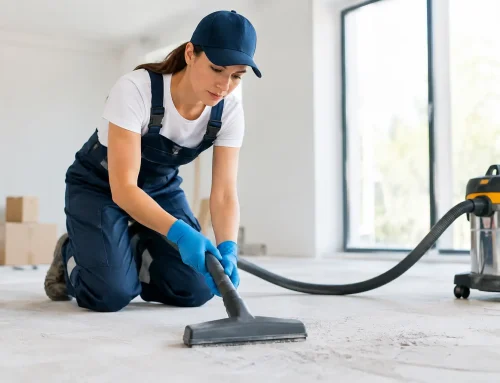
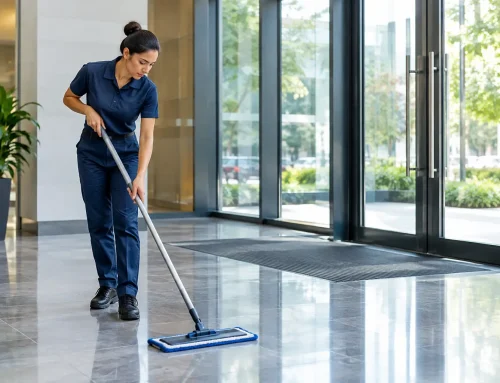
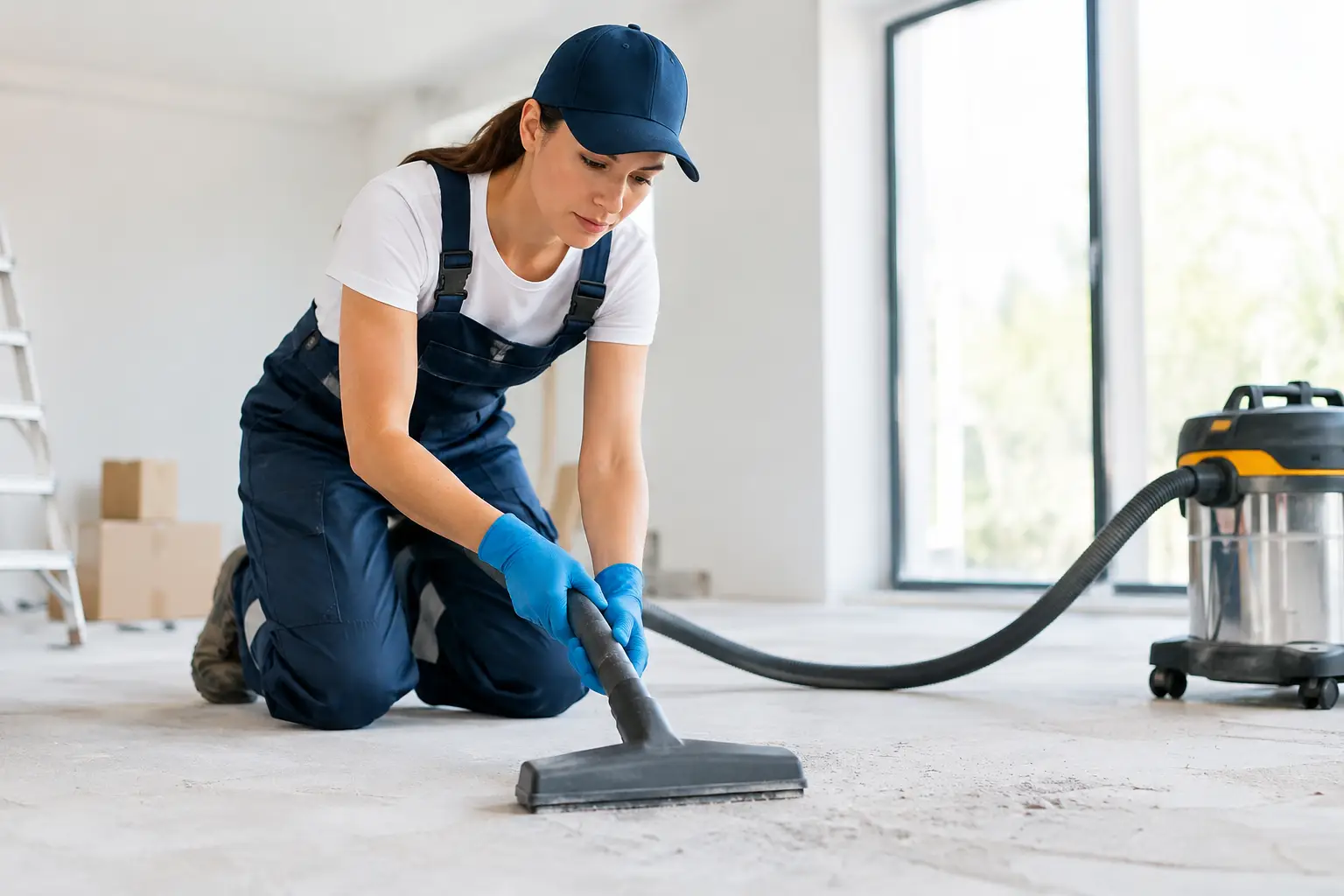
Empty closets should be vacuumed or swept, including corners and shelf edges. In bedrooms and living areas, move lightweight furniture if any remains and clean beneath it. Vacuum carpets slowly enough to lift embedded dirt, then treat visible spots as needed. Hard-surface floors should be swept and mopped with a product appropriate for the material.
Windows are a judgment call. Interior glass, tracks, and sills often need attention between tenants. Exterior window cleaning may be appropriate when buildup affects the property’s appearance, but it depends on the lease, access, season, and condition of the glass.
Kitchen cleaning that meets move-in expectations
The kitchen often determines whether a rental feels truly clean. Begin with the refrigerator after it has been emptied and turned off if necessary. Wipe shelves, drawers, seals, handles, and the exterior. Pull the refrigerator forward when safely possible to vacuum or mop the floor beneath and remove dust from accessible coils or vents.
Clean the oven interior, racks, stovetop, burner grates, control knobs, hood, backsplash, and microwave. Degrease cabinet fronts, paying close attention to handles and areas near the range. Wipe the inside of cabinets and drawers, then remove crumbs and residue from corners.
Finish the kitchen by scrubbing the sink, faucet, drain area, and disposal splash guard if present. Polish stainless steel carefully to avoid streaking. Countertops should be cleaned with a product that matches the surface. Natural stone, for example, should not be treated like laminate or sealed quartz.
A kitchen is not ready simply because it smells fresh. Open every cabinet and appliance door during the final inspection. A clean-looking exterior can hide food particles, spills, or greasy buildup inside.
Bathroom cleaning that does not cut corners
Bathrooms require close attention because residue accumulates quickly and is easy for an incoming tenant or guest to notice. Clean and disinfect the toilet inside and out, including the base, seat hinges, lid, flush handle, and surrounding floor. Scrub the shower or tub, walls, fixtures, shower door or curtain rod, and drain.
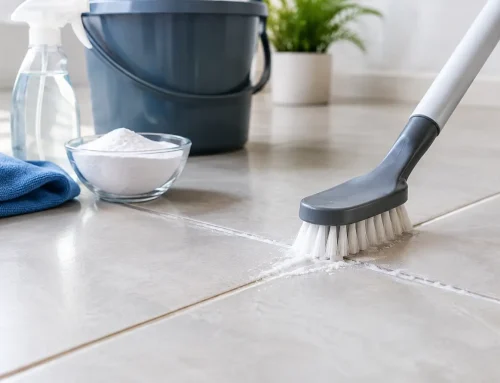
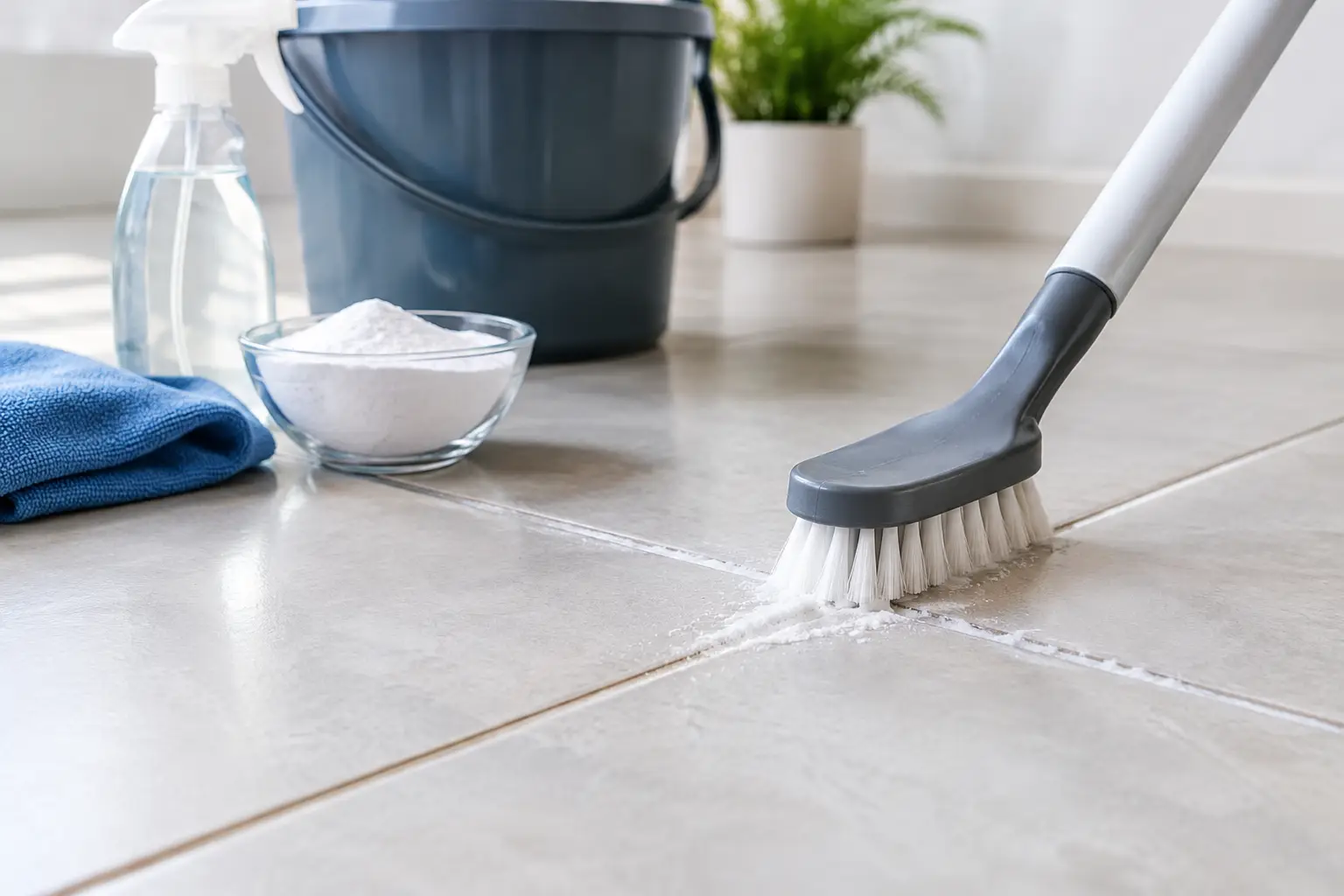
Remove soap scum and hard-water buildup from tile, glass, and faucets using products that are safe for the surface. Grout may need more than a standard wipe-down if it is visibly discolored. In that case, a deeper tile and grout service can make a meaningful difference, particularly in older rentals.
Wipe mirrors, vanity lighting, cabinets, drawers, counters, sinks, and exhaust fan covers. Do not overlook the space behind the toilet or the ledges around a tub. These small areas are often where a rushed cleaning shows.
What Changes for Short-Term Rental Cleaning?
A short-term rental needs the same cleaning standards, but the turnover has additional operational details. Guests expect a hotel-like reset, and they are likely to mention missed details in their review. The property should be cleaned, inspected, restocked, and staged before the next check-in.
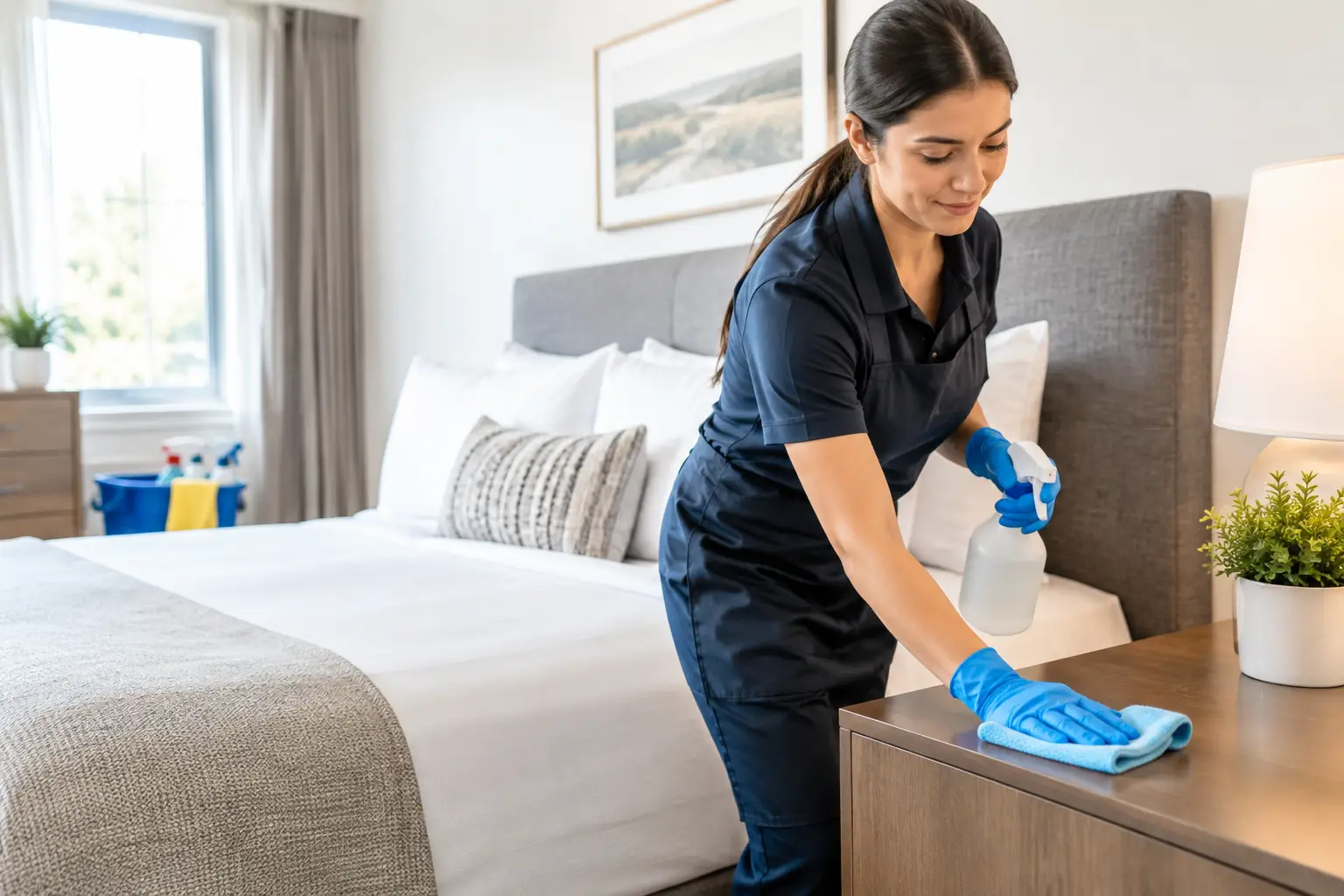
In addition to the regular turnover work, check linens for stains, replace towels, empty coffee makers, clean remote controls, test lights and Wi-Fi equipment, and make sure kitchen supplies are in their assigned places. Remove food from the refrigerator unless the host intentionally provides sealed welcome items. Check outdoor spaces as well, including porches, entry mats, grills, and patio furniture.
Speed matters with short-term rentals, but it should not come at the cost of a reliable inspection. A same-day turnover may require a different schedule, additional cleaner coverage, or a tighter maintenance process. For properties with frequent bookings, a consistent checklist and dependable cleaning coordination are more practical than starting from scratch after every guest.
A Practical Cleaning Scope for Property Managers
Not every turnover requires the same level of service. A lightly used unit may need a standard move-out clean, while a home that has been vacant for months may require deeper work. Carpet extraction, upholstery cleaning, odor treatment, floor revitalizing, or post-renovation cleaning may be needed when the condition calls for it.
The best way to avoid confusion is to define the cleaning scope before service begins. Note the number of bedrooms and bathrooms, the condition of appliances, floor types, whether the home is furnished, the presence of pets, and any areas that need special attention. Photos taken before and after service can also help document the property condition for owners, tenants, and management records.
For example, a property manager may request a standard turnover for the main living areas and bedrooms, then add oven cleaning, refrigerator cleaning, carpet cleaning, and inside-window cleaning. Another owner may need a recurring short-term rental reset with linen changes and supply checks. Clear expectations lead to accurate pricing and fewer last-minute surprises.
Final Inspection Before the Next Move-In
The final walk-through should be completed with the same care as the initial inspection. Turn on lights, run faucets, flush toilets, check appliances, and look at the home from the perspective of someone arriving for the first time. Walk slowly through each room and check corners, closets, floors, fixtures, and high-touch areas.
Pay attention to odor. A clean rental should smell neutral, not heavily fragranced. Strong air fresheners can cover up smoke, pet, mildew, or drain odors without solving the underlying issue. If an odor remains after cleaning, identify the source before the next tenant or guest arrives.
A dependable turnover also means leaving the property organized. Replace keys or access instructions in the agreed location, remove cleaning supplies unless they are intentionally left for the occupant, and make sure trash has been taken out. These details support a smooth handoff and show that the property is managed with care.
For rental owners and property managers in Catawba County and nearby communities, CJ Cleaning Services can coordinate vetted independent cleaning professionals for move-out cleans, short-term rental turnovers, carpet care, and specialty cleaning needs. The right cleaning plan gives your next tenant or guest a better first impression and gives you one less task to manage before the door opens.