

A professional cleaning visit should make your workday easier, not create extra coordination for your staff. When you prepare office for janitorial cleaning before the team arrives, cleaners can focus on high-value work: disinfecting touchpoints, caring for floors, refreshing restrooms, and keeping common areas presentable. A few simple routines also protect confidential information, reduce safety hazards, and help the service stay on schedule.
For busy offices in Catawba County and nearby North Carolina communities, preparation does not mean cleaning before the cleaners arrive. It means creating clear access and removing the small obstacles that slow down a thorough job. The result is a cleaner workplace, more consistent service, and less disruption for employees and visitors.
Prepare Office for Janitorial Cleaning Before Service Day
The best preparation begins with a clear understanding of what your janitorial service includes. Every office has different priorities. A medical-adjacent office may need extra attention to disinfecting protocols and waiting areas, while a professional office may place more emphasis on desk-area dusting, restrooms, break rooms, and polished entryways.
Review the agreed service scope with your cleaning coordinator, especially at the start of service or after a change in staffing, office layout, or business hours. Confirm which areas are cleaned at every visit, which are handled periodically, and which require separate specialty service. Carpet cleaning, upholstery care, tile and grout cleaning, and strip-and-wax floor work usually require additional planning beyond routine janitorial cleaning.
It also helps to identify any spaces that are off-limits. Server rooms, records storage, executive offices, supply closets, and areas containing sensitive equipment may need restricted access or specific instructions. A short written note is often better than relying on verbal directions that can be missed during a busy day.
Secure confidential information and personal belongings
Cleaning professionals should be able to work around normal office equipment, but confidential materials should never be left out unnecessarily. Before service, employees should file paperwork containing customer details, financial records, personnel information, medical information, or other private data. Lock documents in cabinets or designated storage whenever possible.
Ask staff to clear personal valuables from desktops, including wallets, cash, jewelry, headphones, and small electronics. This is not about distrust. It is a professional workplace practice that prevents misunderstandings and gives everyone peace of mind.
A clear-desk policy can make routine janitorial service more effective. When desks are covered with loose papers, food containers, cords, and personal items, cleaners cannot safely dust or wipe all surfaces. Your team does not need to empty every drawer or remove working equipment. Simply keeping the desk surface reasonably clear allows for better cleaning around monitors, phones, and workstations.
Remove trip hazards and floor obstacles
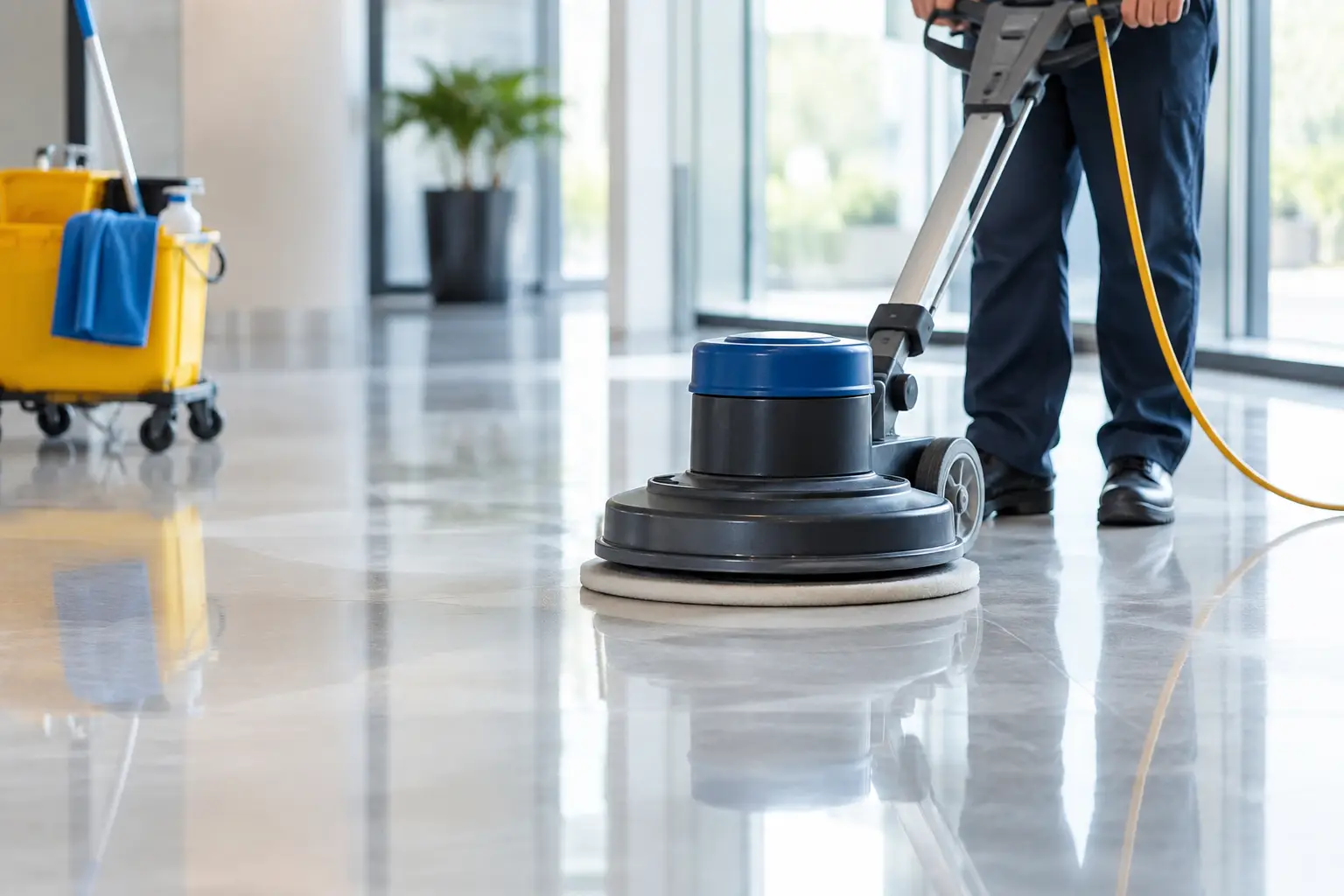
Floors collect more than visible dirt. Entrances, hallways, break rooms, and workstations can quickly gather cords, rolling chairs, boxes, bags, and delivery materials that block vacuuming or mopping. A clear path lets cleaners reach more of the floor without moving items that may be important to your staff.
Before the cleaning appointment, have employees place bags and personal items under desks or in lockers. Move shipping boxes, display stands, and large temporary items out of aisles. If a floor area is blocked by furniture that cannot be moved, let the cleaning team know whether they should clean around it or if your staff will reposition it in advance.
Pay close attention to wet-floor safety. If the office will still be occupied during cleaning, share the expected work schedule so employees know when restrooms, kitchens, or entryways may be mopped. Scheduling after business hours is often the simplest choice for offices with steady foot traffic, although daytime cleaning can work well when the site has designated service windows.
Give Your Janitorial Team the Access They Need
Reliable access is one of the most overlooked parts of commercial cleaning. A cleaning professional cannot provide consistent service if they are waiting for a locked door to be opened, searching for a light switch, or unsure which restroom is available for use.
Choose an access plan that fits your office security requirements. This could be a designated staff contact, a key or fob process, a lockbox, or building management access. Make sure the plan includes what should happen if the contact person is unavailable. If your office is in a shared building, confirm any property rules for after-hours entry, parking, elevators, alarms, and trash disposal.
Provide instructions for the alarm system before the first visit. This may include who disarms it, what time the system is activated, and whom to contact if there is an issue. Do not place security codes in an open note at the front desk. Share sensitive information through the approved process with the responsible service coordinator.
Lighting matters, too. Ensure cleaners can turn on lights in the areas included in the service and identify any motion-sensor spaces that may need special handling. Good visibility supports both quality and safety.
Set Up Break Rooms and Restrooms for Better Results
Break rooms and restrooms are usually the hardest-working areas in an office, and they benefit from a little cooperation from everyone who uses them. Ask employees to take home personal dishes, dispose of old food, and label items left in shared refrigerators. Cleaning professionals can wipe surfaces and remove trash, but they should not have to guess whether an unlabeled container is safe to discard.
Keep cleaning-related supplies in an agreed location if your service arrangement requires the office to provide them. This might include paper towels, toilet paper, hand soap, trash liners, or restroom supplies. If the cleaning team supplies materials, establish a simple way to report low inventory before it becomes an urgent problem.
For restrooms, report maintenance concerns separately from cleaning needs. A leaking faucet, clogged toilet, loose dispenser, or damaged tile may affect cleanliness, but it requires a repair solution. Addressing these issues promptly helps protect your facility and prevents repeated frustration for employees and guests.
Communicate Changes Before They Affect Service
Janitorial service works best when communication is brief, direct, and timely. Let your service coordinator know about schedule changes, office closures, special events, construction work, or periods of unusually high traffic. A Monday after a company event may require more attention in the break room and meeting spaces than a typical visit.
Share changes in your office layout as well. New workstations, a renovated suite, relocated trash bins, or a newly opened conference room can change the time and process needed to clean the space properly. If you are preparing for a client visit, inspection, open house, or employee event, request any extra attention early rather than assuming it is part of the regular service.
The most useful feedback is specific. Instead of saying a room was missed, note the location and concern: fingerprints on the front glass door, a trash bin not emptied in a conference room, or dust along a particular baseboard. Clear details help the cleaning team correct the issue and maintain the standard you expect.
Use a Simple Employee Checklist
Consistency is easier when employees know their role before cleaning day. Consider posting a short internal reminder that asks staff to complete these tasks before they leave:
- Secure confidential paperwork and personal valuables.
- Clear food, dishes, and old items from shared spaces.
- Keep walkways, exits, and floor areas free of boxes and bags.
- Report spills, maintenance issues, or special cleaning needs promptly.
- Make sure meeting rooms are reset after late appointments or events.
This is not an extra burden for your team. It is a practical way to protect the workplace and help your cleaning service deliver more value during the scheduled time.
Know When Routine Janitorial Service Is Not Enough
Routine cleaning maintains the condition of your office, but certain situations call for a deeper or more specialized approach. Post-renovation dust, stained carpet, neglected grout, winter salt buildup, and worn hard floors can require dedicated equipment and additional time. Trying to squeeze specialty work into a standard recurring visit can lead to disappointing results or an incomplete service.
CJ Cleaning Services can help businesses coordinate dependable commercial cleaning support based on their facility, schedule, and priorities. Whether you need recurring office cleaning or an occasional floor-focused service, clear expectations and a vetted cleaning professional make the process easier to manage.
A prepared office gives cleaners room to do what you hired them to do: create a workplace that feels cared for the moment employees and customers walk in. Keep the process simple, communicate early, and treat cleaning preparation as part of the way your business protects its people, property, and professional image.