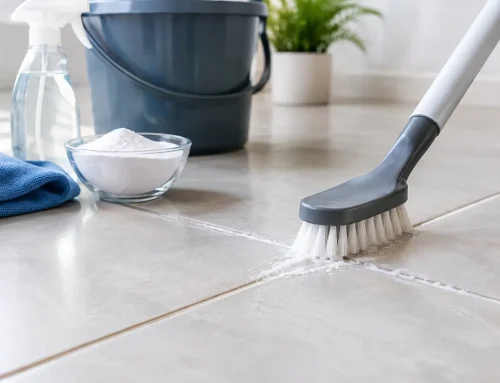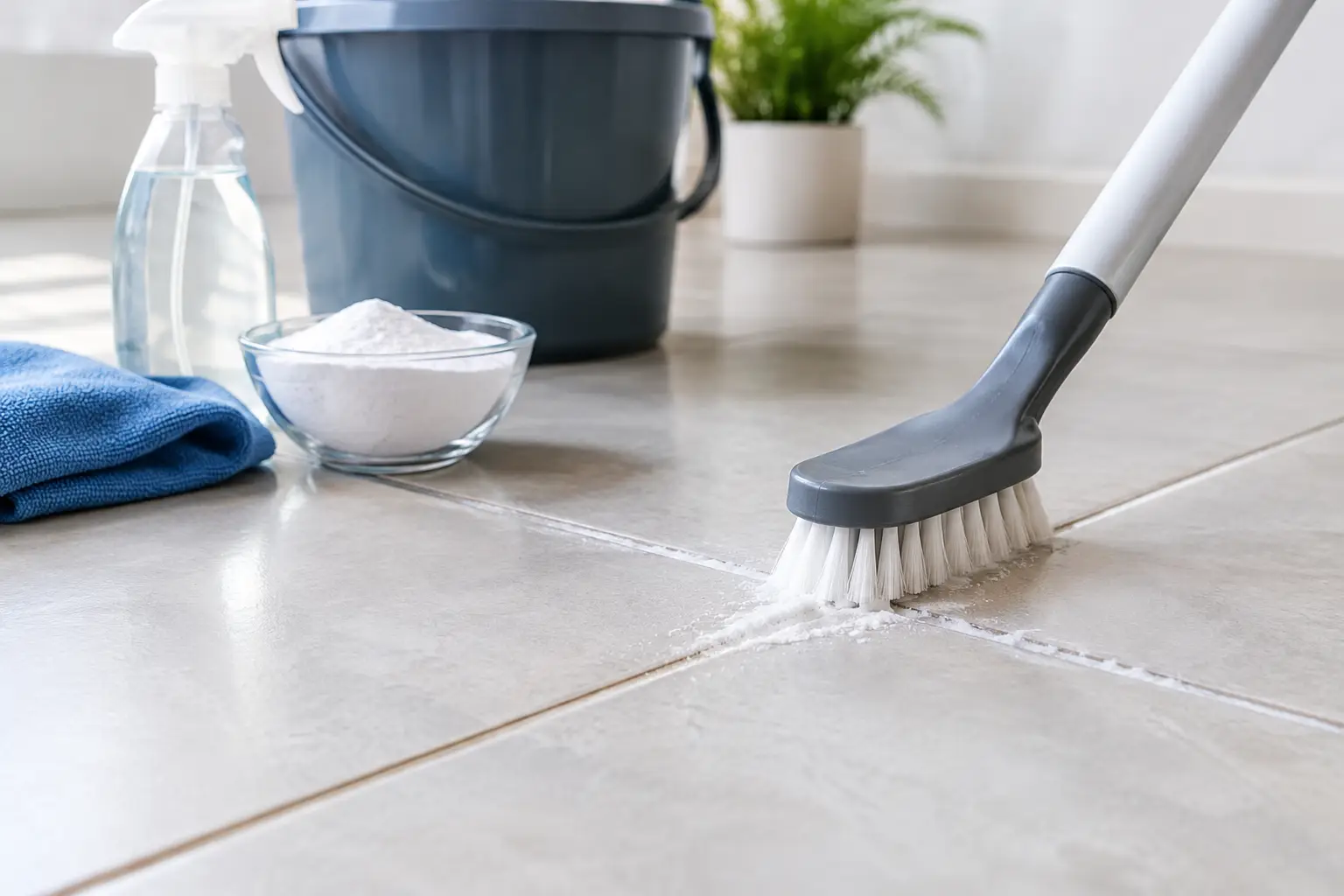


Freshly cleaned tile can make a kitchen, bathroom, lobby, or rental unit look completely renewed. Yet the lines between those tiles often collect stains again far sooner than expected. Understanding tile grout sealing benefits helps property owners protect the results of a professional tile and grout cleaning and reduce the effort required to keep hard surfaces looking their best.
Grout is more vulnerable than tile because it is naturally porous. It can absorb water, spills, oils, soap residue, dirt, and cleaning chemicals. Once discoloration settles below the surface, ordinary mopping may not be enough to remove it. A quality grout sealer adds a protective barrier that gives spills and soil less opportunity to soak in.
Why Tile Grout Sealing Benefits Matter
Tile is often chosen because it is durable, easy to maintain, and suitable for high-traffic spaces. The grout, however, can become the weak point of the installation. In a busy home, bathroom grout may take on residue from body wash, shampoo, makeup, and hard-water minerals. Kitchen floors and backsplashes may collect grease, food splatters, and tracked-in dirt.
For commercial properties, the challenge can be even greater. Entryways, break rooms, restrooms, and customer-facing floors see repeated foot traffic throughout the day. Short-term rentals face their own demands, since quick turnover schedules leave little room for stubborn grout stains or lengthy restoration work.
Sealing does not make grout maintenance-free, but it makes a meaningful difference. When the grout is protected, everyday messes are more likely to stay near the surface, where they can be cleaned before they leave a lasting mark.
Better Resistance to Stains and Spills
One of the most practical benefits of sealing is improved stain resistance. Unsealed grout can absorb dark liquids such as coffee, wine, soft drinks, cooking oils, and cleaning products. In bathrooms, hair dye and cosmetics can create particularly difficult discoloration.
A sealer slows absorption. That extra time matters because it gives you a chance to wipe up a spill instead of allowing it to penetrate the grout. This is especially useful in kitchens, rental properties, daycare areas, employee break rooms, and anywhere spills are part of normal daily activity.
The results depend on the type of grout, its condition, and the sealer used. Deep existing stains may need professional cleaning before sealing. Sealer is designed to protect clean grout, not hide old discoloration beneath a coating.
Less Moisture Exposure in Wet Areas
Bathrooms, showers, laundry rooms, and mudrooms are exposed to frequent moisture. While grout sealer is not a replacement for proper tile installation, waterproofing, or caulk maintenance, it can help reduce the amount of water absorbed at the grout surface.
This added protection is valuable in areas where water sits briefly after showers, cleaning, or wet shoes. It can also help limit the buildup of soap scum and mineral deposits that make grout look dull or uneven over time.
Homeowners should still use exhaust fans, address plumbing leaks promptly, and replace failing caulk around tubs and showers. Sealing supports good maintenance habits. It does not solve moisture problems behind the wall or below the tile.
Tile Grout Sealing Benefits for Homes and Rentals
For homeowners, sealed grout can make routine cleaning more manageable. Instead of scrubbing deeply discolored lines every few months, regular sweeping, vacuuming, and mopping can do more of the work. Floors keep a cleaner appearance between professional appointments, which is helpful for families, pet owners, and busy working households.
For property managers and short-term rental hosts, presentation matters just as much as cleanliness. Guests and prospective tenants often notice bathroom floors, shower walls, and kitchen backsplashes at close range. Bright, well-maintained grout sends a clear message that the property is cared for.
Sealing after a thorough cleaning can help preserve that ready-for-guests appearance. It may also reduce the need for aggressive scrubbing between tenants or bookings. That can save time during a move-out clean or turnover, while helping protect the tile surface from repeated use of harsh chemicals.
A Cleaner-Looking Space Without Constant Scrubbing
Grout has texture, and dirt tends to settle into it. Once grime works into unsealed grout, cleaning can become labor-intensive. Some people reach for bleach or abrasive products, but frequent use of the wrong cleaner can damage grout, affect nearby finishes, or leave uneven color.
Sealed grout is generally easier to maintain with the right pH-neutral cleaning approach. This does not mean every mark wipes away instantly. High-traffic areas will still need attention, and light-colored grout naturally shows dirt faster than darker colors. The difference is that dirt is less likely to become deeply embedded as quickly.
That can be a real advantage for anyone trying to keep a property clean without turning every weekend into a floor-scrubbing project.
Helps Protect the Investment in Professional Cleaning
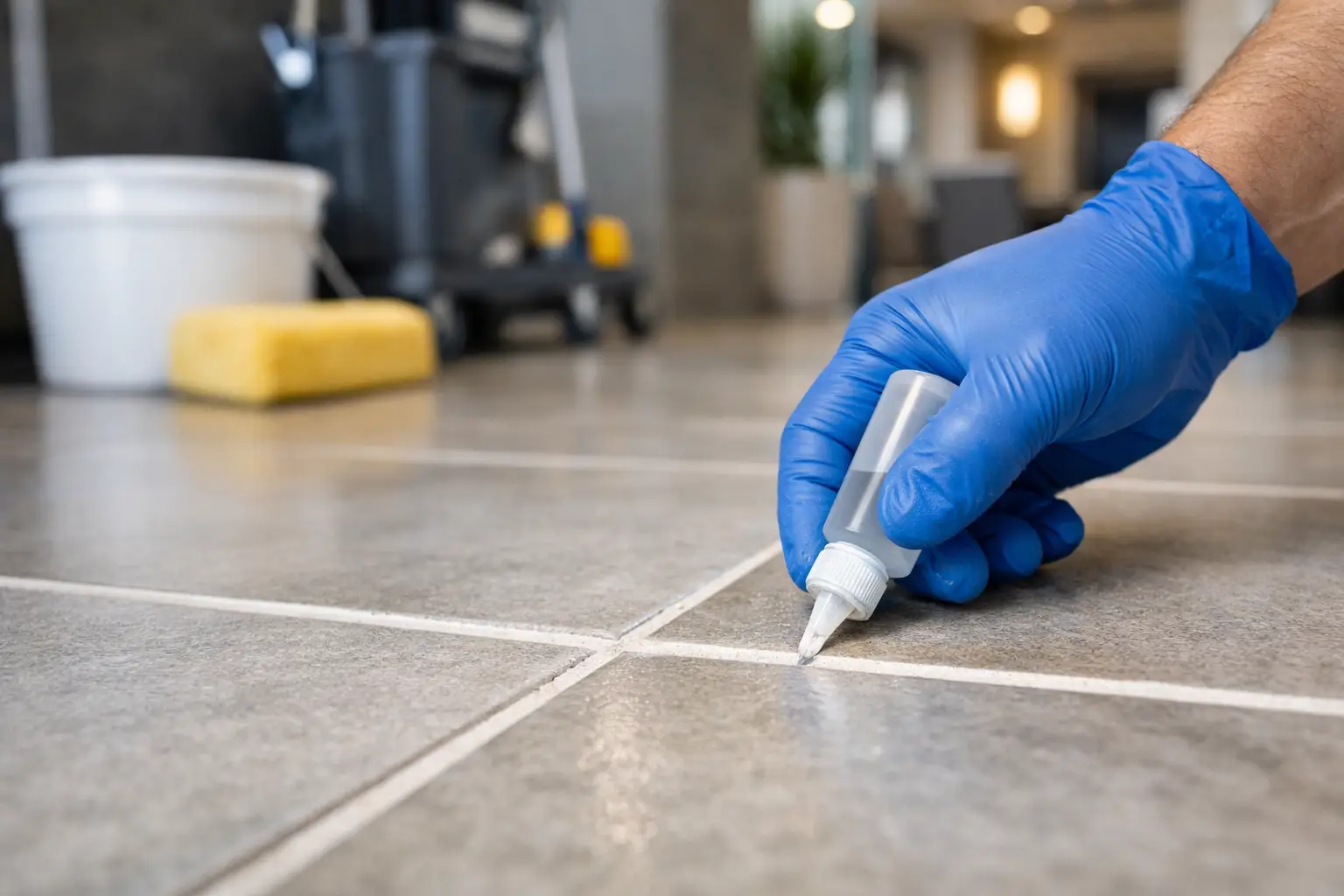
Professional tile and grout cleaning can remove buildup that regular household methods leave behind. After investing in that service, sealing is often a smart next step because it helps extend the cleaner look.
Think of it as protecting the finish after restoration. Without a sealer, clean grout may begin absorbing new soil immediately. With the appropriate sealant in place, the surface has a layer of defense against daily use.
At CJ Cleaning Services, LLC, specialty cleaning coordination is designed to help local homes, rentals, and businesses maintain the surfaces that work hard every day. The right service plan depends on the location of the tile, the grout condition, traffic level, and how the space is used.
When Grout Sealing Is Most Worthwhile
Most tile grout can benefit from sealing, but the need is not identical in every room. High-use, spill-prone, and moisture-prone spaces usually provide the strongest return on the service. Kitchen floors, bathroom floors, shower surrounds, entryways, laundry rooms, restaurant restrooms, and rental-unit bathrooms are common priorities.
Newly installed cement-based grout should usually be sealed once it has cured according to the installer or product guidance. Older grout can also be sealed after it has been professionally cleaned and allowed to dry fully. If grout is cracked, missing, loose, or crumbling, repair should come before sealing.
Not all grout requires the same treatment. Some epoxy grouts are far less porous and may not need a penetrating sealer. Certain tile and grout systems also have manufacturer-specific care instructions. A professional assessment helps avoid applying products that are unnecessary or unsuitable for the surface.
How Often Should Grout Be Resealed?
There is no single schedule that works for every property. A lightly used guest bathroom may hold up longer than a family shower used every day. A commercial restroom or rental kitchen may need attention more often because of heavier traffic and faster turnover.
As a general rule, resealing is worth considering when water no longer beads on the grout surface or when the grout starts absorbing spills quickly. Proper cleaning habits, ventilation, foot traffic, and the original sealer all affect how long protection lasts.
Avoid treating sealer as a one-time fix. Periodic inspection is more useful than relying on a calendar alone. If the grout begins to darken quickly after cleaning, it may be time to evaluate whether cleaning and resealing are needed.
Simple Care After Grout Sealing
A few consistent habits help preserve sealed grout. Wipe spills promptly, sweep or vacuum grit from tile floors, and use cleaners intended for tile and grout rather than highly acidic or abrasive products. In showers, a quick rinse or squeegee after use can reduce the soap and mineral residue that builds up over time.
For businesses and rental properties, clear cleaning routines matter. Routine maintenance keeps small messes from becoming deep-set stains and helps maintain a more polished appearance for customers, employees, tenants, or guests.
Sealed grout will still need cleaning, especially in high-traffic spaces. The goal is not perfection with no upkeep. The goal is a surface that stays cleaner longer, responds better to routine care, and requires less intensive restoration over its life.
If your tile is clean but the grout is starting to look worn, sealing may be the practical next step. A professional evaluation can help you choose the right approach for your home, rental, or business and keep those clean tile lines looking cared for between services.