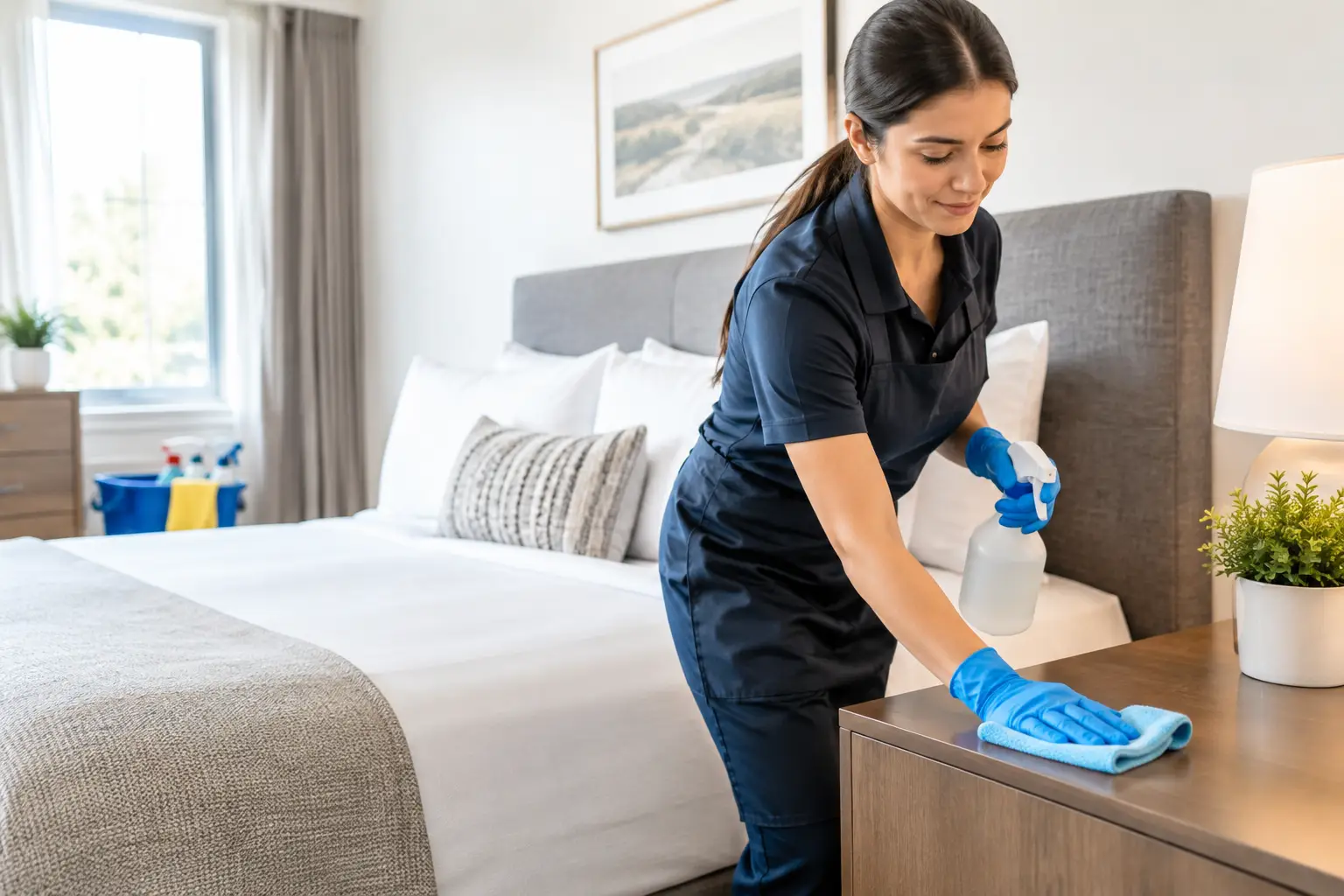


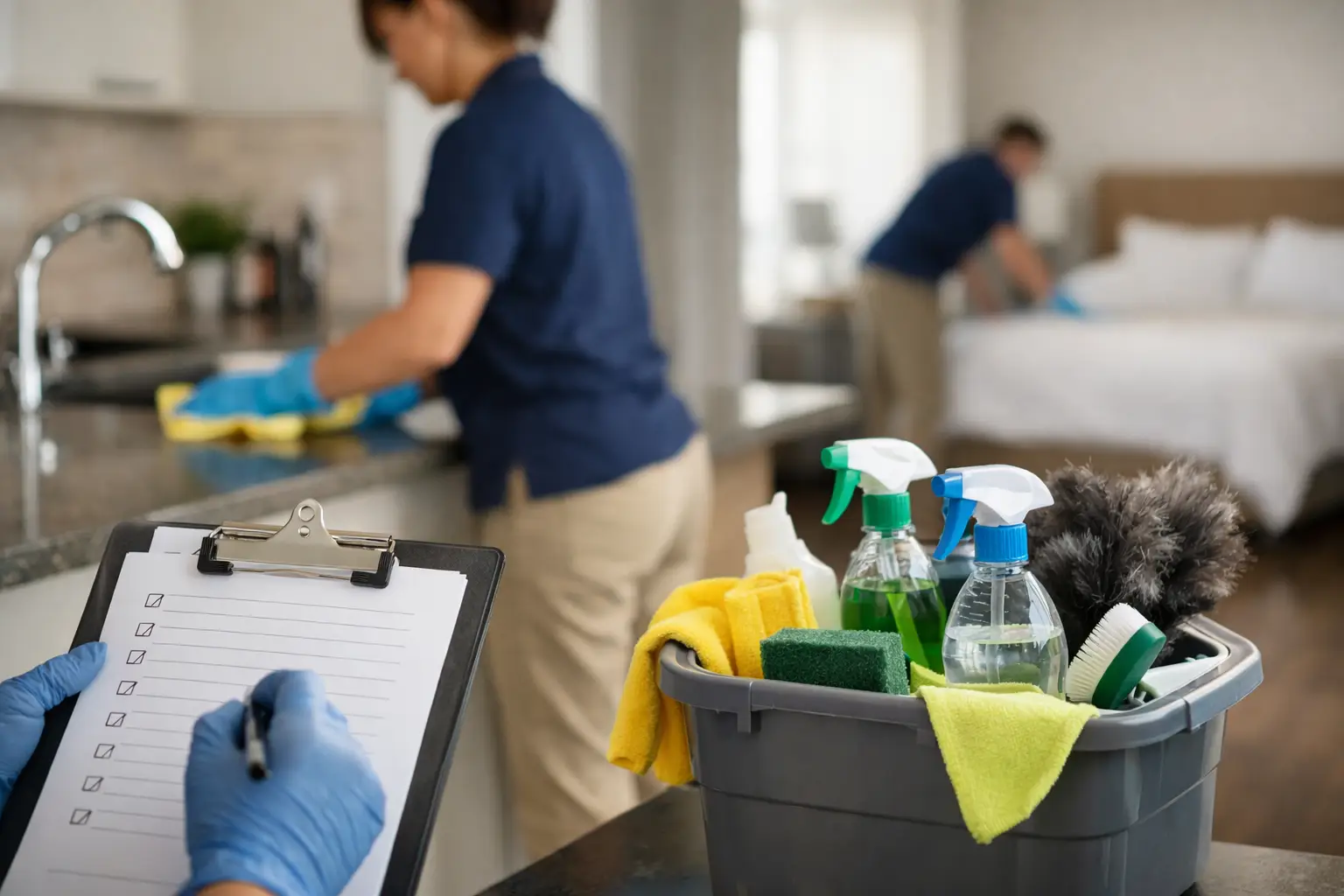
A vacant apartment can look clean at first glance and still fail a move-in inspection. Grease inside the oven, dust on ceiling fans, hair in a bathroom drawer, and buildup around faucets are the details that shape a new resident’s first impression. This apartment turnover cleaning example shows property managers, landlords, and renters what a thorough reset should look like between occupants.
Turnover cleaning is different from routine housekeeping. The goal is not simply to tidy the space. It is to return the apartment to a clean, ready-to-show condition while helping the next move-in stay on schedule. The right scope depends on the apartment’s condition, lease requirements, and whether maintenance or renovation work is happening at the same time.
What an Apartment Turnover Cleaning Example Includes
Consider a two-bedroom, two-bath apartment that has been vacant for three days. The previous resident removed all belongings, but left behind normal lived-in dirt: cooking residue in the kitchen, dust on blinds, soap film in both bathrooms, and scuff marks near the entry and hallway. Maintenance has already completed minor repairs, changed HVAC filters, and removed trash.
For this type of unit, a turnover cleaner would begin with a full walk-through. This step confirms the apartment is empty, identifies damage that cleaning cannot correct, and helps prevent time from being lost on unfinished maintenance work. For example, a broken blind, leaking faucet, stained carpet pad, or fresh drywall dust should be documented before the cleaning crew starts.
A practical scope of work may include the following:
- Remove loose trash and sweep out closets, cabinets, and storage areas.
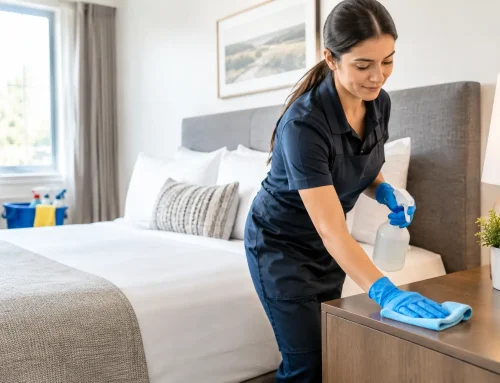
- Dust all reachable surfaces, including fans, vents, blinds, windowsills, doors, baseboards, and light fixtures.
- Clean and sanitize kitchen counters, sinks, appliance exteriors, cabinet fronts, and drawer interiors.
- Degrease the cooktop, clean the oven interior, and wipe the refrigerator, including shelves and drawers.
- Scrub and sanitize toilets, tubs, showers, sinks, mirrors, and bathroom fixtures.
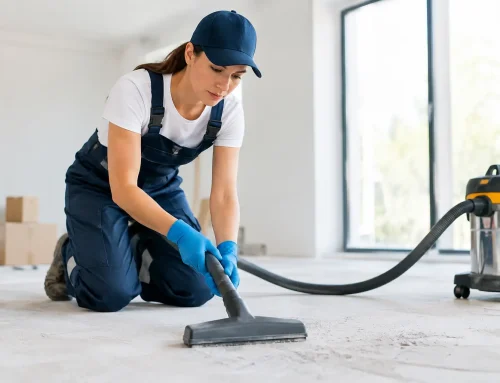
- Vacuum carpets and clean hard-surface floors throughout the apartment.
- Spot-clean marks on walls, doors, switches, and trim where appropriate.
- Complete a final quality check before the unit is released for showing or move-in.
The exact service may change when the unit has heavy buildup, pet hair, smoke odor, construction dust, or carpet stains. Those conditions often require additional time and specialty services rather than being treated as part of a standard turnover clean.
Room-by-Room Turnover Cleaning Scope
Kitchen
The kitchen is usually the most time-sensitive room in an apartment turnover. A clean countertop is not enough if the range hood is greasy, crumbs remain in drawers, or the refrigerator has spills behind the shelves.
In this example, the cleaner removes all remaining debris from cabinets and drawers, wipes interiors and fronts, sanitizes counters and the sink, and polishes faucet fixtures. The stove receives special attention: burner grates, drip pans, control knobs, cooktop edges, and the oven door are cleaned. The refrigerator is emptied, wiped inside and out, and checked for spills under drawers. The dishwasher exterior, filter area when accessible, and microwave interior should also be addressed.
If appliances have burned-on grease or a refrigerator has a strong odor, the property manager may need to approve an add-on service. A cleaner can improve many conditions, but old appliance damage or persistent odor may require repair, replacement, or odor treatment.
Bathrooms
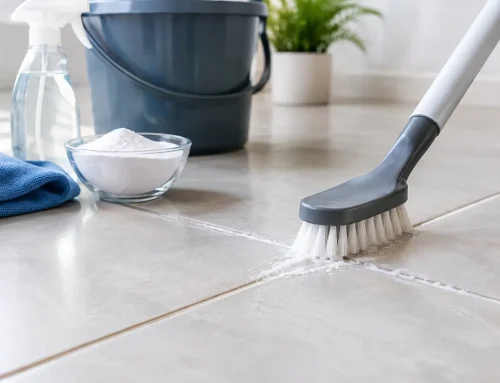
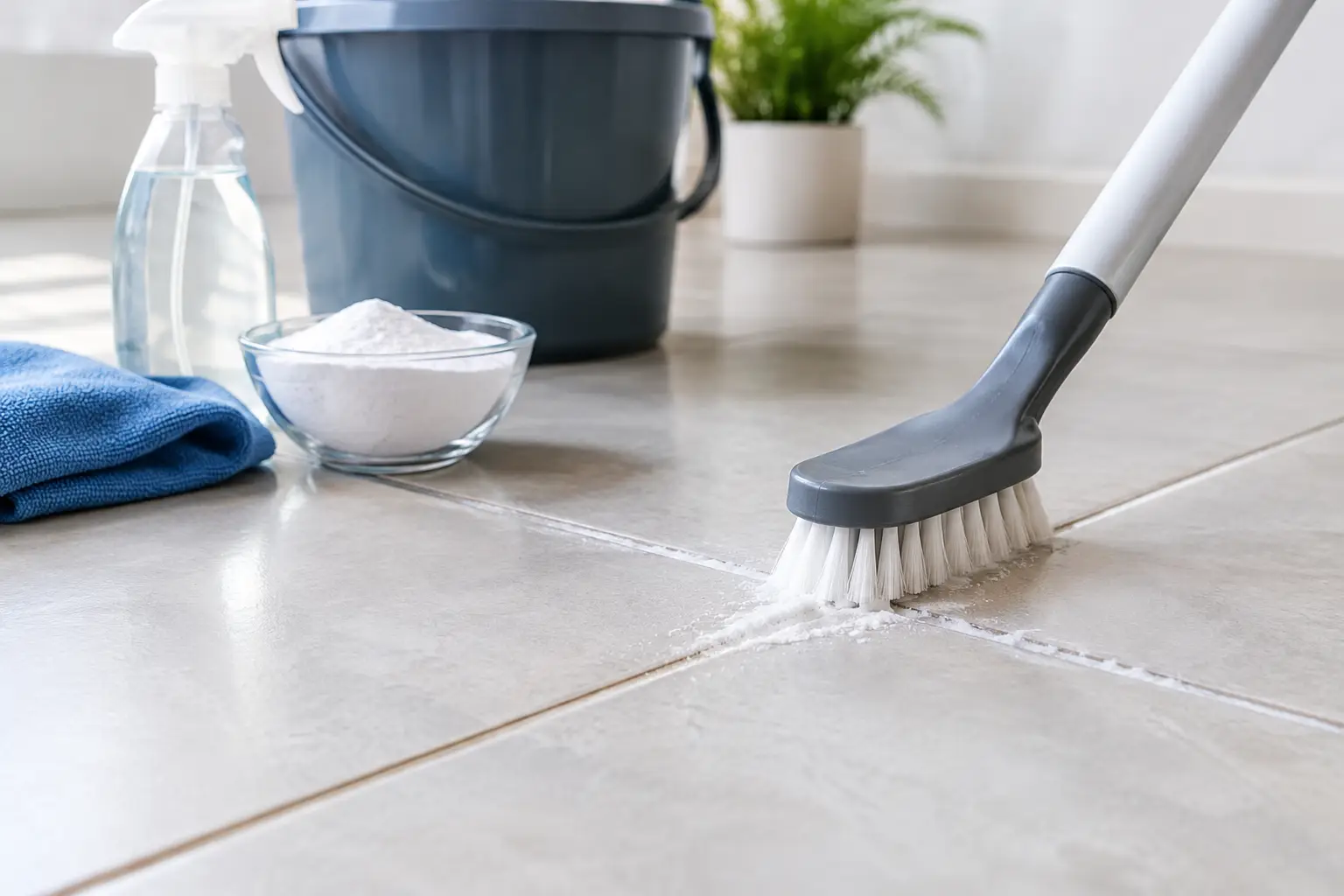
Bathrooms need to feel sanitary, not merely dry. The cleaner scrubs the tub or shower, removes visible soap film and mineral buildup where possible, cleans grout lines, disinfects the toilet, and wipes down the vanity, mirror, faucet, and cabinet interiors.
The small details matter here. Hair should be removed from drawers and corners. Toilet bases, door handles, light switches, exhaust vent covers, and the area behind the faucet should be checked carefully. If mold is present, it should be reported rather than covered up. Surface-level mildew may be cleanable, but recurring mold, damaged caulk, or water-related issues need maintenance attention.
Bedrooms, Living Areas, and Closets
Vacant rooms collect dust quickly, especially after repairs or painting. In this apartment turnover cleaning example, the bedrooms and living room are dusted from top to bottom. Ceiling fan blades, vents, blinds, windowsills, baseboards, door frames, and closet shelves are cleaned before the floors are vacuumed.
Wall marks are assessed individually. Light scuffs can often be spot-cleaned, but aggressive scrubbing may remove paint or create a noticeable dull patch. That is why a professional turnover process separates cleanable marks from repainting needs.
Closets should be empty, odor-free, and free of debris. A quick inspection of shelves, rods, corners, and closet floors helps avoid an awkward surprise when the new resident begins unpacking.
Floors and Entry Areas
Floors are completed last so they are not tracked over during the rest of the job. Carpets are thoroughly vacuumed, including edges and closets. Hard floors are swept and mopped with the appropriate product for the surface.
A basic turnover clean may not remove deep carpet stains, embedded pet hair, or lingering odors. When the apartment needs more than vacuuming, carpet cleaning can make a significant difference in presentation and resident confidence. Tile and grout, vinyl, laminate, and other hard surfaces may also need specialty care if they have heavy buildup or dullness.
The entry area deserves a final look because it creates the first impression. Clean the front door, threshold, switch plates, nearby baseboards, and visible marks around the handle. These are small tasks, but they signal that the apartment has been prepared with care.
A Simple Inspection Standard Before Move-In
A good turnover is confirmed with a final walk-through, not assumed when the cleaning is finished. The person inspecting the unit should open cabinets and drawers, look behind doors, turn on bathroom lights, check the refrigerator, and view floors from more than one angle.
The unit should smell neutral and clean. Strong air fresheners can hide an odor temporarily, but they do not solve the cause. If smoke, pet, mildew, or food odors remain after cleaning, the issue should be addressed before the resident receives keys.
It also helps to separate cleaning findings from maintenance findings. A cleaner may identify a damaged blind, a loose toilet seat, a failing light bulb, or a chipped countertop during service. Clear notes and photos help the property manager coordinate the next step without delaying the turnover.
Scheduling Turnover Cleaning Without Delays
The best time to schedule cleaning is after the previous resident has fully moved out and after major repairs are complete. Cleaning too early can mean paying for the same surfaces to be cleaned again after painters, contractors, or maintenance technicians finish their work.
For a smooth timeline, confirm the unit is vacant, utilities are active, water is available, and maintenance has removed large debris before the appointment. Let the cleaning team know about pets, smoking, heavy buildup, renovation dust, or special lease requirements in advance. Accurate details support an accurate quote and enough time for the job to be done properly.
Property managers with multiple units may benefit from a consistent turnover checklist and a dependable cleaning partner who can coordinate around maintenance and showing dates. Flexible scheduling matters, but clear communication matters just as much when every day of vacancy affects the bottom line.
CJ Cleaning Services helps connect Catawba County area property managers, renters, and owners with vetted independent cleaning professionals for move-out, move-in, and turnover needs. A customized scope allows the service to match the unit’s real condition instead of relying on a one-size-fits-all checklist.
A clean turnover does more than prepare an apartment for photos or a walk-through. It gives the next resident a better start, protects the property’s presentation, and makes a busy transition feel organized from the moment the door opens.