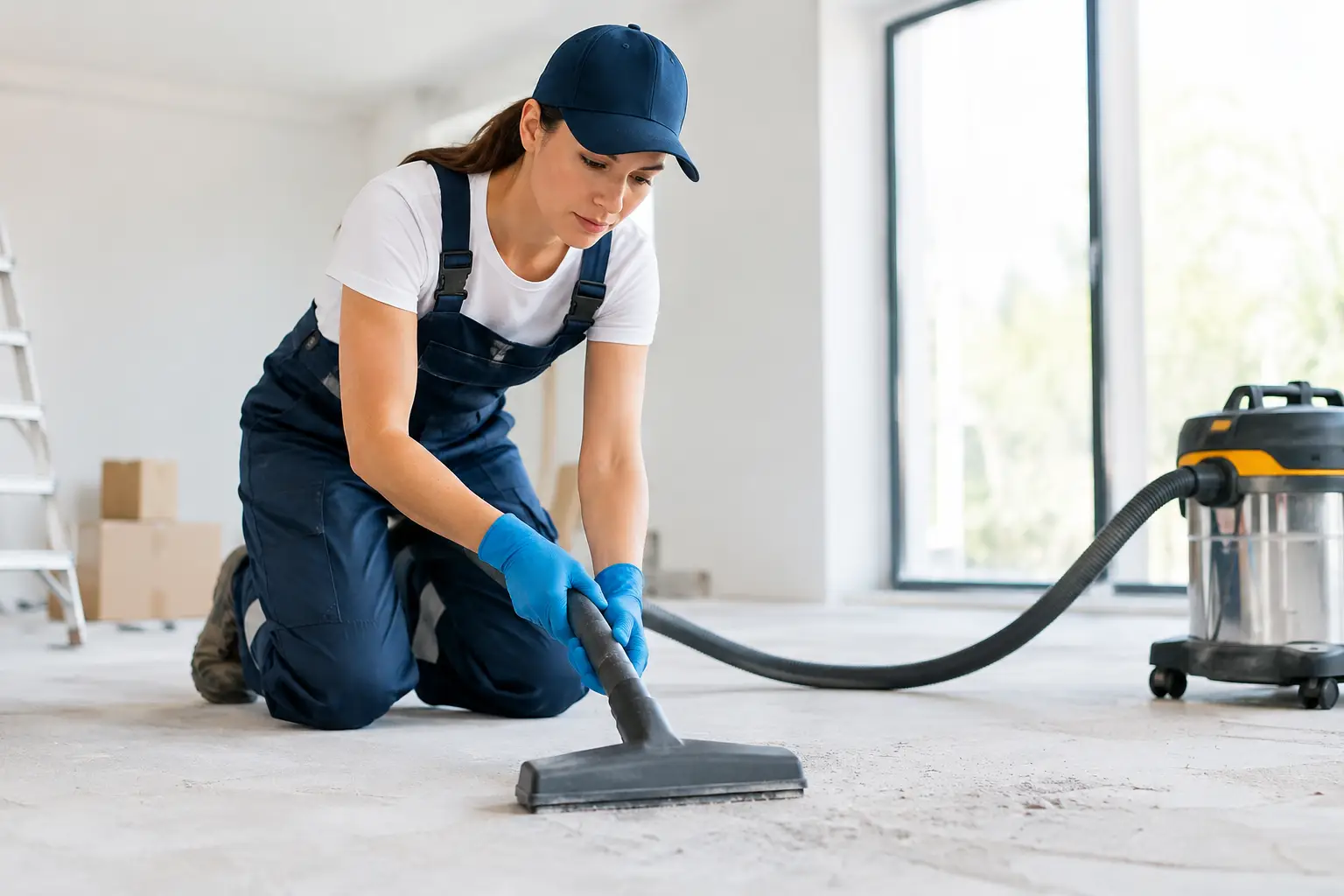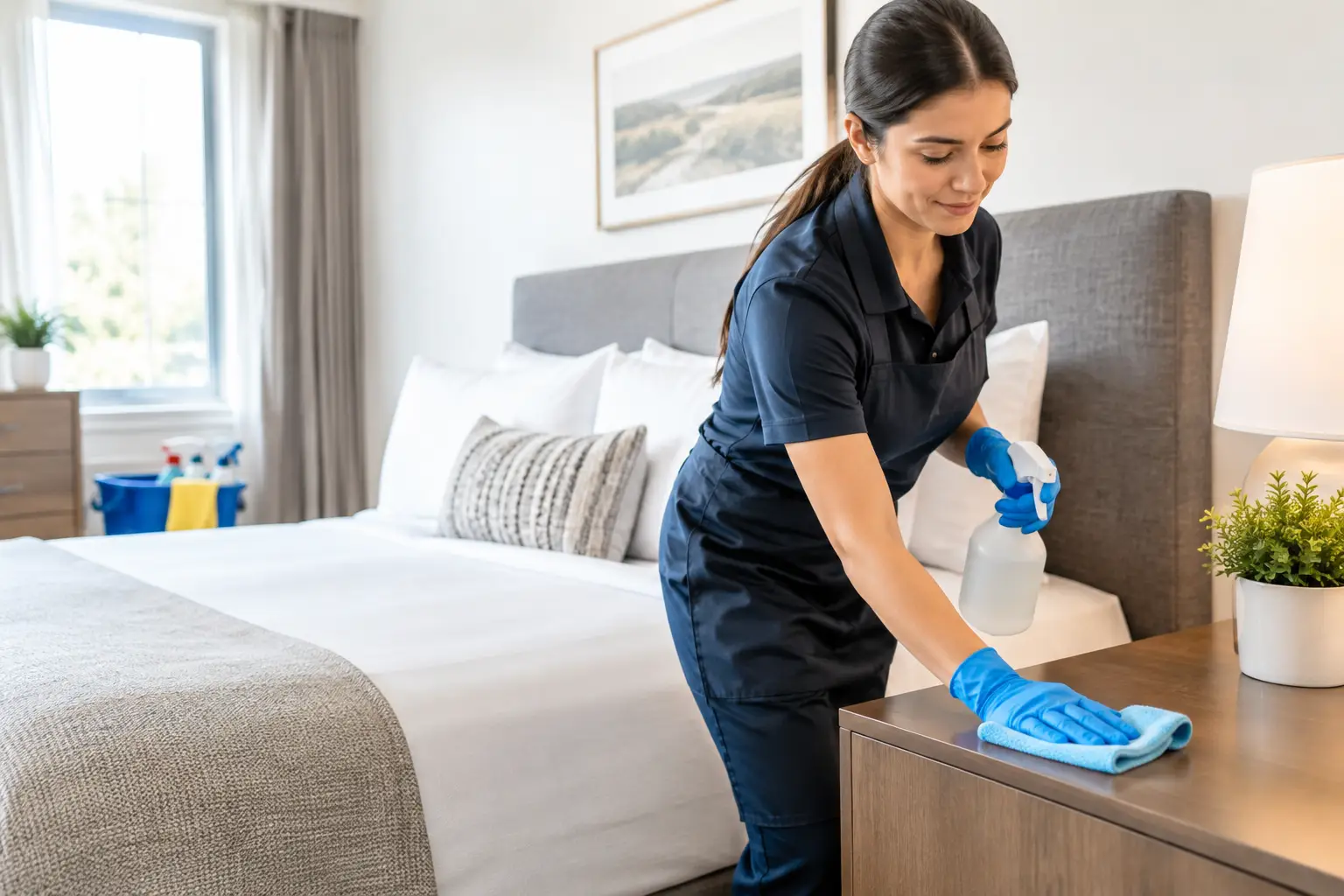



Fresh paint, new flooring, updated fixtures – the project may be finished, but the mess usually is not. Post construction dust removal is the part many property owners underestimate until they see a fine layer of dust on baseboards, vents, windowsills, and even inside cabinets. What looks like a quick cleanup can turn into hours of detailed work, especially when fine particles keep settling after the contractors leave.
For homeowners, renters, property managers, and business owners, this stage matters more than appearance alone. Construction dust can affect indoor air quality, cling to surfaces you do not expect, and make a newly improved space feel unfinished. A proper cleaning helps you enjoy the results of the project instead of dealing with the aftermath.
Why post construction dust removal takes more than a basic cleaning
Construction dust behaves differently from everyday household dust. It is finer, lighter, and more likely to spread through the property. Drywall dust, sawdust, insulation particles, and debris from sanding or cutting do not stay in one room. They travel through vents, settle on ceiling fans, stick to trim, and collect in corners that look clean at first glance.
That is why a standard tidy-up rarely solves the problem. Wiping a few visible surfaces may remove the top layer, but dust often resettles once the air moves through the space again. If the cleaning is rushed or done in the wrong order, the same areas can look dusty again within a day.
There is also a difference between a renovation site being “done” and a property being move-in ready. A contractor may remove larger debris, leftover materials, and tools, but detailed cleaning is a separate task. That final step is what makes the space comfortable, presentable, and ready for daily use.
What a thorough post construction dust removal service should cover
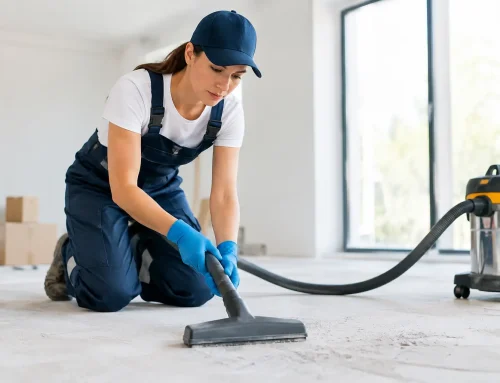
The goal is not just to make the room look better from the doorway. It is to remove the fine dust that settles across the entire space. In most cases, that means starting high and working down so particles are not pushed onto already cleaned areas.
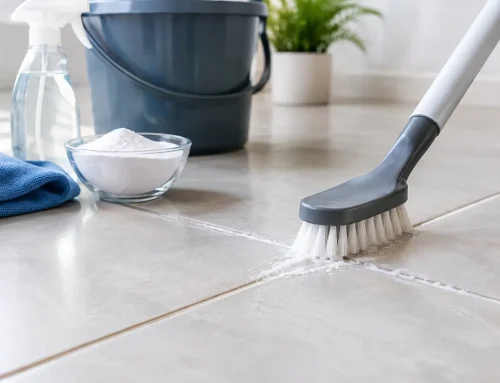
Ceiling fans, light fixtures, vents, trim, doors, window frames, blinds, baseboards, and shelving all need attention. Floors usually require more than one pass, especially if dust has collected in grout lines, corners, or along wall edges. Hard surfaces may need careful wiping with the right products so they are cleaned without damage.
Kitchens and bathrooms often need extra detail after remodeling. Dust can settle inside drawers, cabinets, vanities, and around plumbing fixtures. In office settings or commercial spaces, desks, counters, waiting areas, and customer-facing surfaces should be cleaned thoroughly so the property looks professional and feels ready to reopen.
Glass is another common issue. After construction, windows and mirrors often show smudges, film, or dust buildup that becomes obvious in natural light. The same goes for floors. New flooring should look finished, not hazy.
The hidden trouble spots people miss
The obvious surfaces are only part of the job. Fine dust tends to settle in places people do not think to check until it starts circulating again. Air vents and returns are a common example. If dust is left around those areas, it can continue moving through the property long after the remodel is complete.
Closets, laundry rooms, tops of door frames, appliance exteriors, and the area behind toilets or under sinks are easy to overlook. So are ledges, recessed lighting trim, and the tops of cabinets. In commercial spaces, dust may collect on partitions, display shelving, and electronics.
This is where experience matters. A cleaner who understands post-renovation work knows where dust travels and which surfaces need extra care. That saves time and helps avoid the cycle of cleaning the same room over and over.
Why DIY post construction dust removal can be frustrating
Many property owners start with good intentions. They grab paper towels, a household vacuum, and a spray bottle, expecting to knock it out in an afternoon. Then the dust keeps coming back, or worse, it gets spread around instead of removed.
The challenge is not effort alone. It is process. If floors are vacuumed before upper surfaces are addressed, dust falls right back down. If the wrong cloth or mop is used, fine particles can smear or become airborne again. Some surfaces, especially new finishes, also require more caution than people expect.
There is also the time factor. After a renovation, most people are ready to move furniture back, reopen a business area, prepare a rental, or simply get life back to normal. Spending an entire weekend chasing drywall dust is not the best use of time for many busy households or property managers.
When professional help makes the most sense
Professional cleaning is especially helpful when the project covered more than one room, involved sanding or demolition, or needs to be turned around quickly. If you are preparing a home for move-in, getting a rental ready for guests, or reopening a business space, detailed cleaning helps protect that first impression.
It also makes sense when you want a cleaner result without the stress of coordinating the work yourself. A dependable service can handle the detailed cleanup while you focus on the next step, whether that is unpacking, staging, scheduling tenants, or getting back to business.
For local clients in Catawba County and nearby communities, working with a company like CJ Cleaning Services, LLC can simplify the process. The value is not only in getting the property cleaned, but in having access to vetted professionals, flexible scheduling, and a smoother customer experience from quote to completion.
Post construction dust removal for homes, rentals, and businesses
Different properties need different approaches. In a home, the focus may be on comfort, air quality, and protecting newly finished areas. Families want the space to feel livable again, not like a work zone with dust hiding in every corner.
For rental properties, speed and presentation often matter most. Property managers and landlords need units that are ready for showings, inspections, or incoming tenants. A rushed cleanup can leave behind details that hurt the overall impression.
Commercial properties have another layer of concern. Dust on entry areas, counters, offices, or restrooms can reflect poorly on the business before customers even interact with staff. For retail spaces, offices, and customer-facing environments, a proper cleanup supports a more professional reopening.
Short-term rental hosts face a similar challenge. Guests notice details fast, especially on floors, bathroom fixtures, and visible surfaces. After updates or repairs, the property should feel fresh and fully ready, not recently worked on.
What to expect from a well-planned cleaning visit
A strong post-renovation cleaning starts with understanding the scope of the project. A bathroom refresh is different from a full kitchen remodel, and a small office update is different from a large commercial build-out. The amount of dust, the types of surfaces involved, and the timeline all shape the cleaning plan.
In general, the best results come from a methodical top-to-bottom approach. High dusting is handled first, then detailed wiping of surfaces, then floor care. In heavier situations, more than one round may be needed to fully remove lingering dust. That is not overkill – it is often what the job requires.
Good communication also matters. Property owners should be clear about whether the space is vacant or occupied, whether utilities are on, and whether contractors are truly finished. Cleaning too early can create repeat work and extra cost.
Choosing the right service for post construction dust removal
Not every cleaning visit is designed for post-renovation work. When comparing options, it helps to look for a provider that understands detail cleaning, communicates clearly, and can match the service to the size and condition of the property.
Trust matters here. You may be handing over a newly improved home, a rental between occupants, or a business preparing to reopen. A service that emphasizes vetted professionals, dependable scheduling, and responsive support can make the process much easier.
It is also worth asking about customization. Some spaces need full-property cleaning, while others need focused work in the renovated areas plus dust control throughout adjacent rooms. The right plan should fit the project instead of forcing you into a one-size-fits-all appointment.
A finished renovation should feel exciting, not exhausting. When the dust is properly removed, the updates you paid for finally look the way they should. Clean air, clear surfaces, and a space that feels ready to use are what turn the end of construction into the beginning of enjoying your property again.