


Moving day has a way of making every small task feel bigger. Boxes pile up, deadlines get tight, and the condition of the property suddenly matters a lot. If you are wondering how move out cleaning works, the short answer is simple: the home gets cleaned top to bottom after your belongings are out, with extra attention on the areas landlords, buyers, and property managers notice first.
For renters, that can affect deposit return. For homeowners, it can help a property show better and make handoff easier. For property managers and rental hosts, it keeps turnover on schedule. The process is straightforward, but the details matter.
How move out cleaning works from start to finish
Move-out cleaning is different from regular weekly or biweekly service. A maintenance clean helps keep a lived-in home under control. A move-out clean is meant to reset the space for the next person. That usually means more detail work, more time, and a stronger focus on buildup, edges, fixtures, and overlooked areas.
Most jobs begin with a quote based on the size of the property, its condition, and any add-on needs. A small apartment that has been well maintained will not need the same labor as a large home with pet hair, stained appliances, or months of neglected grime. That is why pricing is often customized instead of flat.
Once the service is scheduled, the ideal timing is after the home is mostly or completely empty. Cleaners can work faster and more thoroughly when furniture, rugs, and packed boxes are out of the way. They can also reach corners, baseboards, closets, and floors without interruption.
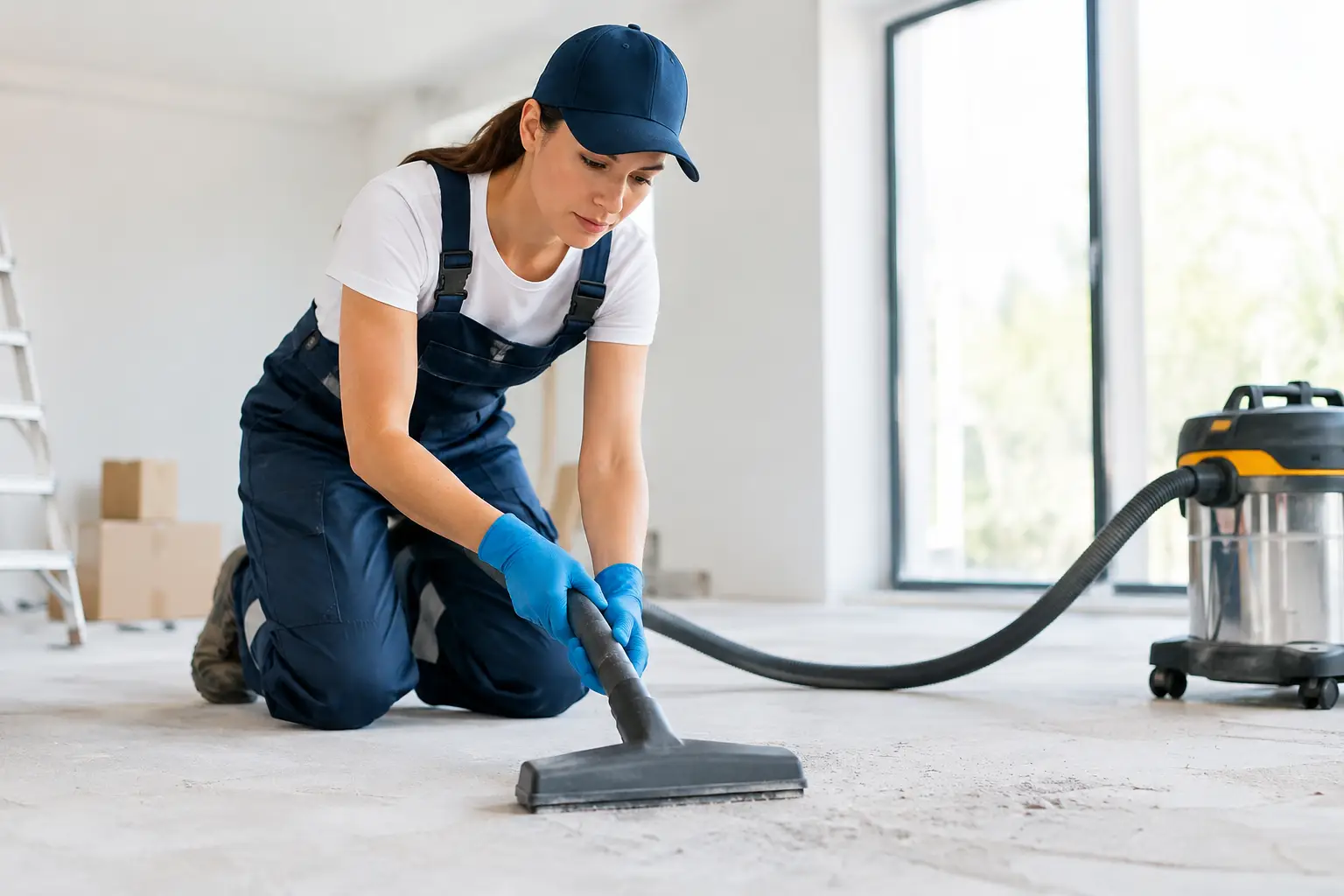
On the day of service, the cleaner or cleaning team typically follows a top-to-bottom approach. Dust and debris are removed first, then surfaces are wiped and sanitized, then kitchens and bathrooms get deeper attention, and floors are finished last. That order matters because it keeps dirt from falling onto areas that have already been cleaned.
What is usually included in move-out cleaning
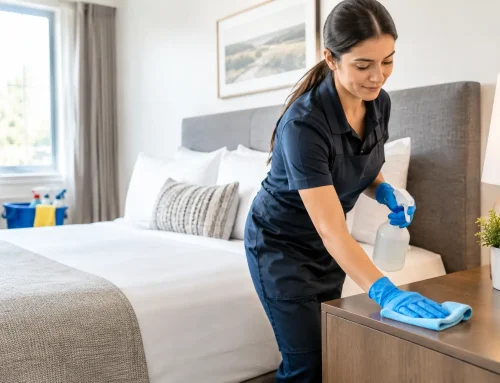
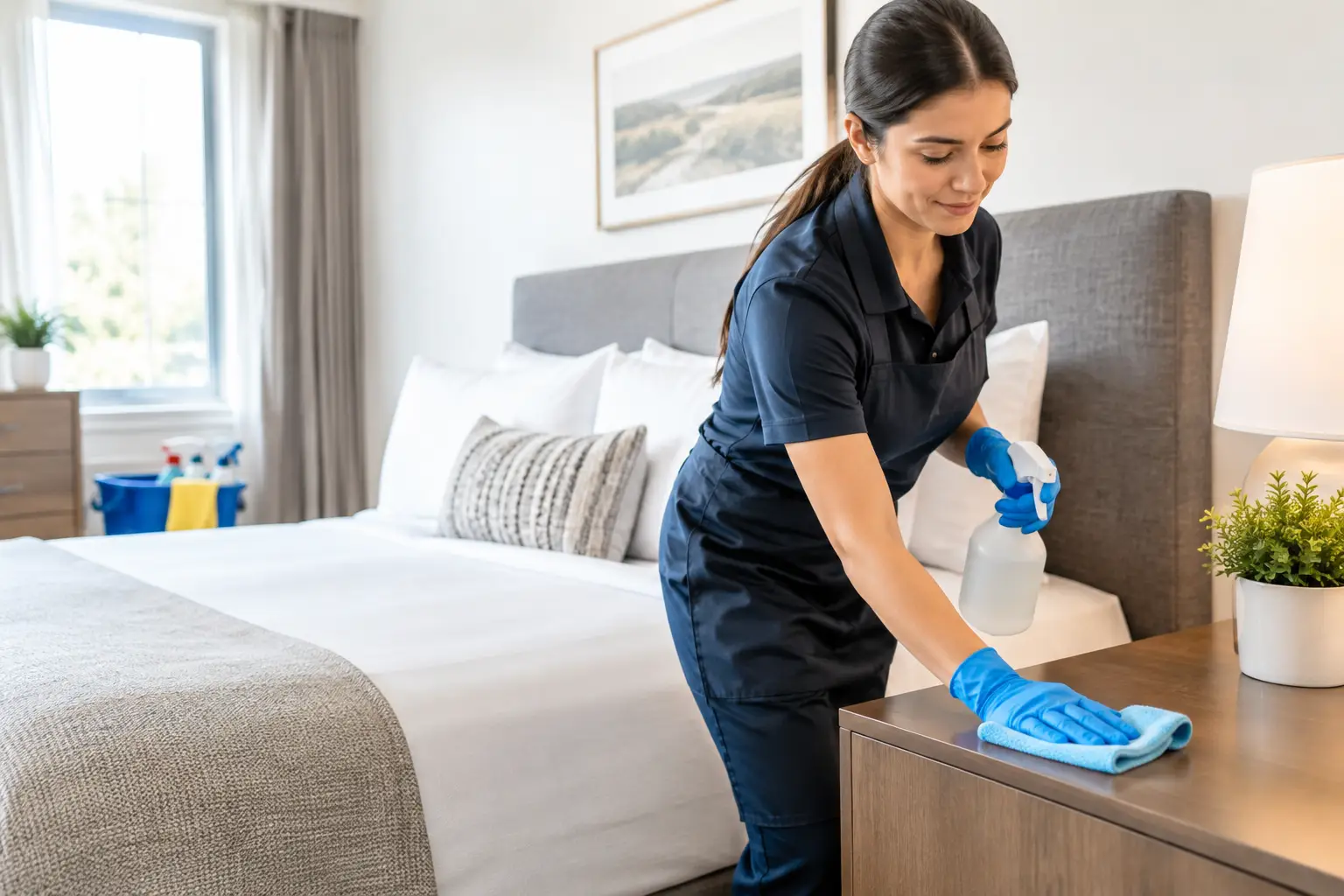
The exact scope can vary, but most move-out cleaning services cover the main living areas, bedrooms, bathrooms, and kitchen in detail. That usually includes dusting ceiling fans, vents within reach, blinds, window sills, baseboards, doors, trim, shelving, and closet interiors. Light switches, handles, and other high-touch points are also commonly wiped down.
Bathrooms usually get the most scrutiny during a final walkthrough, so they are cleaned carefully. Tubs, showers, sinks, vanities, mirrors, toilets, and exterior cabinetry are typically scrubbed and disinfected. Soap scum, hard water marks, and residue around fixtures may need extra effort depending on how long they have been sitting.
Kitchens are another major focus. Counters, backsplashes, cabinet fronts, sinks, and fixtures are cleaned, but move-out service often goes further. Appliance exteriors are usually included, and many clients also request appliance interiors, especially for ovens, refrigerators, and microwaves. If a lease requires the refrigerator to be empty and clean inside, that should be discussed before the appointment so enough time is allowed.
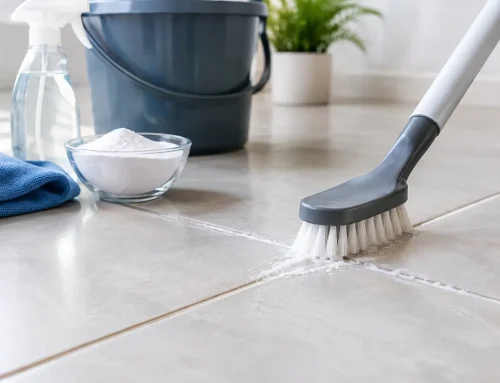
Floor care depends on the material and the condition. Hard floors are generally swept and mopped, while carpet may be vacuumed or referred for deeper carpet cleaning if stains, odor, or heavy traffic are involved. That is one of those situations where it depends. A standard move-out clean can improve the overall appearance, but it may not replace specialty floor treatment when the surfaces need more than basic cleaning.
Why empty homes are easier to clean well
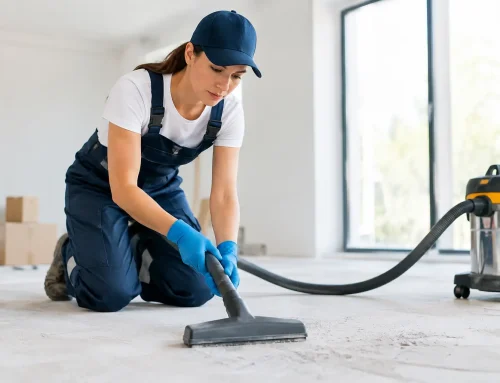
A move-out clean works best when the property is vacant. That is not just for convenience. It directly affects quality. Without furniture in the way, cleaners can reach behind doors, clean full closet floors, wipe shelving completely, and inspect corners for dust, debris, or leftover items.
It also reduces delays. If movers are still carrying items through the home or if family members are still sorting boxes, the work gets interrupted and some spaces may need to be revisited. If your schedule is tight, it is usually smarter to book cleaning after the move is complete rather than trying to overlap everything in one day.
For landlords and property managers, a vacant-unit clean also makes it easier to spot maintenance issues. Once surfaces are clear and the home is cleaned, things like wall marks, damaged trim, leaks under sinks, or worn flooring become more obvious.
What move-out cleaning does and does not solve
A professional clean can make a major difference in presentation, but it is not the same as repair work. Cleaning removes dirt, grease, dust, soap residue, and general buildup. It does not usually fix nail holes, repaint scuffed walls, replace broken blinds, or remove damage that has set into a surface.
That distinction matters for renters trying to protect their deposit. A thorough cleaning helps, but if there is pet damage, strong odor, mold, or heavy staining, additional services may be needed. The best approach is to ask for a clear scope before the appointment so there are no surprises about what is included and what falls outside standard cleaning.
The same goes for commercial spaces and short-term rentals between occupants. Cleaning handles cleanliness. Turn-ready condition may still require maintenance, touch-up work, or floor restoration depending on the property.
When to book and how timing affects results
The best time to schedule move-out cleaning is once you know your move date and before your final handoff deadline gets too close. Last-minute bookings can be possible, but availability may be tighter during weekends, month-end turnovers, and peak moving seasons.
If you are coordinating utilities, key return, walkthroughs, or a sale closing, leave some breathing room. A day or two between moving out and turning over the property can help a lot. That gives time for cleaning to be completed properly and for any touch-up needs to be handled if they come up.
For property managers and business owners, predictable turnover scheduling matters even more. Delayed cleaning can push back showings, inspections, or reopening dates. Working with a dependable service partner helps keep the process organized from quote to completion.
How to prepare before cleaners arrive
Preparation does not need to be complicated, but it does make the service more effective. The property should be emptied of personal belongings, trash removed, and utilities still on if possible. Cleaners need running water, working lights, and access to the full space.
If there are specific problem areas, mention them in advance. Maybe the oven needs extra attention, there is adhesive residue in a cabinet, or a bathroom has hard water buildup that has been there for years. Sharing that information early helps the cleaning team plan time correctly and recommend any specialty service if needed.
It also helps to confirm access details clearly. If the property is vacant, someone still needs to arrange entry, alarm instructions, gate codes, or lockbox information. Good cleaning is not just about what happens inside the home. It starts with smooth coordination.
Why many people choose professional help
Plenty of people consider doing move-out cleaning themselves, and sometimes that makes sense. If the home is small, already in good condition, and your schedule is flexible, DIY may be enough. But many moves do not happen under ideal conditions.
Most people are juggling packing, change-of-address tasks, work, family obligations, and a deadline they cannot miss. By the time the property is empty, the last thing they want is to spend hours scrubbing appliances and baseboards. Professional help saves time, reduces stress, and often delivers a more consistent result because the work is structured and detailed.
That is especially true for local clients who want one organized point of contact instead of chasing down availability on their own. A service-centered company like CJ Cleaning Services, LLC helps simplify the process by coordinating vetted cleaning professionals, flexible scheduling, and clear communication around the job.
How move out cleaning works for different types of clients
Renters usually care most about lease requirements and deposit protection. Home sellers often care about presentation and leaving the property in strong condition for buyers. Property managers focus on quick turnover, consistency, and avoiding complaints from incoming tenants. Short-term rental hosts may need the same detailed reset, but on a faster schedule between bookings.
The core process is similar in each case, but priorities can shift. That is why customized service matters. A one-size-fits-all cleaning plan does not always fit the property, the timeline, or the reason for the clean.
If you are planning a move, the smartest approach is to treat cleaning as part of the move itself, not an afterthought. Book early, clear the space, communicate your priorities, and give the job enough time to be done right. A clean handoff makes the next step easier for everyone involved, and that is one less thing to carry with you.