

If you are comparing quotes for office cleaning, the first thing to know is that commercial office cleaning price is rarely a one-size-fits-all number. A small professional office with light weekday traffic will be priced very differently than a busy medical-adjacent office, a multi-tenant suite, or a customer-facing business that needs frequent attention. The right quote should reflect your space, your schedule, and the level of detail your business expects.
For local businesses, the goal is not just finding the cheapest option. It is finding dependable service that protects your workplace appearance, supports staff and visitors, and fits your operating budget without constant surprises. That is where understanding pricing helps.
What drives commercial office cleaning price
The biggest factor is usually square footage, but that is only the starting point. A 2,000-square-foot office with mostly private offices and low foot traffic may take less time to maintain than a smaller space with glass entry doors, shared restrooms, breakrooms, and constant customer activity.
Layout matters because cleaning time follows the details. Open floor plans can be faster to service in some cases, while offices with many partitions, desks, and touchpoints take more labor. Restrooms and kitchens also increase time because they require sanitation, supply checks, and closer attention than general dusting or vacuuming.
Frequency has a major effect on price as well. Nightly service will usually lower the per-visit rate compared with occasional cleanings, but the monthly total will be higher because the crew is coming more often. Weekly cleaning may work well for quieter offices, while busier workplaces often need service several times a week to stay presentable.
Timing can also change the quote. After-hours cleaning is common for offices, but some schedules are easier to staff than others. If a business needs service at very specific times, weekend coverage, or short turnaround windows, pricing may reflect that.
Typical pricing models for office cleaning
Most businesses will see one of three pricing approaches. Some companies charge by square foot, some charge by the hour, and some provide a flat recurring rate based on the full scope of work.
Per-square-foot pricing is common when the scope is fairly standard. It gives business owners a quick way to estimate costs, but it does not always capture details like heavy restroom use, specialty flooring, or extra touchpoint disinfection. That is why two offices with similar size can still receive different quotes.
Hourly pricing tends to appear with one-time cleanings, irregular service, or projects where the condition of the space is uncertain. It can be flexible, but some businesses prefer flat pricing because it makes budgeting simpler.
Flat-rate pricing is often the easiest model for recurring service. It builds in the agreed tasks, visit frequency, and site conditions, so you know what to expect each billing cycle. For many offices, this creates fewer billing questions over time.
Commercial office cleaning price by service level
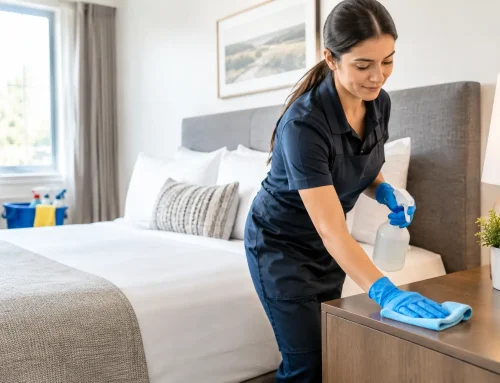
Basic office cleaning usually includes trash removal, vacuuming, mopping hard floors, dusting reachable surfaces, restroom cleaning, and breakroom wipe-downs. This is the foundation of most recurring janitorial programs, and it tends to be the most budget-friendly level of service.
A mid-level scope may include more detailed dusting, spot-cleaning glass, disinfecting high-touch areas, interior partition glass care, and closer attention to shared workstations and common areas. This is often the right fit for professional offices that want a polished appearance without moving into full deep-clean territory on every visit.
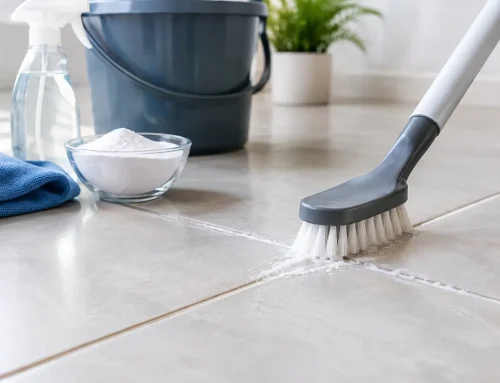
Higher-end or specialty office cleaning may include carpet cleaning, tile and grout work, floor stripping and waxing, upholstery cleaning, post-construction cleanup, or intensive deep cleaning. These services are usually priced separately or added on at scheduled intervals. They can raise short-term costs, but they also help protect flooring, extend the life of furnishings, and reduce wear that becomes more expensive later.
Why frequency changes the total cost
A common mistake is assuming less frequent cleaning always saves money. It can, but not in every situation. If a space goes too long between visits, each cleaning takes more effort. Soil builds up, trash accumulates, restroom conditions decline faster, and floors may require heavier work to recover.
That is why many offices find a middle ground. Instead of paying for a major reset every time, they choose a recurring schedule that keeps conditions stable. In practice, that can mean better long-term value and a more consistent appearance for staff and clients.
There is also a practical side to frequency. A law office, real estate office, administrative suite, or small professional office may be perfectly fine with once- or twice-weekly service. A busier office with public traffic, shared restrooms, and employee breakrooms may need three to five visits per week. The right schedule depends on how your space is actually used.
Hidden cost factors business owners should ask about
Not every quote includes the same assumptions. Before comparing prices, ask what is actually included.
Supplies are a big one. Some cleaning programs include standard consumables or paper product restocking, while others cover labor only. Window cleaning is another item that can cause confusion. Interior glass spot-cleaning may be included, but full window service often is not.
Floor care is another area where pricing can vary. Routine vacuuming and mopping may be part of regular service, but carpet extraction, machine scrubbing, buffing, and strip-and-wax work are usually separate. If your office has specialty flooring, that should be discussed upfront.
Initial condition also matters. If an office has not been professionally cleaned for a while, the first visit may require a deeper reset before recurring maintenance begins. That first service may cost more than the ongoing rate, and that is normal.
How to compare office cleaning quotes fairly
The lowest quote is not always the lowest real cost. If one provider includes restrooms, breakrooms, touchpoint disinfecting, and trash liner replacement while another only covers basic surface cleaning, those numbers are not equal.
Ask for a clear scope of work. You should know how often the service happens, what tasks are included each visit, what tasks rotate on a less frequent basis, and what services are billed separately. This makes it much easier to compare value instead of just price.
It also helps to ask how scheduling, service changes, and communication are handled. A dependable cleaning experience is not just about the crew showing up. It is also about responsive support, simple billing, and the ability to adjust service as your business changes.
For many local businesses, that reliability is worth paying for. A missed visit or poorly managed service issue can create more disruption than the difference between two quotes.
Getting the right commercial office cleaning price for your business
The best pricing starts with a real assessment of your office. That means looking at square footage, traffic patterns, restrooms, flooring, shared spaces, and your expectations for appearance. It also means being honest about what you need now versus what can be scheduled occasionally.
If your office only needs basic upkeep, a simple recurring plan may be enough. If presentation is central to your customer experience, or your team uses the space heavily every day, it usually makes sense to build a more detailed routine. Neither option is wrong. It depends on the demands of the property and the standard you want to maintain.
A local company that understands the needs of businesses in Catawba County and surrounding communities can usually help you shape a plan that fits your budget instead of forcing you into a package that does not. At CJ Cleaning Services, LLC, that practical approach matters because businesses need more than a number – they need a cleaning solution they can count on.
When you review office cleaning costs, think beyond the line item. A clean workplace supports first impressions, employee comfort, and day-to-day operations. The right plan should feel straightforward, dependable, and worth the investment every time the door opens.