
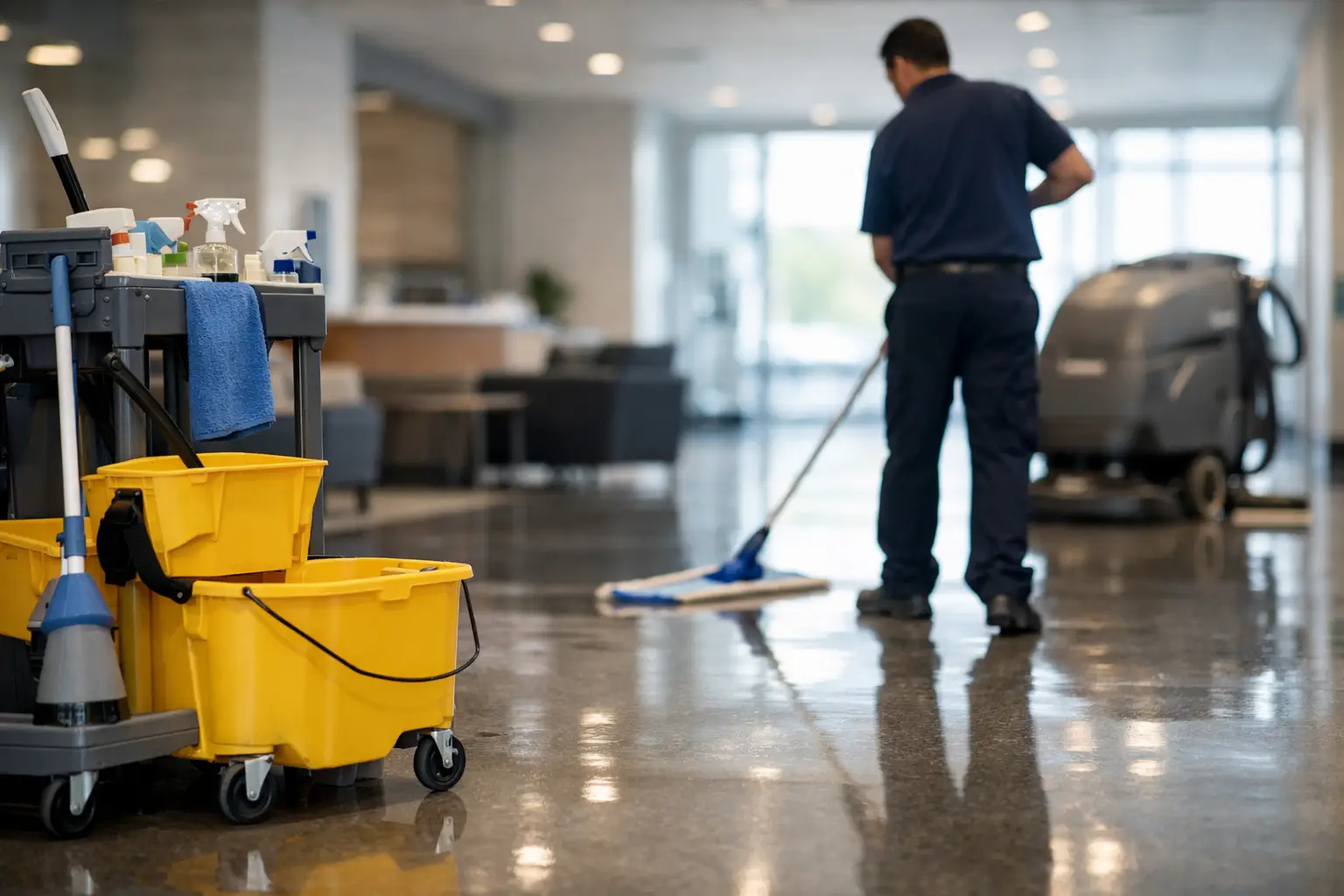
A scuffed entryway, dull tile, or sticky breakroom floor can change how customers and employees view a business before anyone says a word. A commercial floor care program gives local businesses a practical way to keep floors clean, safe, and presentable without waiting until wear becomes a costly restoration project.
For offices, medical spaces, retail locations, churches, property managers, and other customer-facing businesses around Catawba County, floor care is not a one-time task. It is a planned service approach based on the type of flooring, the amount of foot traffic, the work happening in the space, and the standard you want visitors to see.
What a Commercial Floor Care Program Includes
A good program starts with the floor itself. Vinyl composition tile, luxury vinyl plank, ceramic tile, sealed concrete, hardwood, carpet, and rubber flooring all need different cleaning methods. Using the wrong chemical, pad, equipment setting, or amount of water can leave residue, shorten the life of the surface, or create a slip risk.
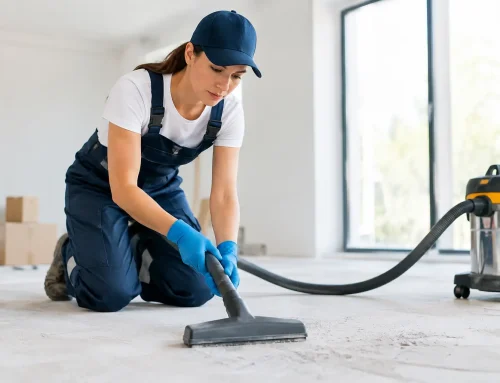
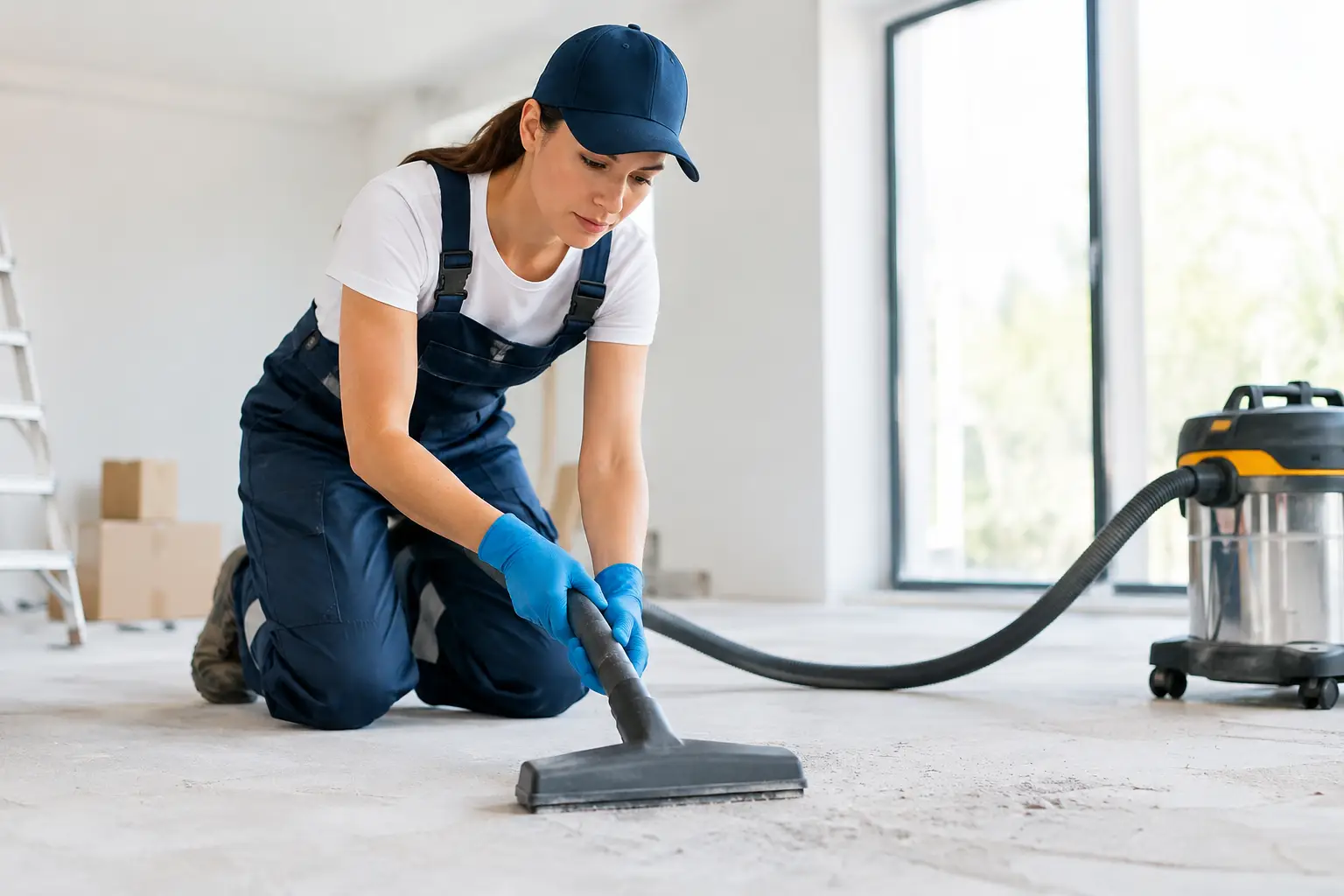
Most programs combine routine janitorial service with periodic deep cleaning and surface protection. Routine service handles daily or weekly needs such as vacuuming, sweeping, damp mopping, spot cleaning, and removing tracked-in soil near entrances. Periodic work addresses buildup that routine cleaning cannot fully remove, including tile and grout cleaning, carpet extraction, burnishing, machine scrubbing, strip-and-wax service, or floor revitalizing.
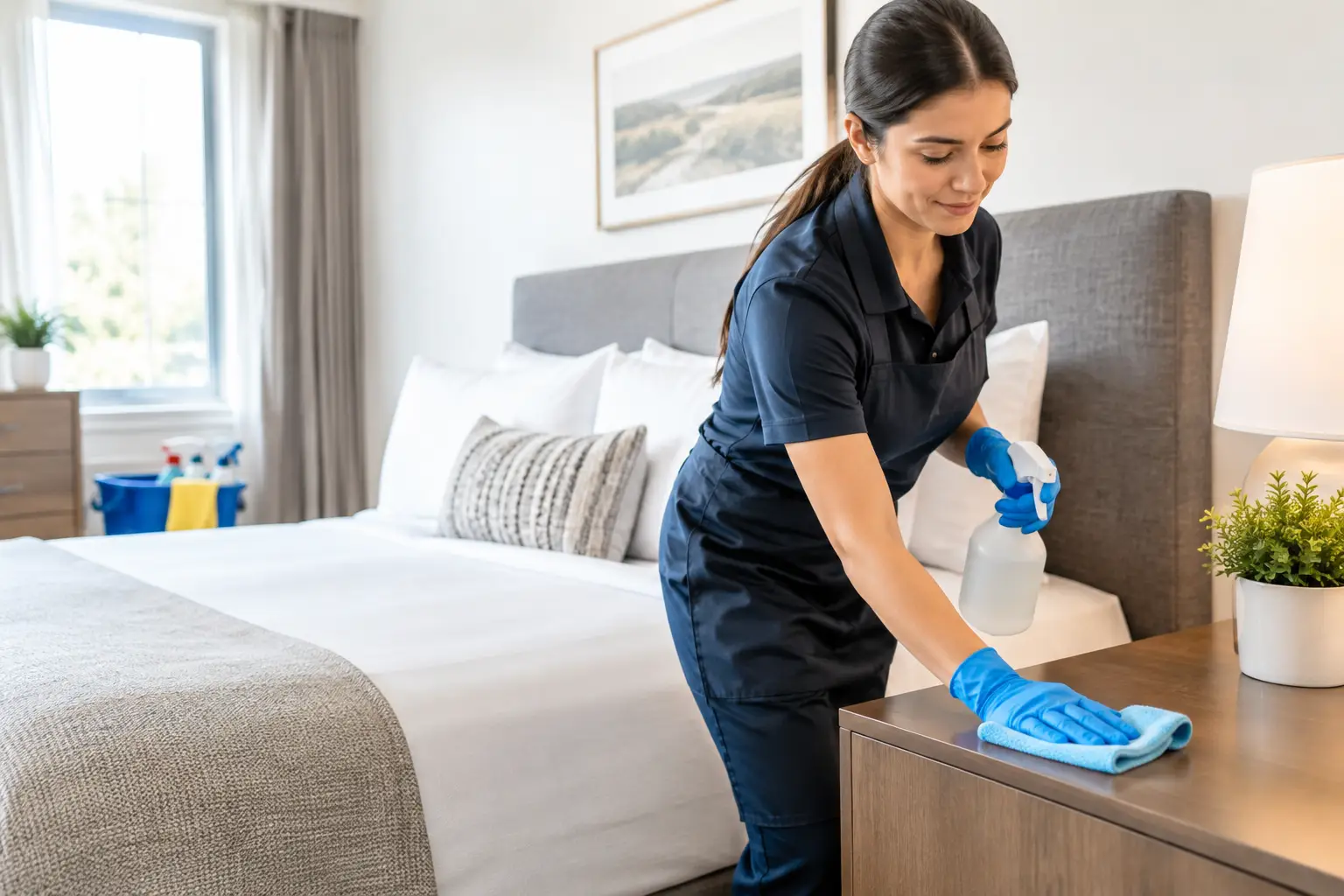
The right mix depends on the facility. A quiet professional office may need regular vacuuming and mopping with occasional carpet cleaning. A busy retail store or medical waiting room may need more frequent attention at entrances and corridors. A restaurant, salon, fitness space, or daycare may require a schedule that gives extra consideration to spills, moisture, sanitation, and safety.
Routine Cleaning Protects the Finish
Dirt is not just a cosmetic problem. Fine grit tracked in on shoes acts like sandpaper, especially on vinyl, wood-look flooring, and protective finishes. Regular removal helps prevent premature dullness, scratches, and worn traffic lanes.
Entry mats are part of this work. When mats are properly positioned and regularly cleaned, they capture debris before it spreads across the building. That simple step can reduce wear on the floor and make routine maintenance more effective.
Deep Cleaning Restores What Daily Service Cannot
Even well-maintained floors eventually collect residue and embedded soil. Mops can move contamination around when water is not changed often enough, and high-traffic areas can lose their clean appearance long before the rest of the room does.
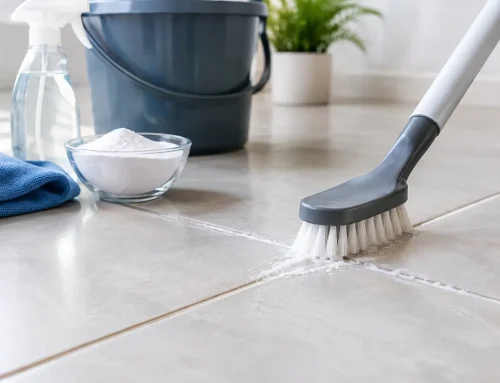
Machine scrubbing can lift buildup from hard surfaces. Carpet cleaning removes soil that vacuuming leaves behind. Tile and grout cleaning can improve the appearance of floors where grout lines have darkened over time. For waxed vinyl flooring, stripping away damaged finish and applying fresh coats of wax may be the best way to restore protection and shine.
These services should be scheduled before the floor looks severely neglected. Waiting too long can mean more labor, more downtime, and a greater chance that permanent staining or finish damage has already occurred.
How to Build a Commercial Floor Care Program That Fits
The most useful schedule is not necessarily the most frequent one. It is the one that matches the facility’s real conditions and prevents problems without paying for services the space does not need.
Start by walking through the property at different times of day. Look at entryways after rain, hallways after peak traffic, breakrooms after lunch, and restrooms near the end of a workday. Notice where soil accumulates, where floors become slippery, and where the finish looks worn first. Those details should guide the plan.
Consider four practical factors:
- Foot traffic: More visitors, employees, deliveries, and tenant movement usually mean more frequent cleaning and deeper attention to walkways.
- Floor material: Carpet, tile, grout, vinyl, concrete, and wood-look surfaces need different tools and maintenance intervals.
- Business operations: Food service, medical care, manufacturing, childcare, and retail each create their own cleaning and safety demands.
- Operating hours: Many businesses need floor service after closing, before opening, or during low-traffic periods to limit disruption.
A program may include nightly or several-times-weekly janitorial support, then add monthly, quarterly, or annual specialty service. For example, a retail location could schedule frequent entrance and aisle maintenance with periodic machine scrubbing. An office with carpeted workspaces may benefit from regular vacuuming, spot treatment, and scheduled extraction in high-use areas.
There is no single calendar that works for every building. A bright, polished finish may be a priority for a showroom, while a durable, low-slip surface may matter more in a warehouse corridor. The goal is to protect the floor and support the way your business operates.
Safety and Appearance Work Together
Floor care is often treated as a visual concern, but it also supports a safer workplace. Spills, greasy residue, loose debris, and overly wet mopping can all create hazards. Proper procedures matter as much as the products used.
A professional cleaning plan should account for wet-floor signage, appropriate drying time, clean mop heads or microfiber tools, and products suited to the surface. It should also include prompt response to seasonal conditions. North Carolina rain, pollen, mud, and leaves can quickly affect entrances and common areas, especially when customers and employees move in and out all day.
Floor finish is another consideration. A glossy floor can look impressive, but shine alone should not be the measure of quality. The finish must be appropriate for the surface and the setting. In high-traffic areas, a properly maintained finish helps protect the underlying floor while supporting a clean, professional appearance.
When Strip-and-Wax Service Makes Sense
Vinyl composition tile and some other resilient flooring often rely on wax or floor finish for protection. Over time, that finish can become scratched, yellowed, uneven, or difficult to clean. Recoating may be enough when the existing finish is still in reasonable condition. When buildup and damage are more extensive, a full strip-and-wax service may be necessary.
During this process, old finish is removed, the floor is cleaned and prepared, and new protective coats are applied. It is more involved than routine mopping, which is why it is commonly scheduled after hours or during a planned closure period.
Strip-and-wax is not the right answer for every hard floor. Luxury vinyl plank, natural stone, sealed concrete, and ceramic tile each need their own care approach. Before approving service, confirm that the recommended process is compatible with the flooring manufacturer’s guidance and the current condition of the surface.
Why Consistency Is More Cost-Effective Than Catch-Up Cleaning
Emergency cleaning often costs more because the problem has been allowed to spread. A carpet stain becomes set. Grout becomes deeply discolored. A worn floor finish exposes the surface below it. Then the business may have to schedule larger work on short notice or replace flooring earlier than expected.
Consistent service gives managers better control over both appearance and maintenance costs. It also makes cleaning easier to plan around staff, customers, tenants, and operating hours. Instead of reacting to complaints, the business has a clear service schedule and a cleaner baseline every day.
For multi-tenant properties and facilities with several floor types, clear communication is especially valuable. The service provider should know which areas receive priority, which rooms have restricted access, what times are available for specialty work, and who to contact if a spill or unexpected issue needs attention.
Choosing Dependable Floor Care Support
A floor care provider should be able to explain what they recommend and why. Be cautious of one-size-fits-all promises. The right plan should reflect the square footage, condition of the floors, traffic patterns, surface materials, and desired service frequency.
Ask how work will be scheduled, what preparation is needed, and whether the service can be coordinated around your business hours. It also helps to understand whether routine janitorial cleaning and specialty floor services can be arranged together. Having one organized point of contact can simplify ongoing changes as your facility, tenant needs, or busy seasons change.
CJ Cleaning Services can help businesses coordinate dependable commercial cleaning and specialty floor care with vetted independent cleaning professionals. The focus is straightforward: service that fits your space, your schedule, and the standard your customers expect.
Your floors do not need to wait until they look worn out to deserve attention. A thoughtful maintenance plan keeps the work manageable, protects the surfaces you have invested in, and helps every person who walks through the door see a business that is cared for.