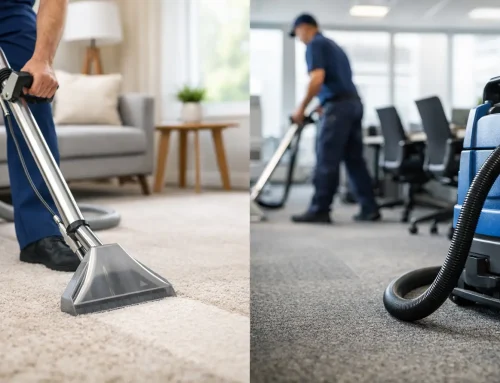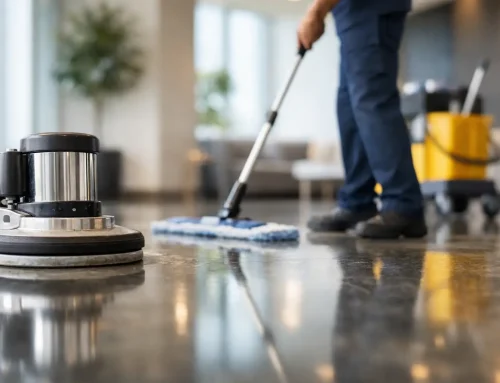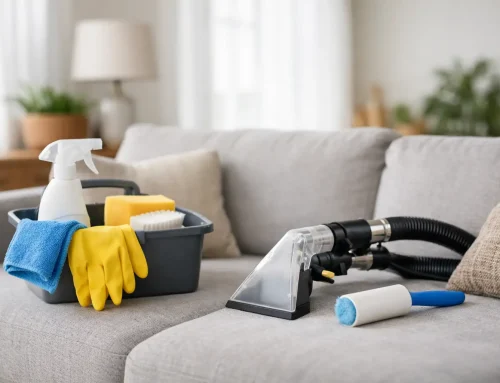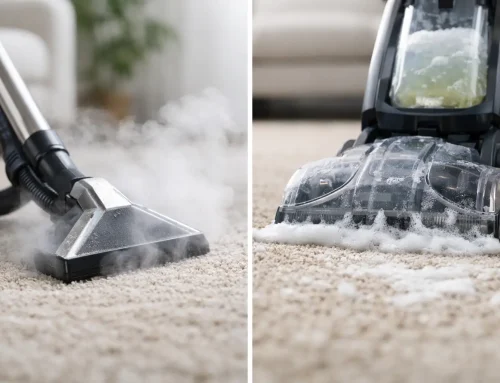
A carpet can look acceptable from the doorway while holding tracked-in soil, pet dander, food spills, and odors deep below the surface. That is why the question of carpet cleaning vs steam cleaning matters. The right choice is not always the one that makes the carpet look clean fastest. It is the method that fits the condition of the carpet, the type of soil involved, and how soon you need the room back in use.
For homeowners, renters, property managers, and local businesses, understanding the difference helps prevent wasted time, recurring stains, and over-wet carpets. A dependable cleaning plan also protects the appearance and useful life of your flooring.
Carpet Cleaning vs Steam Cleaning: The Key Difference
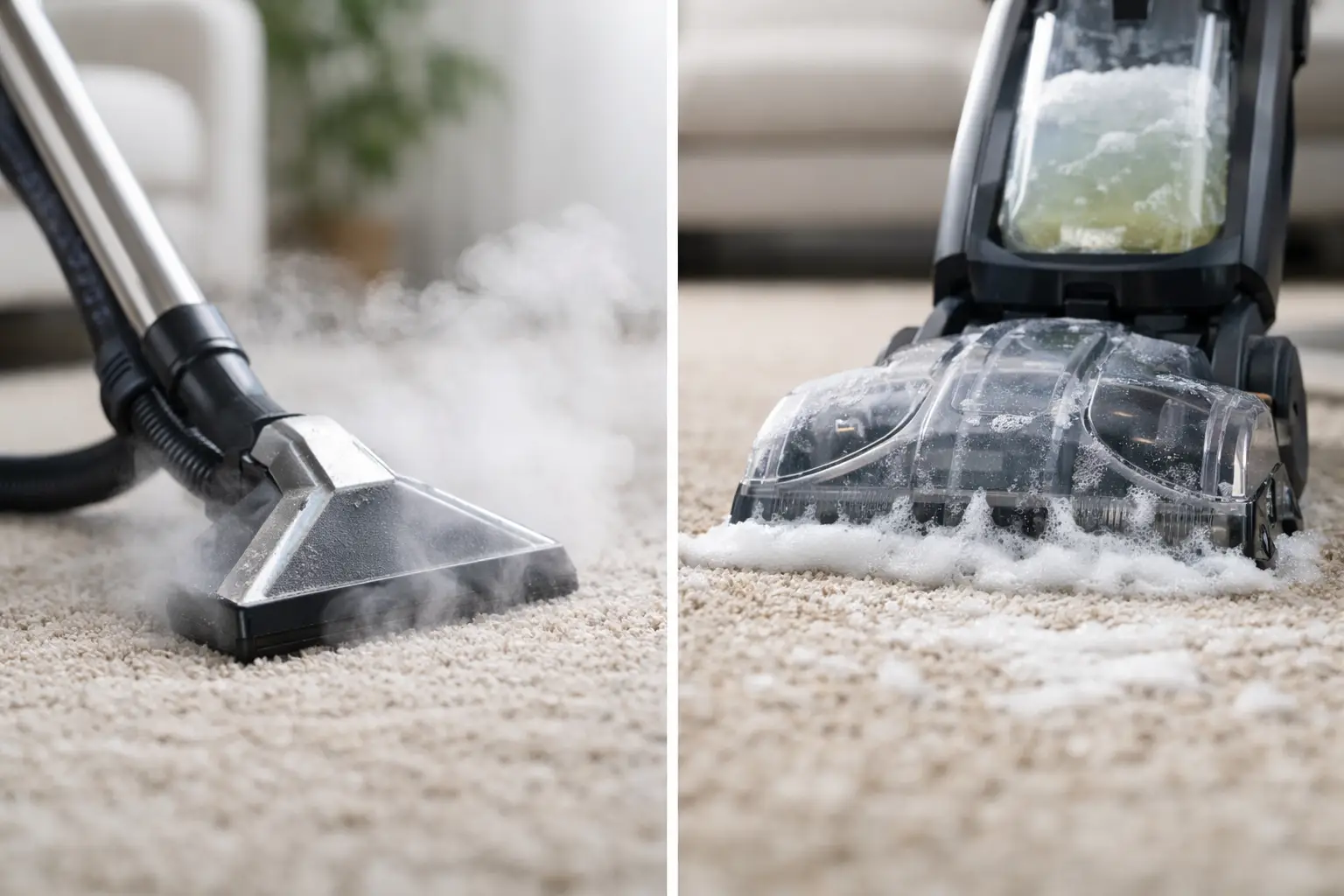
Carpet cleaning is the broad service category. It can include vacuuming, spot treatment, shampooing, low-moisture cleaning, bonnet cleaning, dry compound cleaning, and hot water extraction. Steam cleaning is often used as a general term for deep carpet cleaning with heated water and extraction equipment.
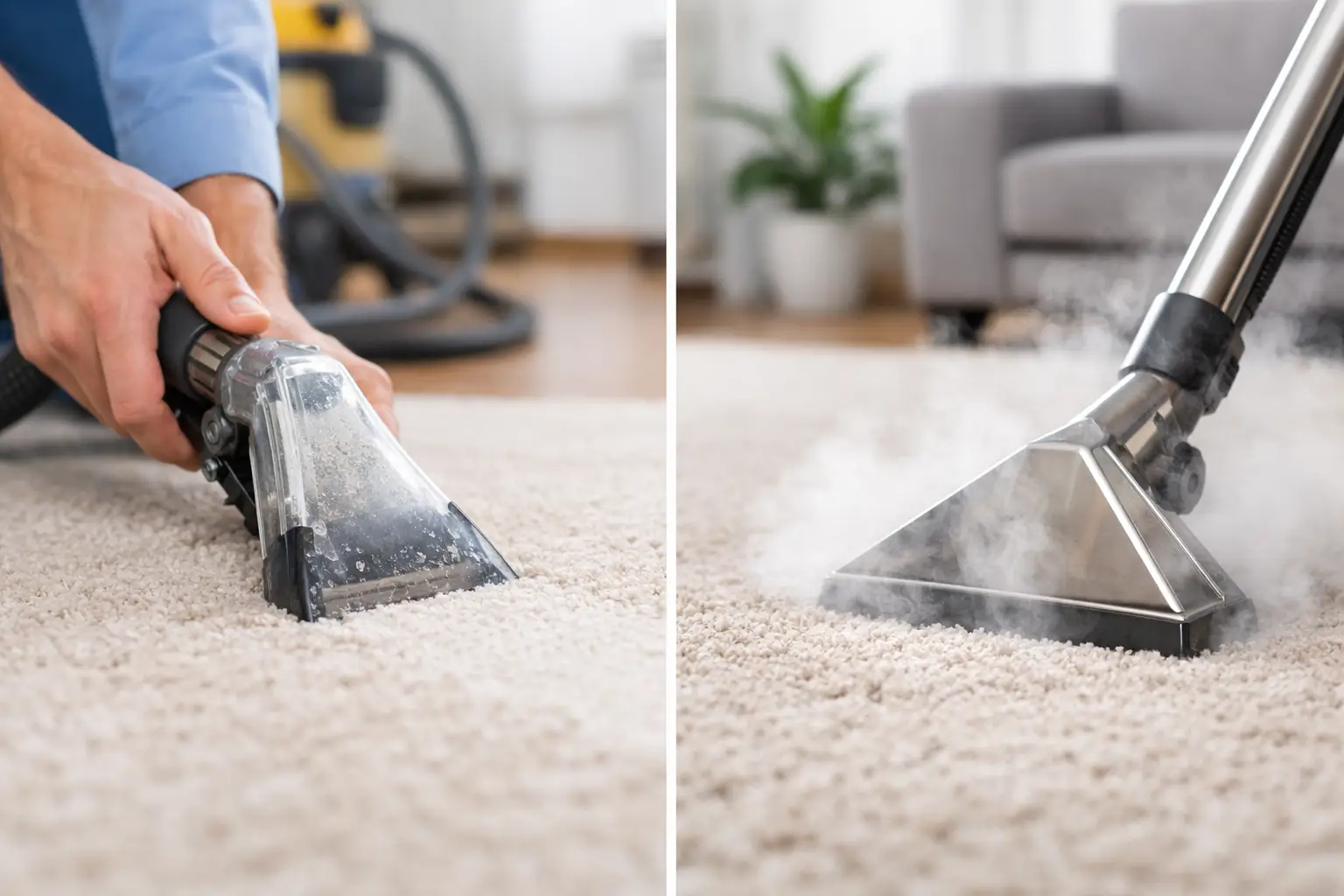
In professional settings, what many people call steam cleaning is usually hot water extraction. The machine sprays heated cleaning solution into the carpet fibers, loosens soil, and then extracts the water, cleaning product, and debris. The process may create visible vapor, but it does not rely on pure, dry steam alone.
That distinction matters because the equipment, drying time, and results can vary. Before booking a service, it is reasonable to ask which cleaning method will be used and what the expected drying time will be for your specific carpet.
When Deep Carpet Cleaning Is the Better Choice
Deep carpet cleaning is designed for soil that has worked down into the fibers and backing. It is often the better option after a busy season of family gatherings, during a move, following a renovation, or when a rental property needs to be reset for its next occupant.
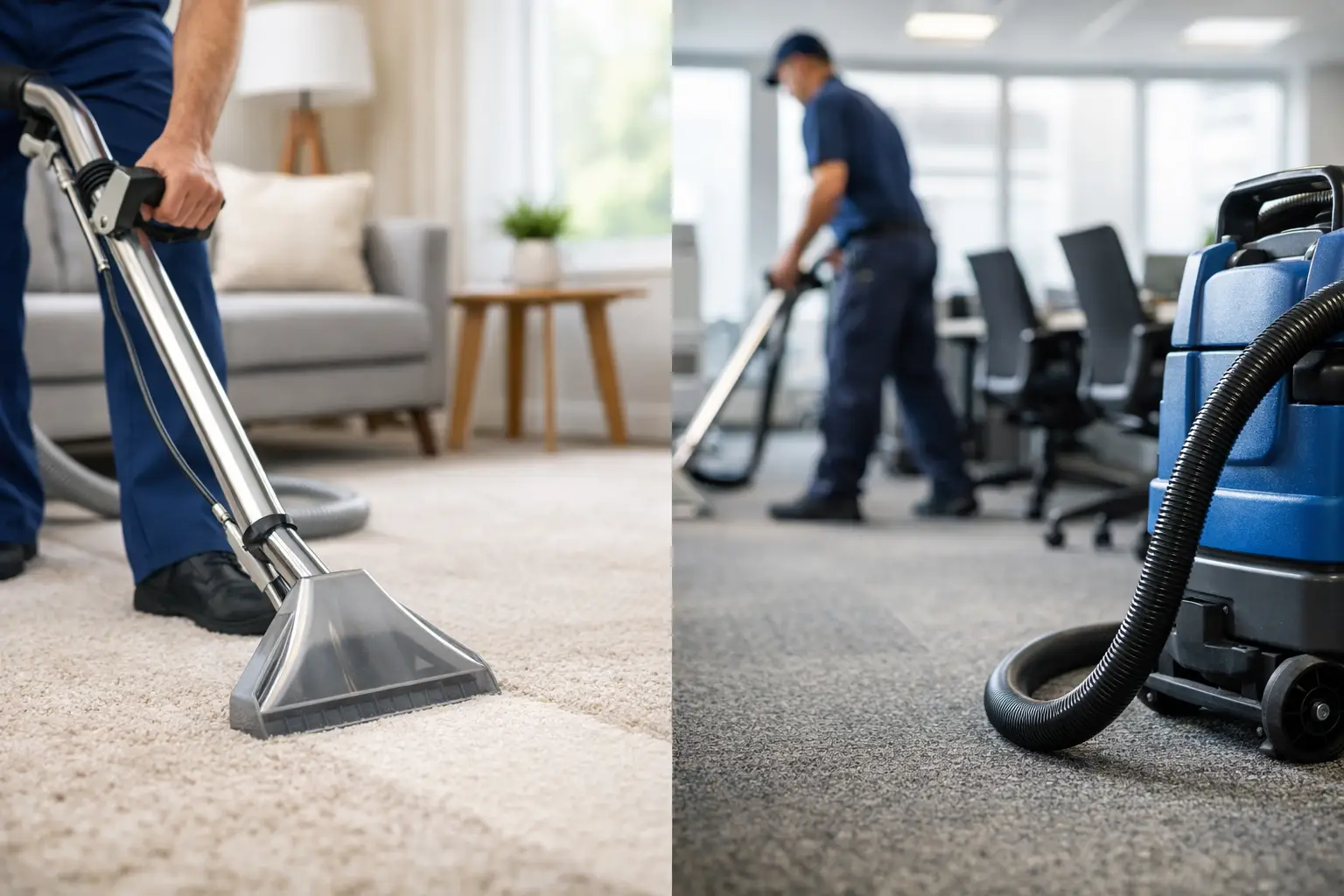
Hot water extraction is especially useful for high-traffic areas such as hallways, living rooms, office walkways, and entryways. These areas collect fine grit that can make carpet fibers look dull and wear down more quickly. A proper extraction service removes more than the surface dust a standard vacuum can reach.
This method is also a practical choice for many food spills, muddy footprints, and pet-related messes, particularly when treated promptly. Stains are not all the same, though. Red wine, ink, oil, bleach damage, old pet urine, and dye stains may require targeted treatment and may not lift completely. A professional should set clear expectations instead of promising that every stain will disappear.
For homes with allergy concerns, a thorough cleaning can help reduce the buildup of dust, pollen, and other particles in carpet. It is not a replacement for regular vacuuming or medical guidance, but it can be part of a healthier routine for a well-used home or workplace.
What to Expect From Hot Water Extraction
A professional service typically begins with an inspection of the carpet type, wear patterns, stains, and any areas of concern. The cleaner may pre-treat spots and high-traffic lanes before using extraction equipment. Furniture moving, if included, should be confirmed before the appointment so there are no surprises.
Drying time is the main trade-off. Depending on humidity, airflow, carpet thickness, and how heavily soiled the carpet was, it can take several hours for the carpet to dry fully. Opening windows when weather permits, running ceiling fans, and keeping air conditioning or heat circulating can help. Avoid placing heavy furniture back on damp carpet until it is dry.
When Low-Moisture Carpet Cleaning Makes Sense
Not every carpet needs a full extraction service. Low-moisture methods use less water and are often selected when quick drying is a priority. They can be useful in offices, retail areas, short-term rentals, and homes where rooms need to be used again soon after service.
Bonnet cleaning, encapsulation, and dry compound methods can improve the look of lightly to moderately soiled carpet and lift surface soil. In the right setting, they offer a practical maintenance solution between deeper cleanings. A commercial office, for example, may benefit from low-moisture maintenance because it minimizes disruption during business hours.
The trade-off is that low-moisture cleaning may not remove as much embedded soil as hot water extraction. If carpet is heavily stained, has strong odors, or has not been professionally cleaned in a long time, a deeper method is often the better investment.
Choosing the Right Method for Your Space
The best cleaning method depends on the carpet and how the space is used. A home with two dogs and active children has different needs than a vacant apartment being prepared for a move-in. A waiting room or office lobby needs presentable floors with minimal downtime, while a post-renovation home may need deeper removal of fine dust and tracked debris.
Consider the following before scheduling service:
- Soil level: Light surface dirt may respond well to low-moisture maintenance, while embedded grime calls for extraction.
- Stains and odors: Fresh spills are easier to treat. Persistent odor issues may require more than a standard cleaning.
- Drying window: If you need the room in use the same day, ask about low-moisture options and realistic dry times.
- Carpet type: Delicate fibers, older carpet, and certain warranties may require specific methods or products.
- Occupancy: Pets, children, guests, employees, and tenants all affect the most practical scheduling plan.
For property managers and short-term rental hosts, timing is often as important as cleaning power. Scheduling carpet service after checkout and allowing a proper drying window protects the guest experience. For homeowners, a cleaning appointment before a holiday, move, or major event can make preparation easier without adding another task to an already busy week.
Avoiding Common Carpet Cleaning Mistakes
The most common mistake is waiting until carpet looks severely soiled before arranging professional care. By then, soil has had more time to settle into the fibers, and high-traffic paths may be harder to restore. Regular vacuuming and prompt attention to spills make professional results more effective.
Another problem is using too much store-bought cleaner on a spot. Excess product can leave residue behind, which attracts more dirt and creates a stiff or sticky patch. Blot spills with a clean white towel rather than scrubbing aggressively. Scrubbing can push a spill deeper and damage the carpet texture.
Over-wetting is another concern. A properly performed extraction service should remove most of the moisture it applies. If carpet stays wet for an unusually long time, airflow is poor, or there is a strong musty odor, address the issue promptly. Moisture beneath the carpet should never be ignored.
Finally, do not assume carpet cleaning will fix every flooring problem. Worn fibers, sun fading, bleach spots, cigarette burns, and permanent dye damage are repair or replacement concerns, not routine cleaning issues. Honest guidance saves money and helps you plan the next step.
How Often Should Carpet Be Professionally Cleaned?
Most homes benefit from professional carpet cleaning about every 12 to 18 months. Households with pets, young children, allergies, or heavy foot traffic may need it more often. Rental homes may need cleaning between tenants, and commercial spaces often require a schedule based on traffic patterns rather than a single annual appointment.
A maintenance plan does more than keep carpet looking fresh. It helps remove abrasive dirt before it causes premature wear. It also makes it easier to keep a home, rental, or business ready for the people who use it every day.
When you are comparing methods, start with your actual needs instead of a label. Ask about the cleaning process, products, spot treatment, drying expectations, and what is included in the service. CJ Cleaning Services can help coordinate trusted cleaning support for homes and businesses throughout the area, so you can choose a practical option and get back to a space that feels clean, cared for, and ready to use.