

If your home looks picked up but still does not feel truly clean, that is usually where people start asking, what does deep cleaning include? A deep clean goes beyond surface-level tidying. It targets the buildup, grime, dust, and overlooked areas that routine cleaning often misses, especially in busy homes, rental properties, and workspaces that need a stronger reset.
For most households, standard cleaning keeps things under control. Counters get wiped, floors get vacuumed, trash gets taken out, and bathrooms stay usable. Deep cleaning is different because the goal is not just maintenance. The goal is to restore the space to a noticeably cleaner condition by focusing on detail work and neglected areas.
What does deep cleaning include in a home?
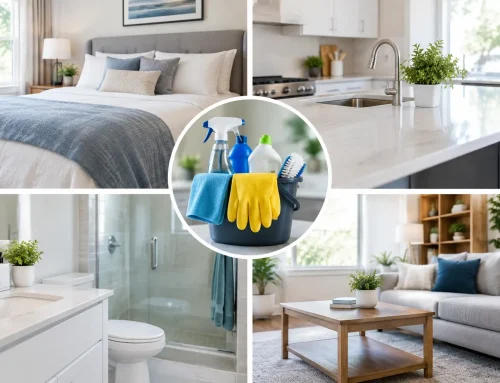
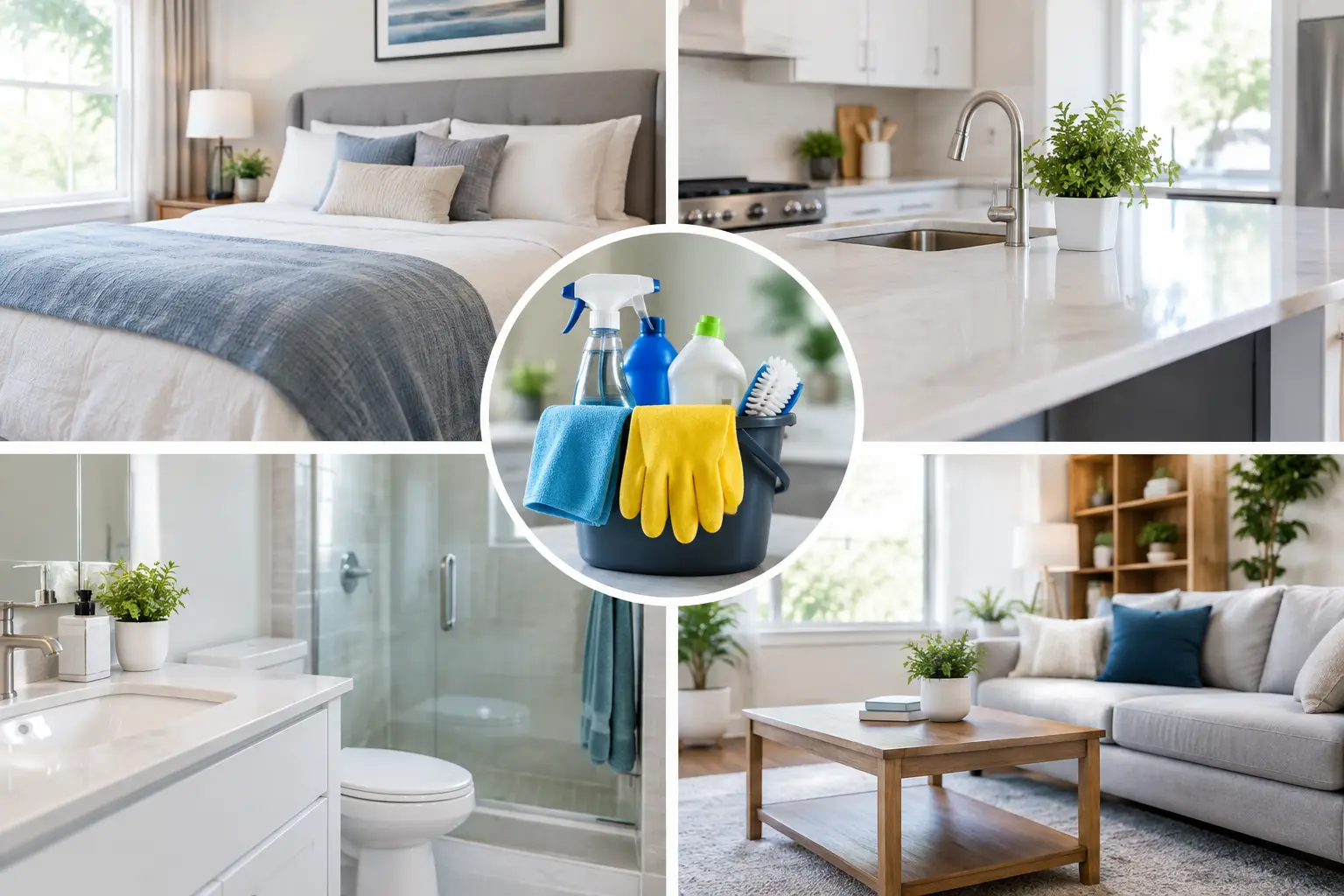
A true deep cleaning usually includes the main living areas, kitchens, bathrooms, bedrooms, and floors, but with more time and more detail than a recurring visit. Instead of wiping only what is visible at eye level, cleaners work into corners, edges, fixtures, and surfaces that collect grime over time.
This often means hand-wiping baseboards, dusting ceiling fans and vents, cleaning behind or under furniture when accessible, removing buildup from bathroom tile, and giving kitchen surfaces a more thorough scrub. Doors, door frames, light switches, blinds, window sills, and other high-touch or often-missed surfaces may also be addressed.
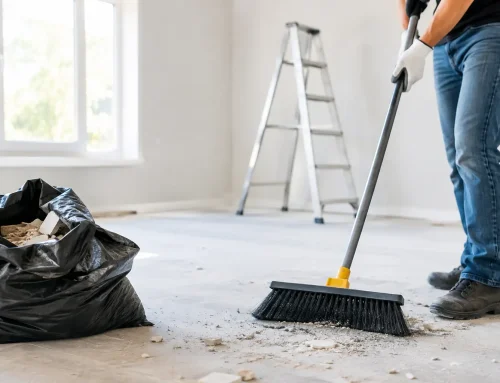
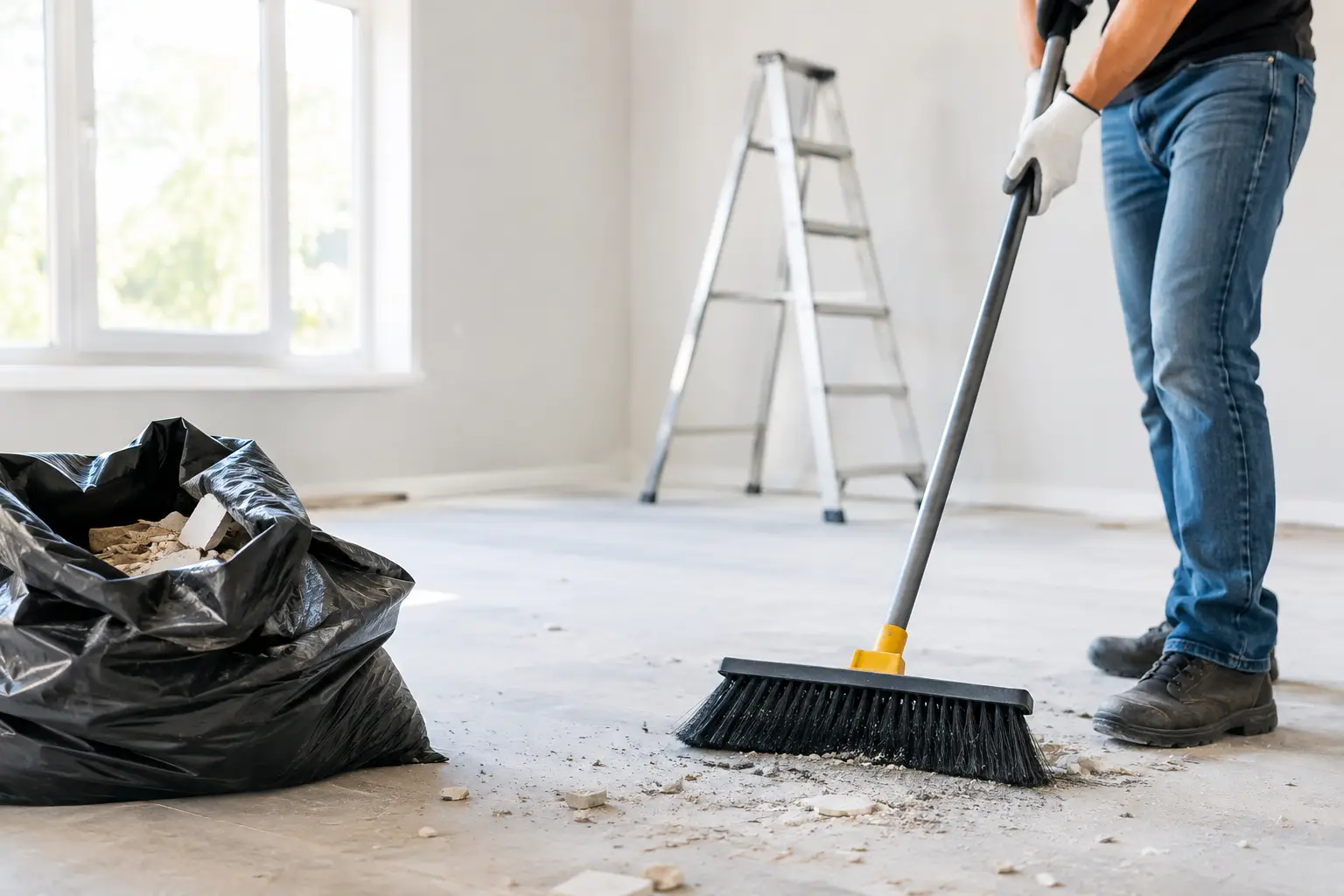
The exact scope depends on the condition of the property, how long it has been since the last professional cleaning, and whether the space is occupied, vacant, or being prepared for a move, guests, or a fresh start after renovation work.
Kitchen deep cleaning tasks
The kitchen is usually where deep cleaning makes the biggest visual difference. It is also one of the most labor-intensive rooms because grease, crumbs, fingerprints, and hidden debris build up fast.
A deep clean in the kitchen generally includes scrubbing countertops, backsplashes, sinks, and faucets. Cabinet fronts are wiped down to remove splatter and hand marks. Exterior surfaces of appliances are cleaned, including the refrigerator, microwave, dishwasher, and oven exterior. In many cases, the interior of the microwave is cleaned as well.
Depending on the service and the condition of the space, deep cleaning may also include spot-cleaning cabinet interiors, cleaning the stovetop in detail, degreasing around the range hood area, and removing buildup near handles, edges, and trim. Floors get more attention too, especially around the refrigerator, under the table, and along the baseboards where crumbs and dust collect.
One important trade-off is that not every deep cleaning automatically includes the inside of the oven or refrigerator. Those are often treated as add-on services because they require extra time and heavier scrubbing. If those areas matter to you, it is worth confirming them before booking.
Bathroom deep cleaning tasks
Bathrooms are another area where deep cleaning goes well beyond a quick wipe-down. The focus is usually on sanitizing and removing buildup that regular cleaning only slows down.
This commonly includes scrubbing tubs, showers, shower doors, sinks, toilets, countertops, mirrors, and fixtures. Soap scum, hard water spots, residue, and dust around the base of the toilet or behind fixtures are all part of the work. Tile and grout may receive more detailed attention, especially in corners and along edges where discoloration starts.
Light fixtures, exhaust fan covers, baseboards, and cabinet exteriors may also be wiped down. If the bathroom has visible mildew, staining, or long-term neglect, cleaners may improve it significantly, but some issues can require specialty products or extra service time. Deep cleaning helps a lot, but it is not the same as repair or restoration.
Bedrooms, living areas, and common spaces
In bedrooms and main living spaces, deep cleaning usually focuses on dust removal and detailed surface work. These are the rooms where dirt is less dramatic than in kitchens and bathrooms, but the difference after a deep clean is often easy to feel.
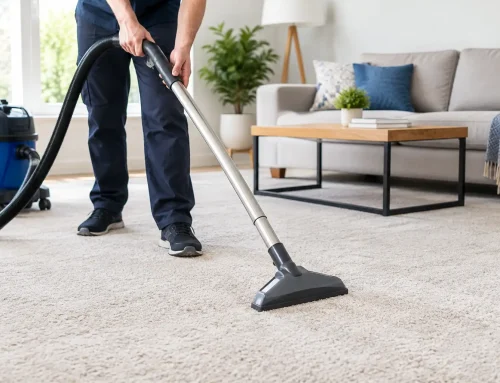
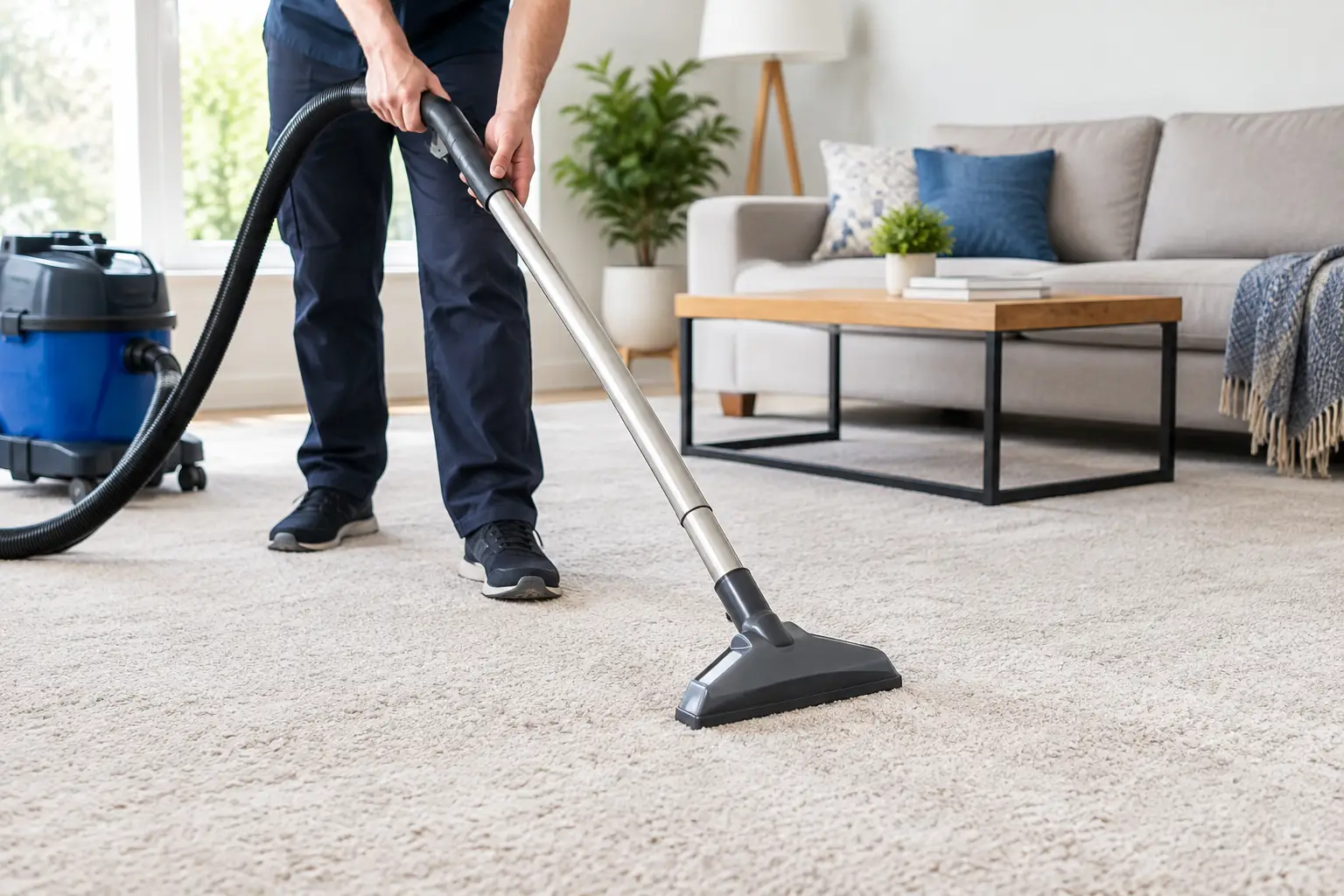
Furniture surfaces, shelves, décor, window sills, baseboards, blinds, ceiling fan blades, and accessible corners are dusted or wiped. Floors are vacuumed carefully, including edges and under furniture where reachable. Hard floors are swept and mopped with more attention to buildup along walls and transitions.
If upholstered furniture, carpets, or area rugs need stain removal or extraction, that usually falls under a specialty service rather than a standard deep clean. The same goes for heavy organization. A deep clean can make a cluttered room cleaner, but clutter itself limits how thoroughly any room can be cleaned.
What deep cleaning usually includes that standard cleaning does not
The simplest way to understand deep cleaning is to compare it to maintenance cleaning. Standard service helps you stay clean. Deep cleaning helps you catch up.
With a recurring clean, the focus is often on keeping key areas presentable and sanitary. With a deep clean, more time goes into hand-detailing trim, removing buildup, cleaning neglected surfaces, and reaching spots that are skipped when time is tighter. That can include baseboards, blinds, door frames, vents, light switch plates, and detailed bathroom and kitchen scrubbing.
This is why many homes benefit from a deep clean before starting recurring service. Once the space is brought back to a strong baseline, regular visits are more efficient and easier to maintain.
When a deep cleaning makes the most sense
Deep cleaning is not only for homes that are visibly dirty. It also makes sense during transitions or after periods when cleaning has fallen behind.
For example, many homeowners schedule a deep clean before hosting family, after a busy season, or at the start of spring and fall. Renters often want one before moving in or after moving out. Property managers may book deep cleaning between tenants. Short-term rental hosts may need a more detailed reset after heavy guest traffic. Offices and commercial spaces can also benefit when routine janitorial work is no longer enough to keep the space looking sharp.
If you are noticing dull floors, dusty vents, grime around fixtures, or bathrooms and kitchens that still feel dirty after a normal cleaning, that is usually a sign that a deeper service is the right fit.
What does deep cleaning include for move-ins and move-outs?
Move-in and move-out cleaning overlaps with deep cleaning, but it is often even more detailed because the property is empty or nearly empty. Without furniture and daily use getting in the way, cleaners can reach more surfaces and cover the home more thoroughly.
This may include inside cabinets, drawers, closets, shelving, appliance exteriors, and more detailed floor cleaning throughout the space. Bathrooms and kitchens usually receive the most attention, since those areas influence first impressions the most. Empty homes also make it easier to spot wall marks, dust in corners, and debris left behind from packing or basic turnover.
Still, every company structures these services a little differently. Some include appliance interiors or inside windows, while others price those separately. Clear expectations matter.
How to know what is included before you book
Because deep cleaning can vary, the best approach is to ask for a room-by-room scope of work. That gives you a realistic picture of what will be done, what may cost extra, and how long the appointment may take.
It also helps to mention the actual condition of the property. If there is pet hair, heavy buildup, post-renovation dust, or rooms that have not been professionally cleaned in a long time, saying that upfront leads to a more accurate quote and smoother service day. A dependable company should be clear about what is included, what is optional, and whether the space needs a custom plan.
For clients in Catawba County and nearby communities, that kind of clarity matters. A provider like CJ Cleaning Services, LLC helps take the guesswork out of scheduling by matching customers with vetted professionals and making it easier to request service based on the real needs of the home or business.
Deep cleaning is best thought of as a reset, not just a routine visit with extra wiping. When the service is done well, your space does not only look better. It feels easier to maintain, easier to enjoy, and easier to hand off to the next stage, whether that means recurring service, a move, new guests, or simply a cleaner week ahead.