


Move-out day gets hectic fast. Boxes are stacked by the door, your to-do list keeps growing, and it only takes one missed cabinet, scuffed baseboard, or dirty appliance to turn a manageable job into a deposit dispute. The best move out cleaning checklist keeps you focused on what matters most so the property looks ready for the next tenant, buyer, or walkthrough.
A strong move-out clean is different from regular weekly cleaning. You are not just tidying up lived-in space. You are cleaning for inspection. That means paying attention to buildup, edges, inside surfaces, and details that are easy to ignore when you still live there. If you are renting, that can affect how much of your security deposit comes back. If you are selling, it can shape how buyers feel when they walk in. If you manage property, it affects how quickly the next occupant can move in.
What makes the best move out cleaning checklist work
The best checklist is organized by task order, not just by room. That saves time and prevents you from re-cleaning areas you already finished. In most homes, the smartest sequence is to remove belongings first, handle repairs and trash next, dust from top to bottom, then deep clean surfaces and floors last.
This is also where expectations matter. A studio apartment and a four-bedroom home should not be cleaned the same way. Carpet, pets, kids, smokers, and how long you lived in the space all change the level of work involved. A basic wipe-down might be enough in one home, while another needs deep attention in the kitchen, bathrooms, and high-touch areas.
Start with the empty-home tasks
Before you scrub anything, make sure the home is actually close to empty. Cleaning around furniture and leftover items slows everything down and makes it harder to spot what still needs work. Remove personal belongings, food, trash, and storage items first. Check closets, drawers, bathroom cabinets, utility shelves, and the garage if the property has one.
Once the space is cleared, walk room to room and look for nails, wall anchors, tape residue, and obvious scuffs. Cleaning cannot fix every issue, but handling minor touch-ups before the final clean gives the property a more finished appearance. If maintenance is needed, it is better to notice that early than after the home is already cleaned.
Best move out cleaning checklist by room
Kitchen
The kitchen is usually the room that gets judged hardest. Even if the rest of the home looks decent, a greasy stove or crumbs in drawers can make the whole property feel neglected.
Start high. Dust ceiling corners, light fixtures, vents, and the tops of cabinets. Then move down to cabinet fronts, handles, backsplash, and counters. Wipe shelves and drawer interiors, especially if they held food or cookware. Pay extra attention to sticky residue and crumbs.
Appliances deserve more than a quick pass. Clean inside and outside of the microwave, wipe the refrigerator shelves and drawers, and remove any spills or stains. If the refrigerator is staying, leave it empty and wiped dry. The oven should be cleaned inside if buildup is visible, and the stovetop needs detail work around burners, knobs, and drip areas. Finish by sanitizing the sink and polishing the faucet.
Bathrooms
Bathrooms are another make-or-break area because soap scum, water spots, and hair show up quickly during inspections. Dust vents and light fixtures first, then clean mirrors, countertops, sinks, and fixtures.
Showers and tubs need thorough attention, not just a rinse. Scrub tile, grout lines, shower doors, and the tub surround. Toilets should be cleaned inside and out, including around the base. Wipe cabinet fronts and clean inside drawers or vanities if they are empty. If there is mildew or heavy staining, standard cleaning may not be enough, so plan extra time.
Bedrooms and living areas
These spaces can look simple at first, but they often collect dust along trim, window sills, and corners. Start with ceiling fans, vents, light fixtures, and blinds. Dust shelves, baseboards, door frames, and interior doors. Wipe down switches and handles since those are common touchpoints during move-out inspections.
Closets should be empty, vacuumed, and wiped if shelves are dusty. Windows can be cleaned on the inside if fingerprints or grime are visible. The main goal is to make each room feel neutral, fresh, and move-in ready rather than just emptied out.
Laundry room, entryways, and hallways
These areas get overlooked because they are transitional spaces, but they are part of the final impression. Wipe machines if they are staying, remove lint and debris, and clean utility sinks if the home has one. Entry doors, trim, and floors often show the heaviest traffic, so inspect them closely.
Floors throughout the home
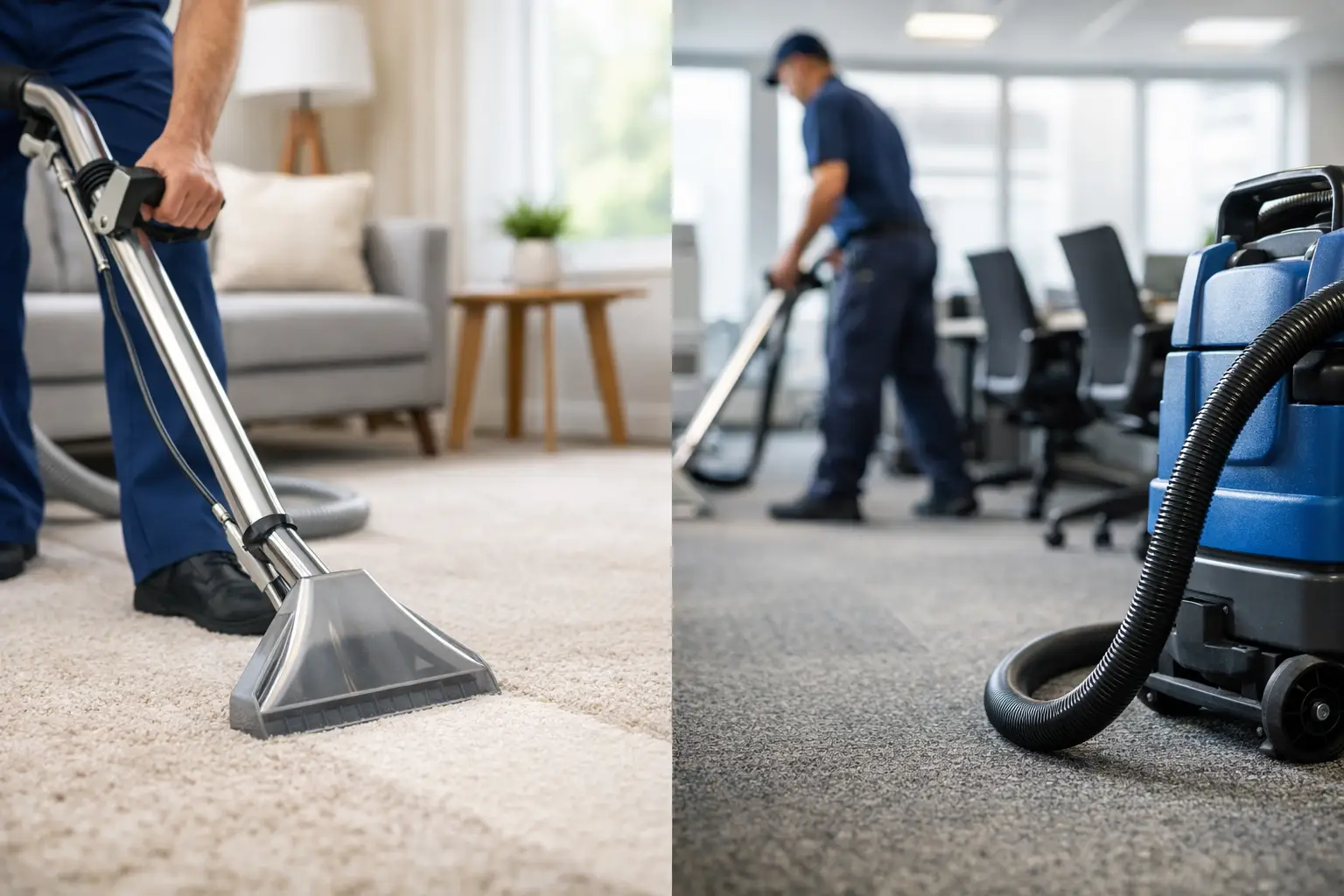
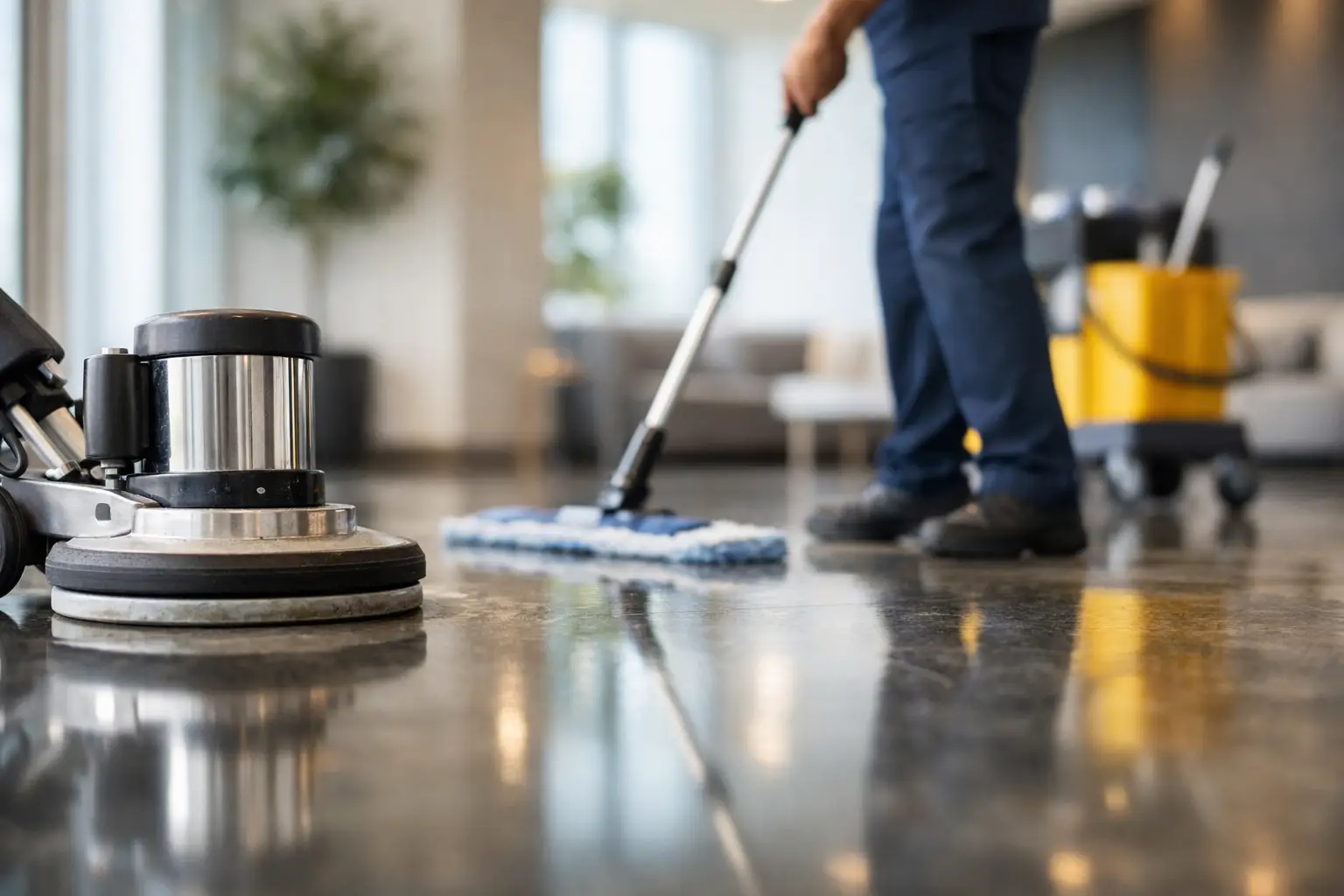
Floors should be the last major step. Vacuum carpets slowly enough to lift debris rather than just mark lines into the pile. Hard floors should be swept and mopped with the right product for the surface. Pay attention to corners, behind doors, and edges near baseboards.
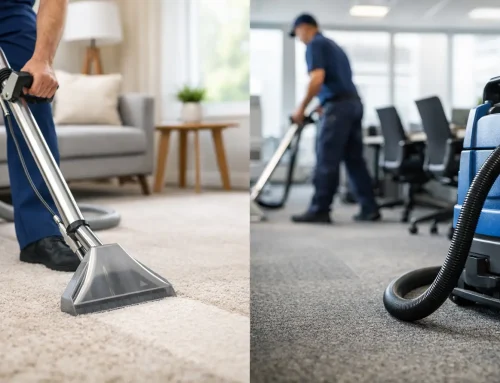
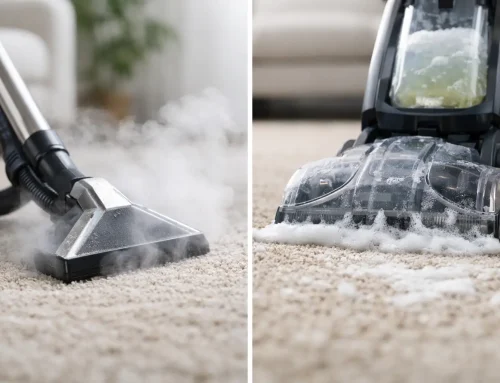
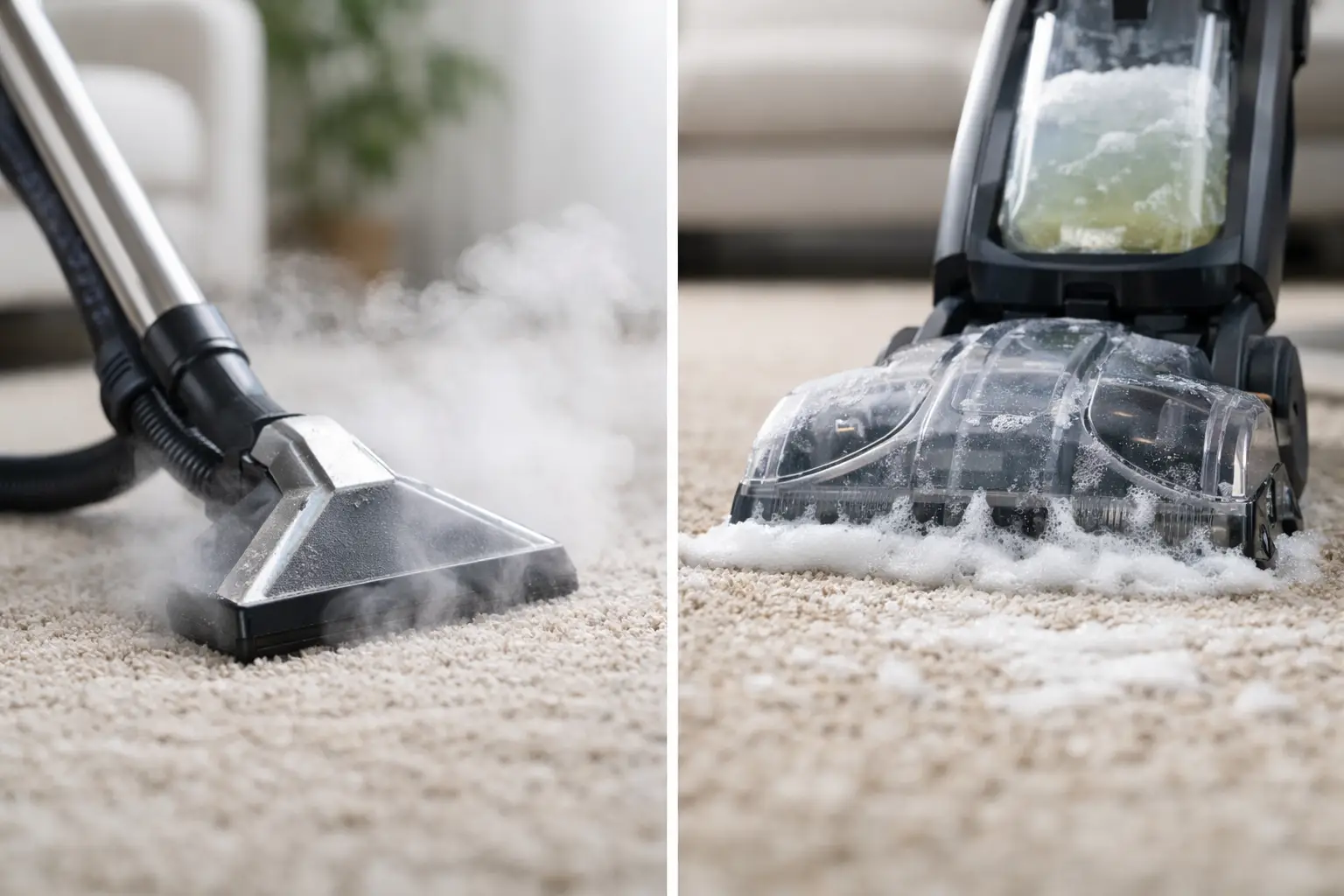
If carpet has stains, pet odor, or obvious wear patterns, regular vacuuming may not be enough. In those cases, carpet cleaning can make a major difference in appearance and odor control. The same goes for tile and grout that still looks dingy after basic mopping.
Don’t miss these commonly skipped details
Most move-out cleaning problems come from details people assume do not matter. They do matter, especially to landlords, property managers, and buyers doing a final walkthrough.
Check light switches, outlet covers, door handles, cabinet handles, baseboards, blinds, window tracks, vents, and the tops of doors. Look inside appliances, not just at the outside. Open every cabinet and drawer. Stand in the doorway of each room and scan from top to bottom. That quick visual check catches a lot.
Trash removal is another final step people leave too late. Bags, boxes, and loose debris left behind can cancel out an otherwise solid cleaning job. Make sure everything is removed before the last walkthrough.
When to clean it yourself and when to bring in help
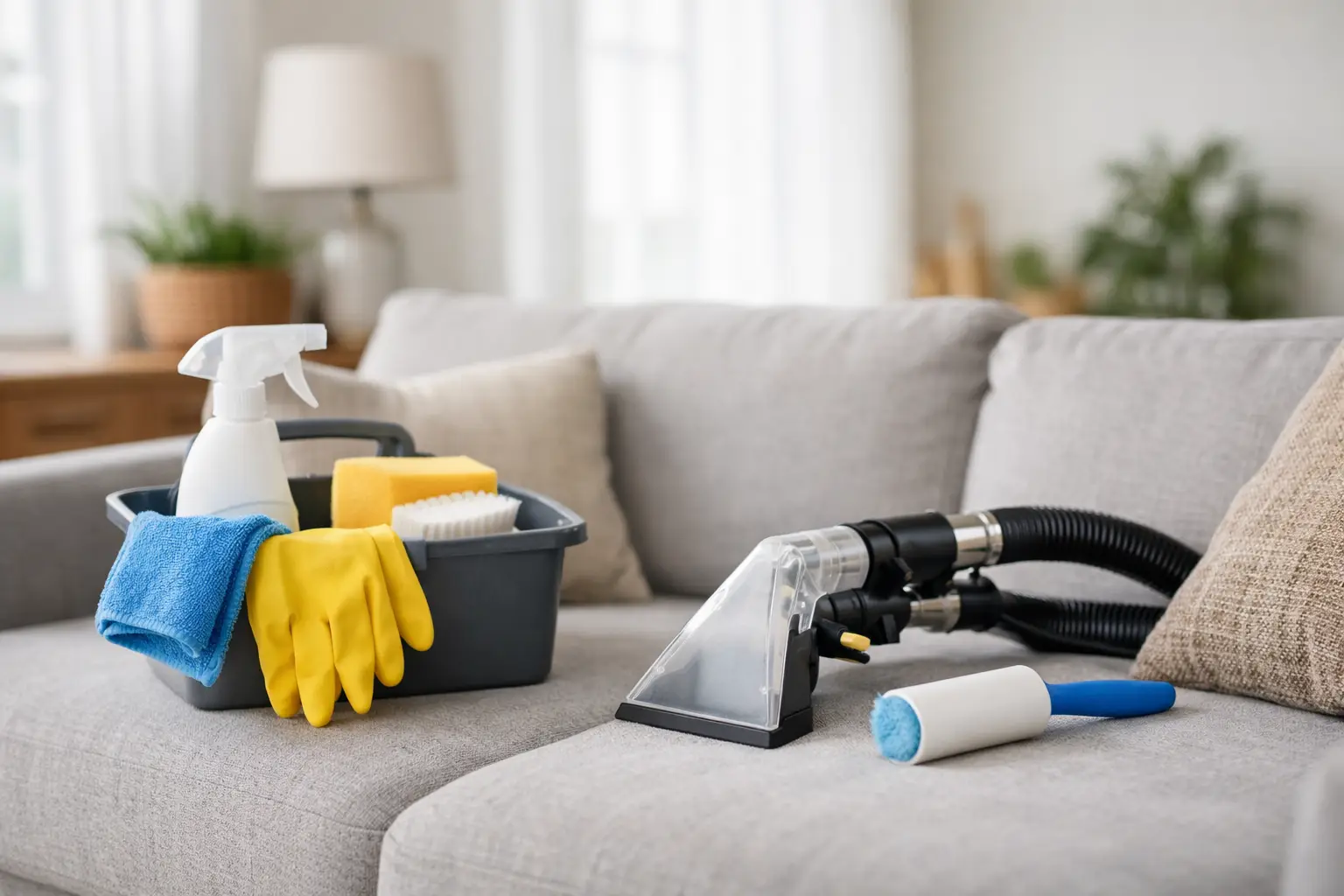
There are times when a DIY move-out clean makes sense. If the home is small, lightly used, and already in good shape, you may be able to handle it yourself with enough time and the right supplies. That works best when you can spread the work over a day or two instead of trying to do everything after the moving truck leaves.
But there is a trade-off. Move-out cleaning is time-consuming, physically demanding, and easy to underestimate. If you are balancing work, family, travel, utility shutoffs, key return, or a closing date, the cleaning often gets rushed. That is usually when details are missed.
Professional help is especially useful when the property is large, appliances need deep cleaning, bathrooms have buildup, or the timeline is tight. It also helps when a rental needs to meet clear turnover standards. For busy households and property owners in Catawba County and nearby communities, having vetted cleaning professionals handle the final clean can remove a lot of last-minute stress.
A simple timeline for move-out cleaning
If possible, plan the cleaning after most items are out but before your final turnover appointment. That gives you open access to floors, cabinets, and appliances. If painters, movers, or maintenance workers still need to come through, schedule cleaning after they finish. Otherwise, dust and footprints come right back.
The day before, confirm utilities are still on if you need lighting, hot water, or vacuum access. Gather supplies, empty the refrigerator, and remove all remaining trash. On cleaning day, work top to bottom and back to front so you finish near the exit instead of walking through cleaned rooms.
What a move-out clean should accomplish
A good move-out clean should make the property feel cared for. It should not smell stale, look dusty, or show signs that the previous occupant rushed out. Clean counters, sanitized bathrooms, empty cabinets, wiped appliances, and finished floors all signal that the space is ready for what comes next.
That matters whether you are a renter trying to protect your deposit, a homeowner preparing for a sale, or a property manager trying to shorten vacancy time. The cleaner the space, the fewer questions it raises.
If you use the best move out cleaning checklist as a room-by-room system instead of a random set of chores, the job becomes much more manageable. And if your schedule is packed or the property needs deeper attention, getting dependable help can be the smartest final step. A clean exit makes the next transition easier for everyone.